Texas garden field guide
How to Start a Fall Vegetable Garden in Texas
Fall gardening often begins while the garden still feels like summer. The useful question is not simply which crops like cool weather, but how to establish them in warm soil early enough to make a harvest before cold weather slows growth.
Plan backward, locally
Find the first-frost average and extension planting window for your county or growing region. Count back from frost using the variety’s days to maturity, allowing extra time as shorter days slow growth. Greens and roots differ in cold tolerance; a date calculator is a planning aid, not a guarantee that every crop will finish.
Texas A&M’s fall guide groups frost-tolerant crops such as broccoli and carrots separately from frost-susceptible crops such as beans and tomatoes. That grouping makes protection and bed turnover easier. It also shows why a single first-frost deadline cannot be applied identically to every crop. Choose a locally suitable variety and use the regional table for the planting method you actually intend to use.
Clear and prepare the bed
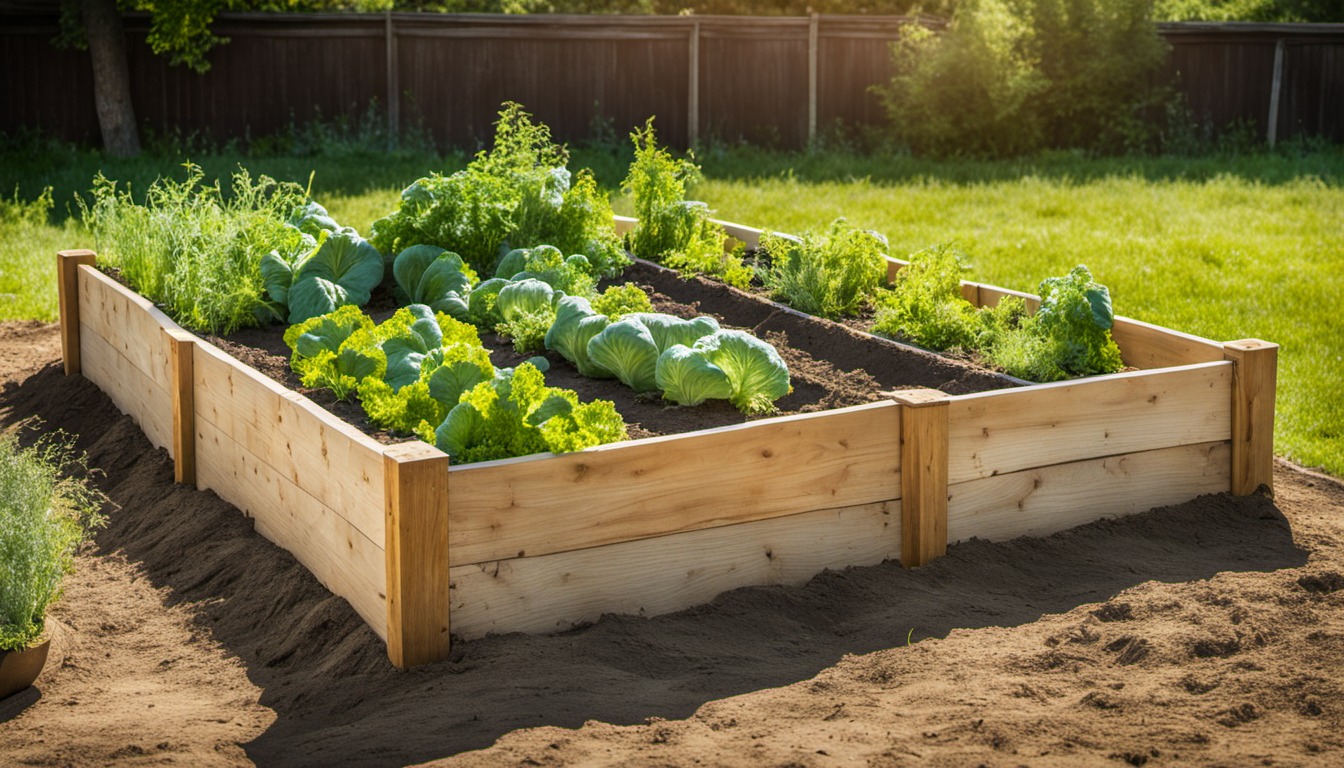
Remove spent spring plants and weeds. Avoid working sticky, wet soil, which can compact into hard clods. Add finished compost when needed, and take a soil test before applying nutrients blindly. The fall guide recommends well-rotted organic matter when amending close to planting.
Get seedlings through the heat
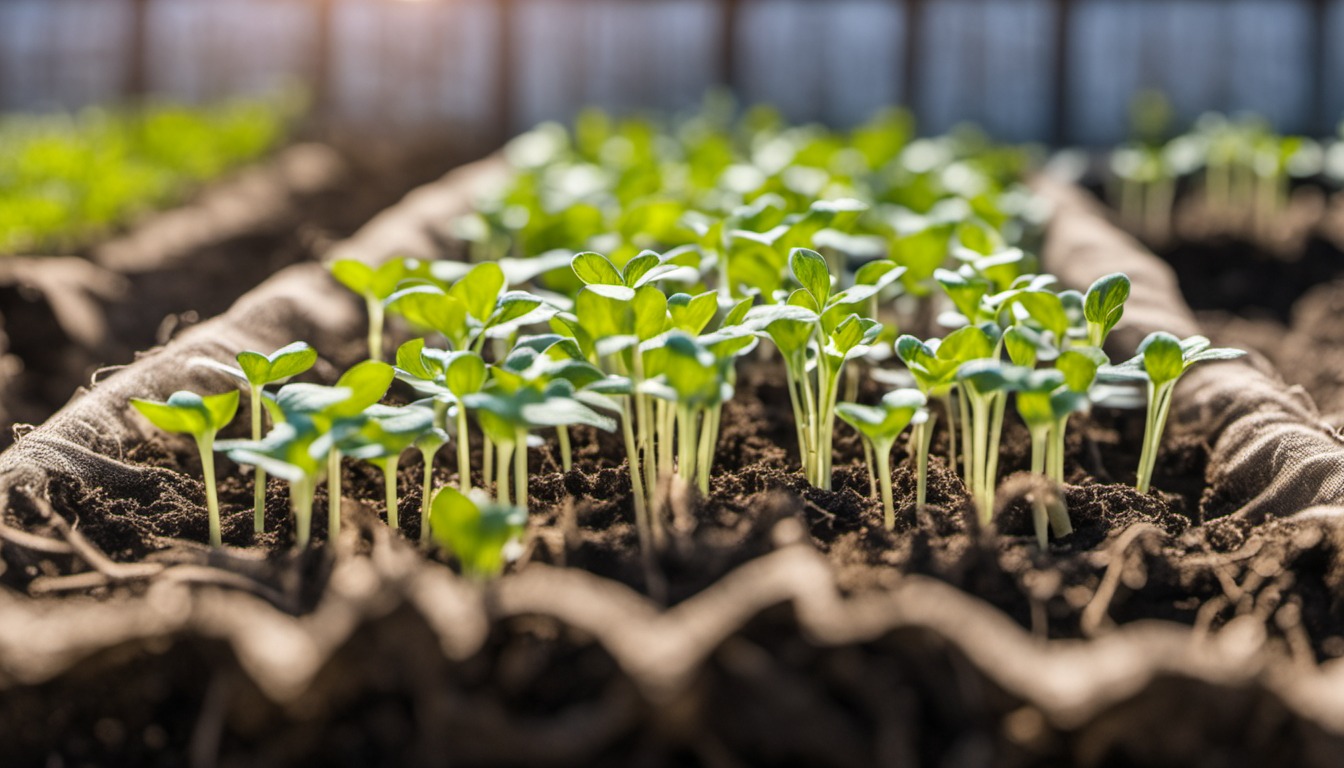
Keep the seed zone consistently moist without saturating it. Transplants have a small root system at first, so check them frequently during hot weather; temporary shade can help them establish, but remove or adjust it when conditions improve. Check the soil beneath the surface rather than watering on the clock alone.
Watch the forecast
Thin seedlings to their packet spacing, scout leaves and undersides regularly, and harvest tender greens as they become useful. Have lightweight row cover and supports ready for a forecast cold snap, but do not assume a cover can make a warm-season plant freeze-proof. Ventilate protective covers when heat builds underneath.
See how Texas regions differ
Texas A&M’s fall chart shows why a statewide date is misleading: its example dates for bush snap beans are July 15 in Region I and September 1 in Region III. Those are chart dates for those regions, not a prescription for every garden; identify your region and compare the current county guidance. The same chart lists tomatoes and peppers much earlier than many fall greens, reflecting their need to grow and fruit before colder weather. Check whether the chart calls for seed or transplants.
Make a transition plan for one bed
A fall bed need not become available all at once. If a spring tomato still produces, start a few fall transplants in another space and prepare the bed when it opens, provided the regional window still fits. Sketch mature plant spacing and access before buying a tray of starts. Install supports and drip tubing while the area is open. Where a previous crop showed disease or heavy pest pressure, clean tools and keep suspect plant material out of an ordinary home compost pile.
Troubleshoot a difficult start
If a seed row has not emerged, compare the date with the packet’s expected germination period and inspect the surface gently. A dry crust, seed washed out by hard watering, excessive depth and saturated soil call for different corrections. Mark a second sowing separately, and check that enough of the local season remains. For a wilted transplant, feel both the original root ball and the surrounding bed before watering: one can be dry while the other is moist.