Texas garden field guide
Grow Lettuce in a Texas Fall or Spring Garden
Lettuce is a quick, useful crop when the season is cool enough. In Texas, finding a suitable planting window and protecting seedlings during a warm start can matter more than filling an entire bed at once.
Choose a harvest style
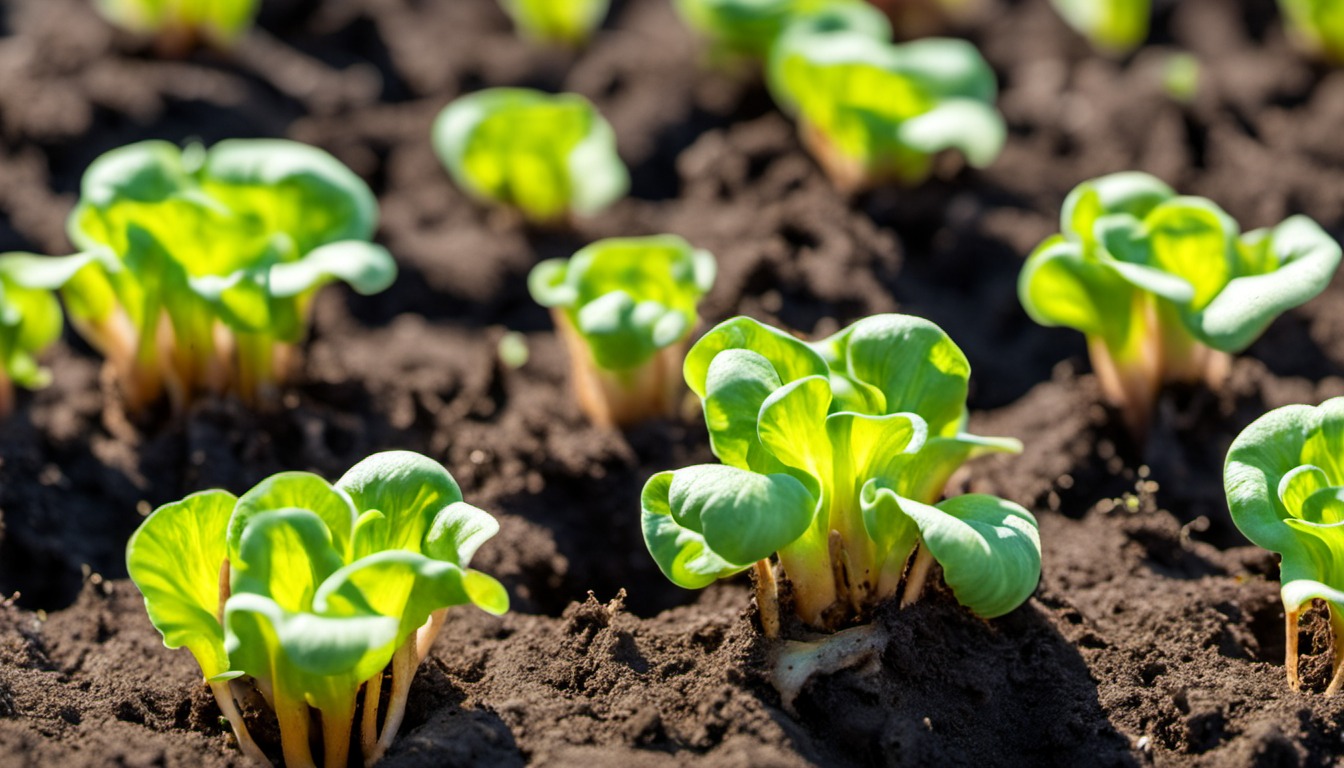
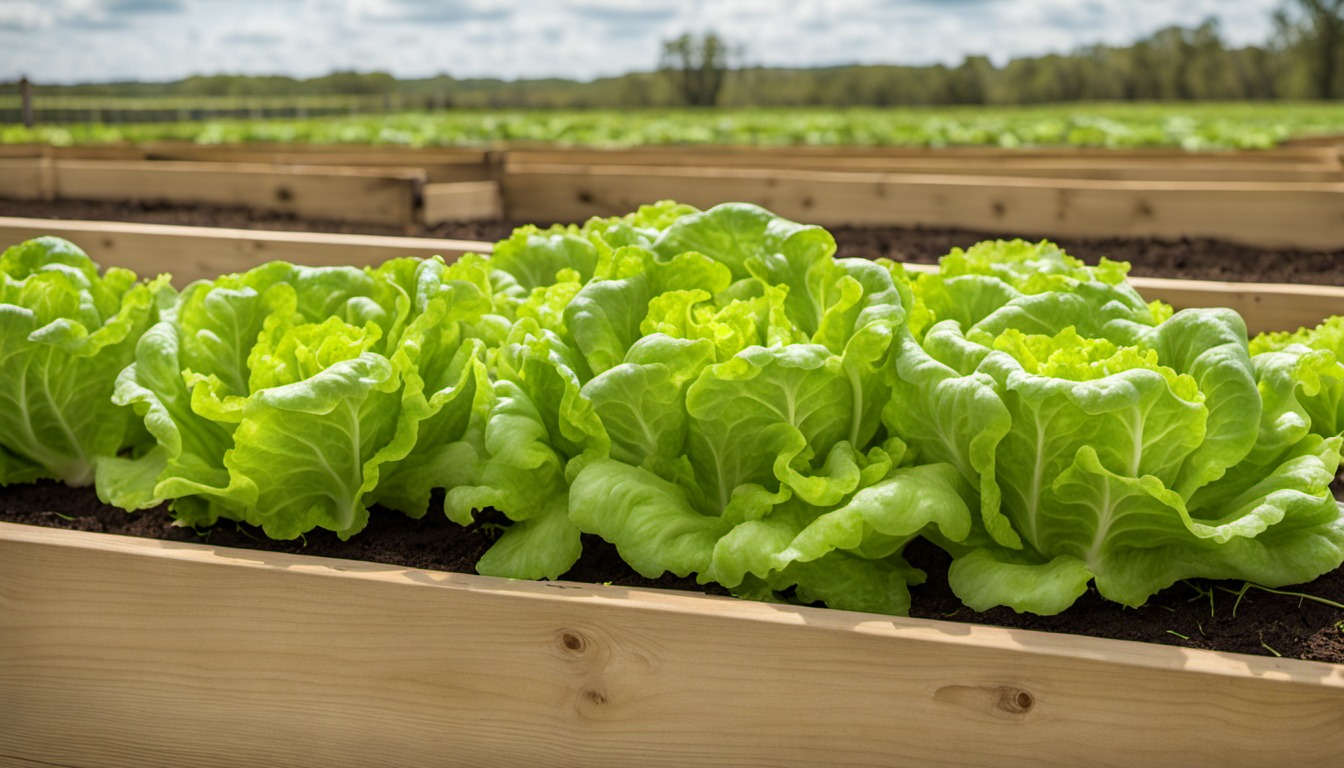
The Texas fall guide lists loose-leaf, butterhead and romaine examples. Loose-leaf plants can provide small repeated pickings, while a head type occupies its space until a whole-plant harvest. Choose a quantity your household can use and check the local planting window for each small batch. Texas A&M also lists lettuce among crops that tolerate partial shade; observe the actual light and reserve the brightest area for crops that require more sun.
Establish seedlings in the season
Sow at the packet depth and keep the seed zone from drying while seedlings emerge. A late-summer fall sowing may need especially close attention and temporary shade, while a spring row may face a late cold front. Do not let a mulch layer bury tiny seedlings. Thin to the mature spacing once plants can be handled, and keep weeds small so their roots do not disturb the lettuce later. Label each sowing so a slow batch can be compared with its own date.
Recognize a change in growth
When lettuce sends up a flower stalk, it is bolting and leaf quality can change. Harvest usable leaves if they still suit you, then use the space for a crop that fits the coming weather. Record the variety, sowing date and conditions rather than assuming every part of Texas has the same season length. A second sowing is worthwhile only if the regional window still supports germination and harvest.
Use light where it helps
The Texas home guide lists lettuce among crops that tolerate partial shade. Observe actual direct light throughout the day, and reserve the sunniest bed for crops that need brighter exposure. Temporary shade during a hot fall start is a separate choice from planting permanently in deep shade. Watch growth and seed-zone moisture, and adjust the next planting based on the result.
Space the household harvest
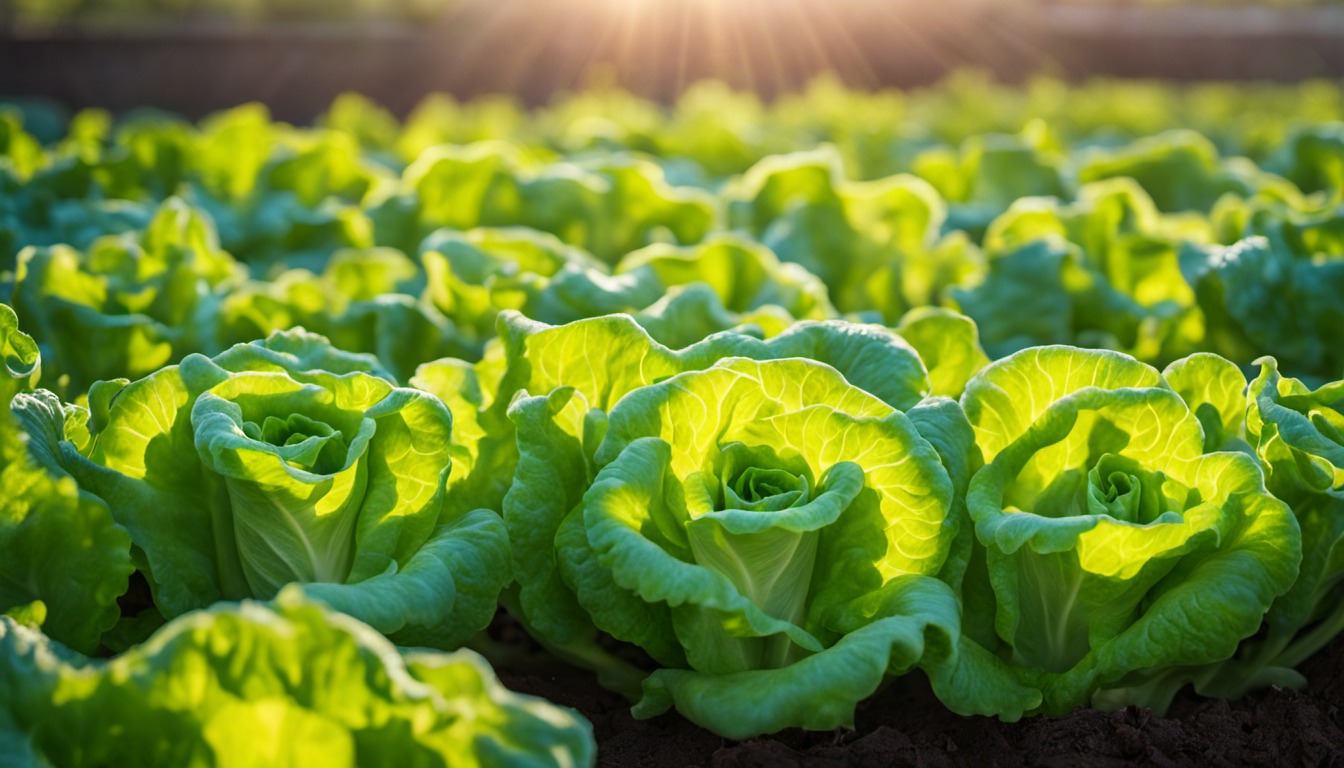
A short loose-leaf row allows outer-leaf harvests, while a head type may need more space and time before the whole plant is cut. Plan quantities you can use and label batches. If heat arrives and a flower stalk forms, note the variety and date; next season, compare a different locally appropriate window. Do not keep sowing at a fixed interval after the suitable season has passed.
Start with the crop you can use
The fall guide lists examples of looseleaf, butterhead and romaine types. Choose one whose harvest style suits your kitchen: a few leaves at a time or whole heads. If the garden has both sun and partial shade, observe the hours in each place; lettuce tolerates some shade, but a crop still needs adequate light. Keep the packet and record actual harvest dates so a second sowing can be planned from your experience.