Texas garden field guide
A Texas Garden Calendar Built Around Your Weather
Texas does not have one planting date. A Panhandle garden, a Houston backyard and a Rio Grande Valley bed experience different winters and summers. Start with your local extension calendar, then use the actual weather and your seed packet to turn a broad window into a job you can do this week.
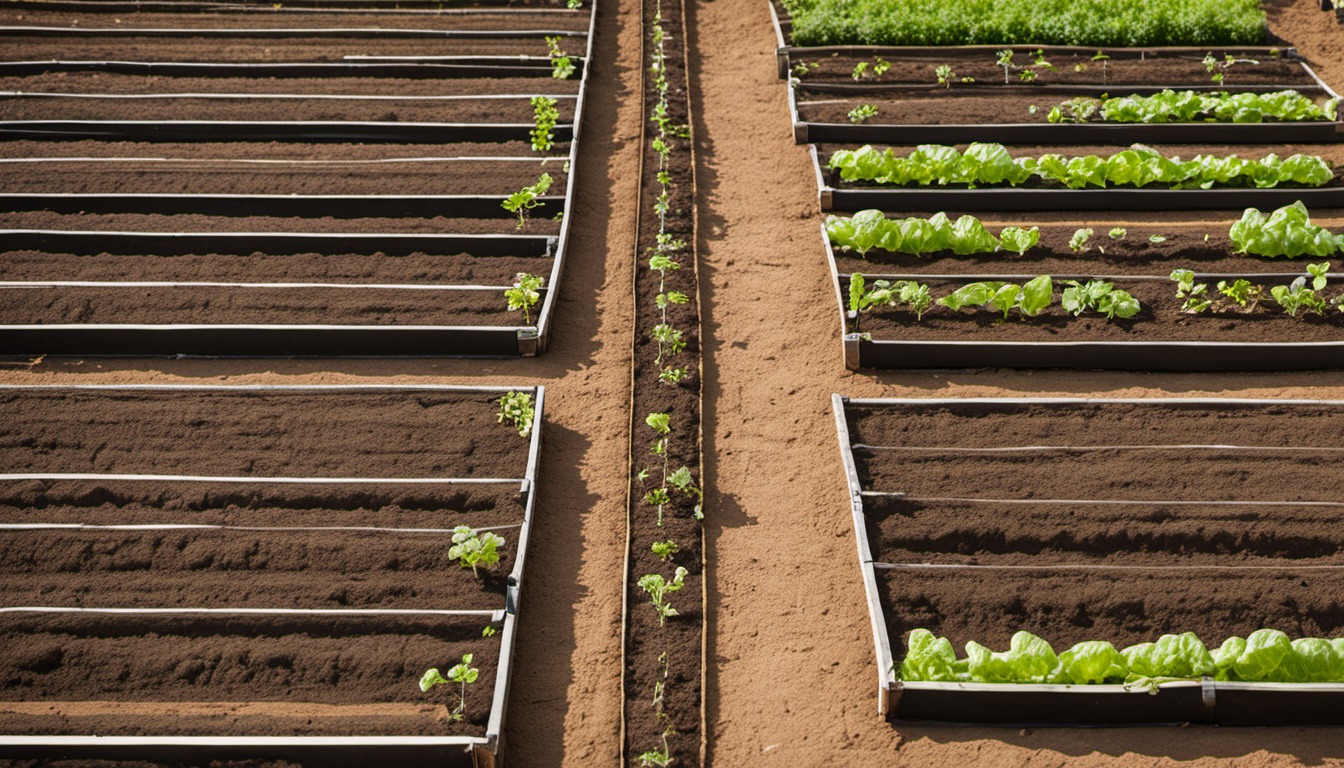
Start with two anchors
Write down the average last spring frost and first fall frost for a nearby location. These are averages, not promises: a late freeze can still arrive after the spring date. A hardiness zone describes average extreme winter cold, not the exact date to sow vegetables. Keep the two facts separate on your plan.
Even nearby stations can suggest different starting points. The January 2025 Travis County planting guide lists 10-year average last and first frost dates of February 20 and December 1 at Camp Mabry, compared with March 5 and November 13 at Austin-Bergstrom. Use the station that best represents your site, then check your county crop chart and the forecast; neither average is a guarantee.
Add the crop’s requirements
Cool-season greens can take conditions that damage tomatoes, while warm-season crops need both frost-free weather and suitable soil temperature. Compare the local crop window with the seed packet’s maturity estimate. For transplants, check whether the packet counts maturity from sowing or from transplanting; the distinction changes the calendar.
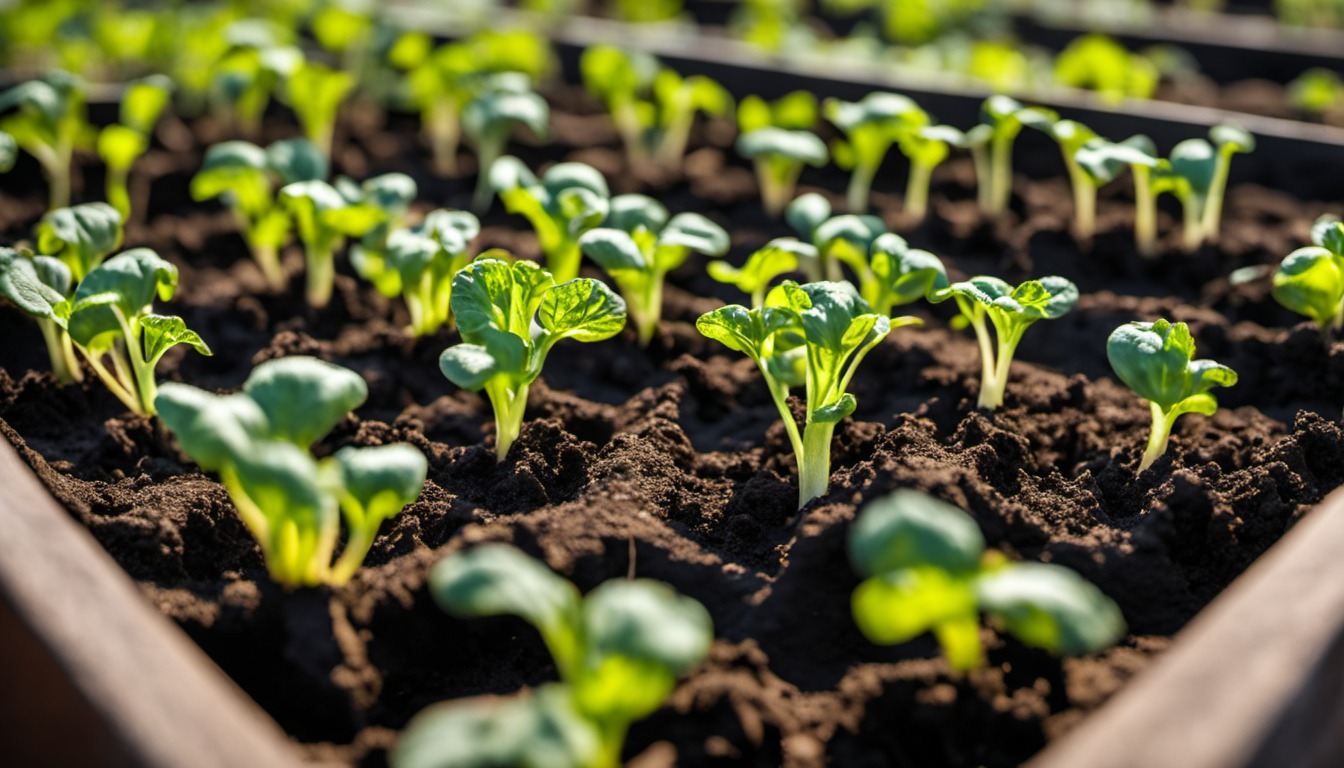
Make room for heat and fall
A date before frost is only one constraint. Summer heat can interrupt fruit set or make young transplants difficult to establish. For a fall crop, work backward from your local first-frost estimate and allow additional time for slower growth as days shorten. Start small, keep the bed watered during establishment, and adjust with your local forecast.
The fall guide separates crops by frost tolerance and expected time to harvest. That distinction is useful when two crops have similar maturity estimates but only one can withstand a light frost. Put plants with similar protection needs together, and check each crop against its local planting window. A countdown alone cannot tell you whether late-summer soil is too hot for a particular seed.
Example: plan a fall bean row
Suppose your local average first frost is November 15 and the packet estimates 60 days to maturity. Counting back 60 days gives September 16; allowing another two weeks for slower autumn growth suggests September 2. This is an arithmetic example, not a local recommendation. Compare the result with your county’s bean planting window, heat conditions and the seed packet before sowing. If the dates disagree, use local guidance and consider a quicker crop.
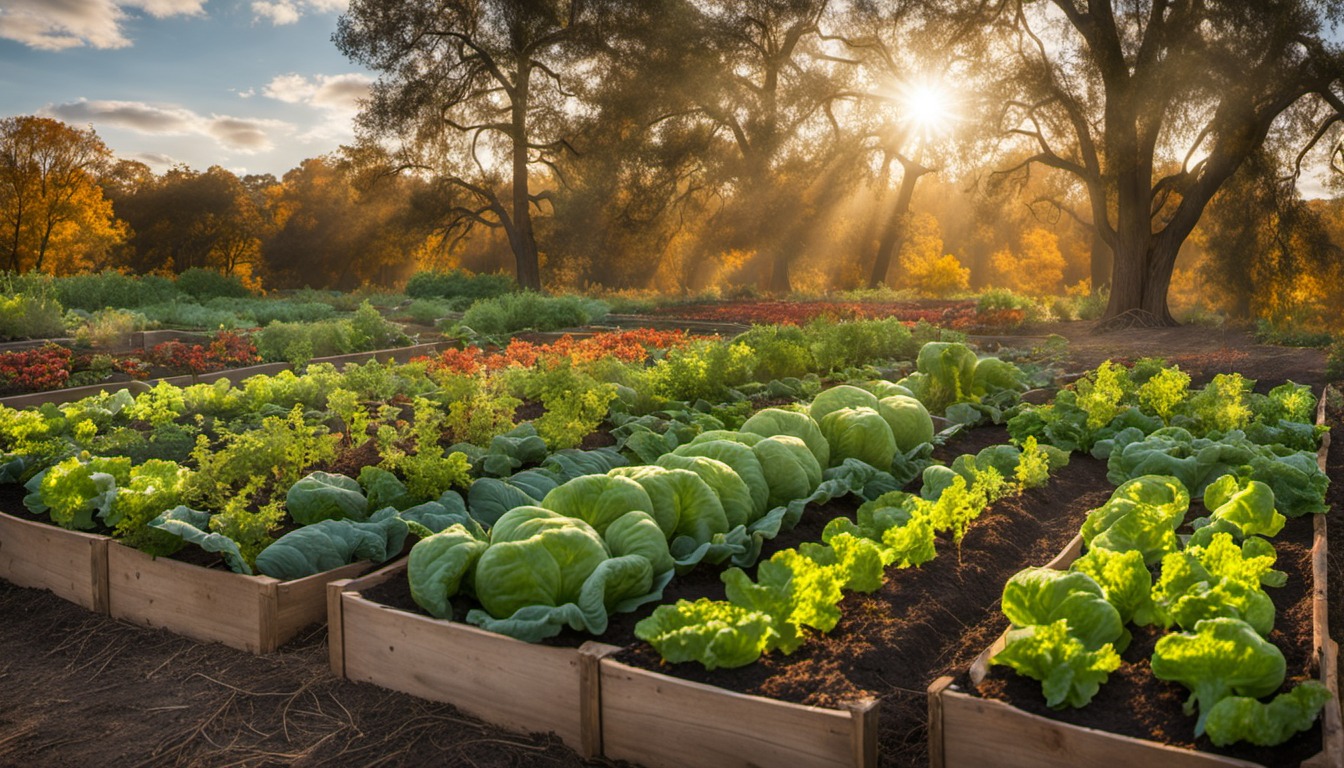
Build a plan around the space you actually have
Sketch each bed and note what is growing there now, when it is likely to finish, and how much time you need to clear and prepare it. A fall sowing date is useful only if the bed is free on that date. If a spring crop is still productive, plan a separate small bed or transplant tray instead of pulling it out prematurely. If space opens too late for the original choice, compare a quicker crop with the remaining local window. Leave paths and support structures on the sketch; mature plants occupy more room than seed packets.
Turn dates into a weekly list
List the work that must happen before planting: obtain seed, prepare the bed when soil is workable, set supports and begin hardening off indoor starts. Put inspection and harvest reminders on the calendar as well. When a forecast changes the plan, move the affected job and write down why. At the end of the season, compare actual emergence and harvest with the packet estimate. A cool spell or a particularly hot start may explain a mismatch better than changing every future date.
Keep the regional source attached
Write the name of the county or extension region next to each planting window. The site’s Region III crop windows remain Region III windows even when you choose a different frost station; selecting a Houston frost average does not turn them into Harris County crop dates. For a different county, start with its own extension chart. This small label prevents a plausible-looking calendar from mixing two different sources of advice.