Texas garden field guide
Growing Fall Broccoli in Texas
Broccoli needs a long enough cool-season window to form heads, but fall plants often have to be established while the weather is still hot. Work backward from your local cold season and care closely for young transplants.
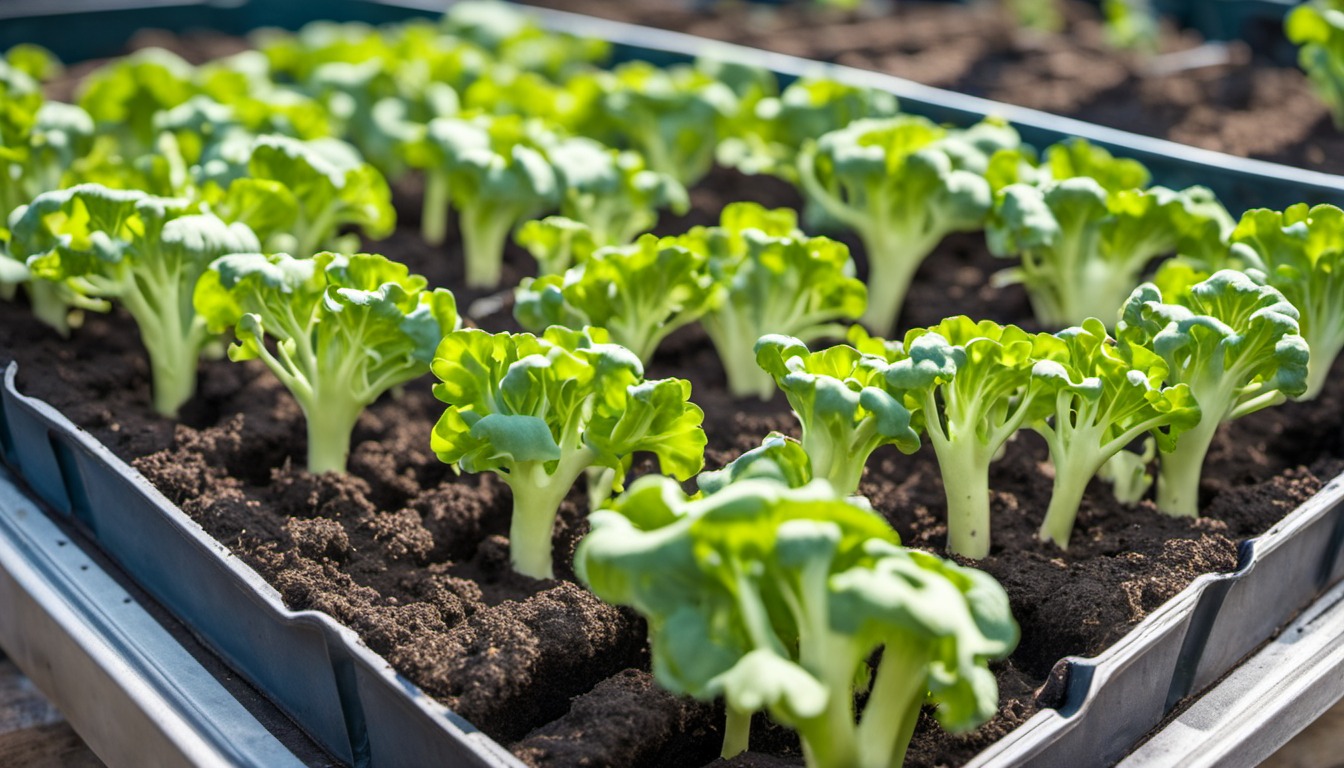
Work backward from the regional window
Texas A&M’s fall guide places broccoli among cool-season crops and publishes different dates across its five regions. If starting your own transplants, count back the packet’s indoor growing period and allow time for gradual outdoor acclimation. Compare varieties and their maturity estimates; the guide lists Green Magic and Packman among Texas examples. A small transplant should have sturdy growth and enough root room before it is exposed to a hot fall bed.
Prepare space for mature leaves
Broccoli’s broad canopy needs considerably more space than the cell pack suggests. Lay out the final spacing and a path for inspecting leaf undersides before planting. Group it with crops that share the season and protection needs, but do not squeeze transplants so closely that you cannot reach the growing center. Use workable, well-drained soil and let a soil test guide fertilizer decisions. Set irrigation where it can be checked after leaves expand.
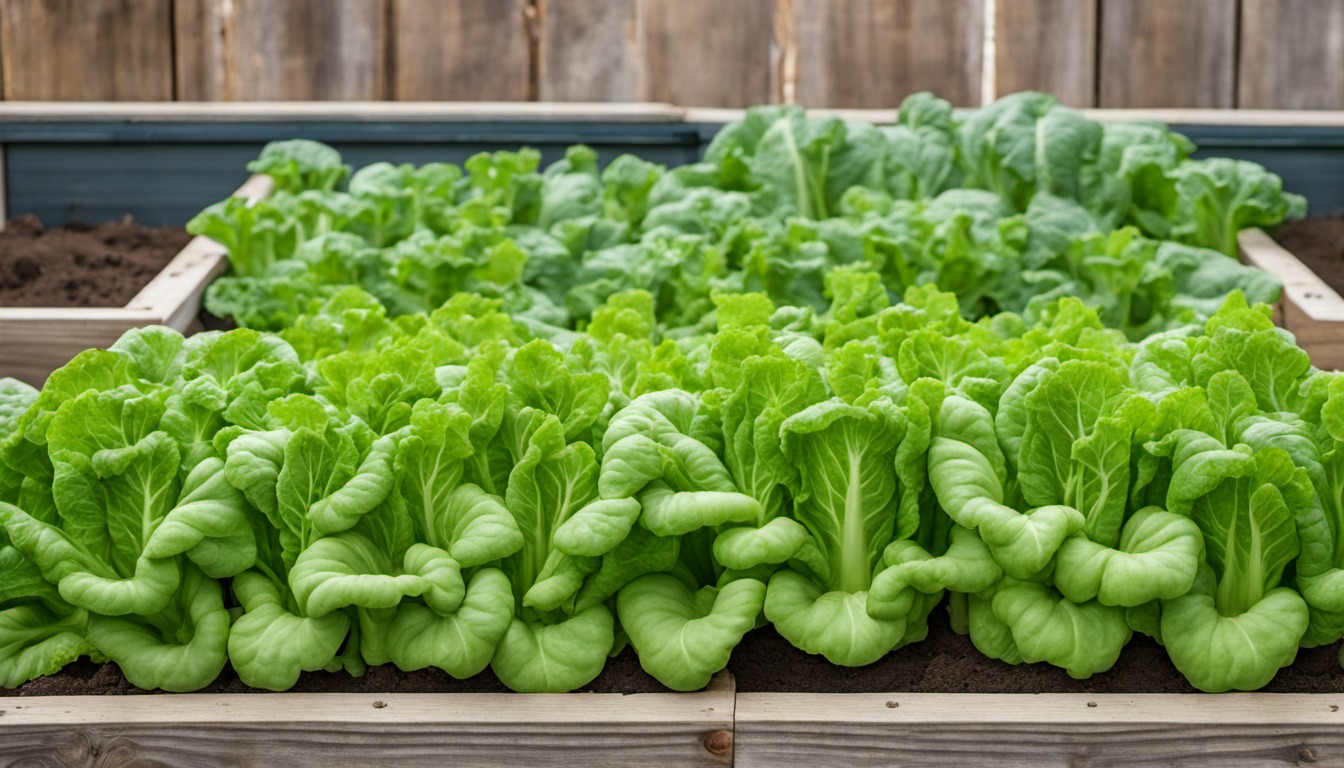
Inspect the head and leaves
Check the root ball during hot establishment, then scout for caterpillars and eggs on leaf undersides. If using a barrier, inspect beneath it and ventilate when heat builds. Harvest the central head while the buds are compact and before the flowers open; some varieties then produce side shoots. If a head is unusually small, record transplant age, weather, water and damage before assuming a nutrient deficiency. Several different stresses can affect growth.
Schedule the transplant backward
The fall extension chart has different dates for five Texas regions. Use the region that covers your garden, then count backward from the transplant window for indoor sowing and gradual acclimation. A packet’s maturity estimate is a guide, not a guarantee that a plant started late will finish before cold slows growth. Label the variety; Texas A&M lists Green Magic and Packman among examples.
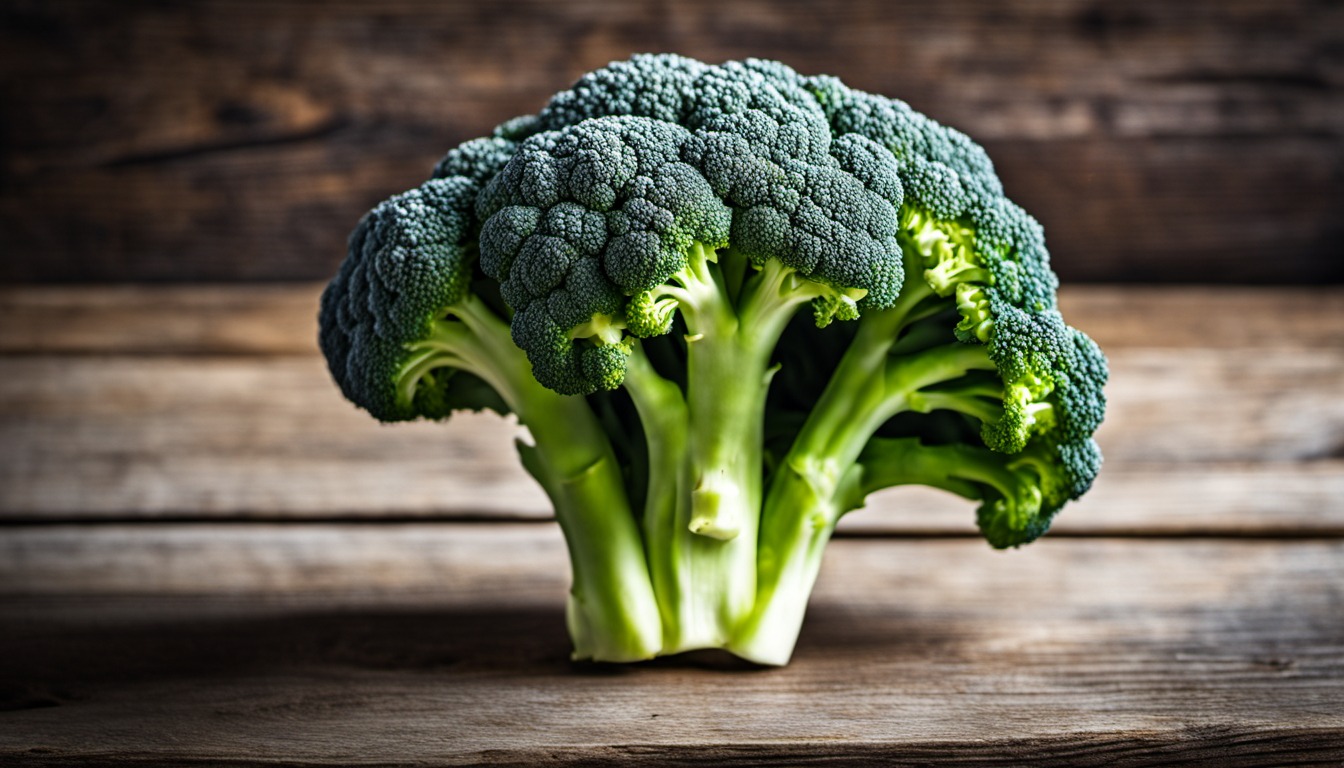
Use head size as evidence, not a diagnosis
Cut a central head while buds are compact, and check whether your variety produces side shoots afterward. If a head is small, record plant age, moisture, heat and leaf damage rather than concluding that it needs a specific nutrient. Several stresses can affect growth. Make room for the broad canopy and a harvest path so the center and leaf undersides remain visible.
Decide between seed and transplants
A tray started indoors needs its own sowing date before the local outdoor window. Count backward using the variety’s indoor growing period and allow for acclimation; buying transplants removes that step but still requires a ready bed. Inspect plants for sturdy growth and adequate root room. If the bed is not prepared when the window arrives, do not plant into compacted wet soil merely to match a date.