Texas garden field guide
Start Vegetable Seeds Indoors for a Texas Garden
Starting seeds indoors gives you more control over varieties and timing, but bigger is not always better. The target is a healthy transplant ready when your outdoor bed and local weather are ready.
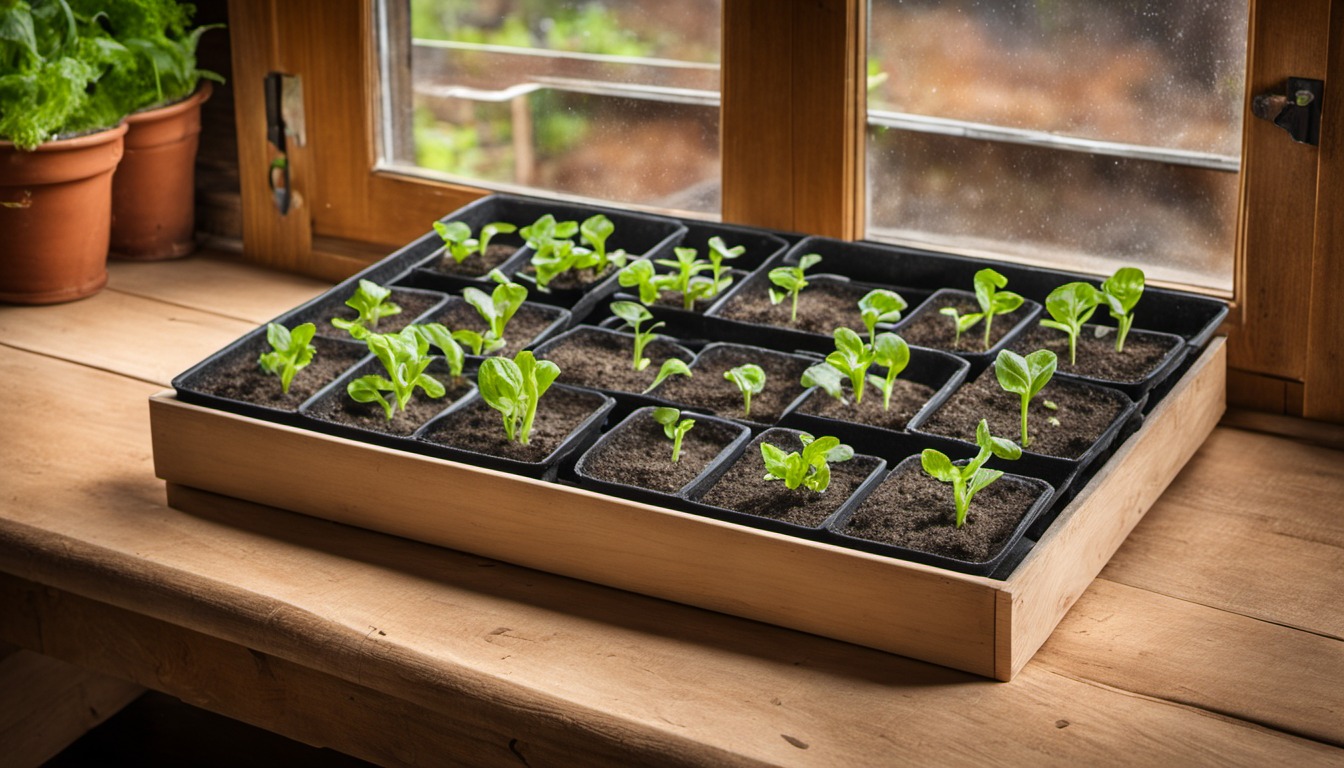
Count cells and label varieties
Decide how many plants fit the finished bed, then sow a few extras for imperfect germination rather than filling a tray without a destination. The packet’s expected germination and days to transplant help plan, but neither guarantees every cell will produce a usable plant. Label the variety and sowing date before watering, especially if several crops share a tray. Different crops require different indoor growing periods; start them on separate dates rather than assuming one tray should all be sown together.
Respond to stretched or crowded starts
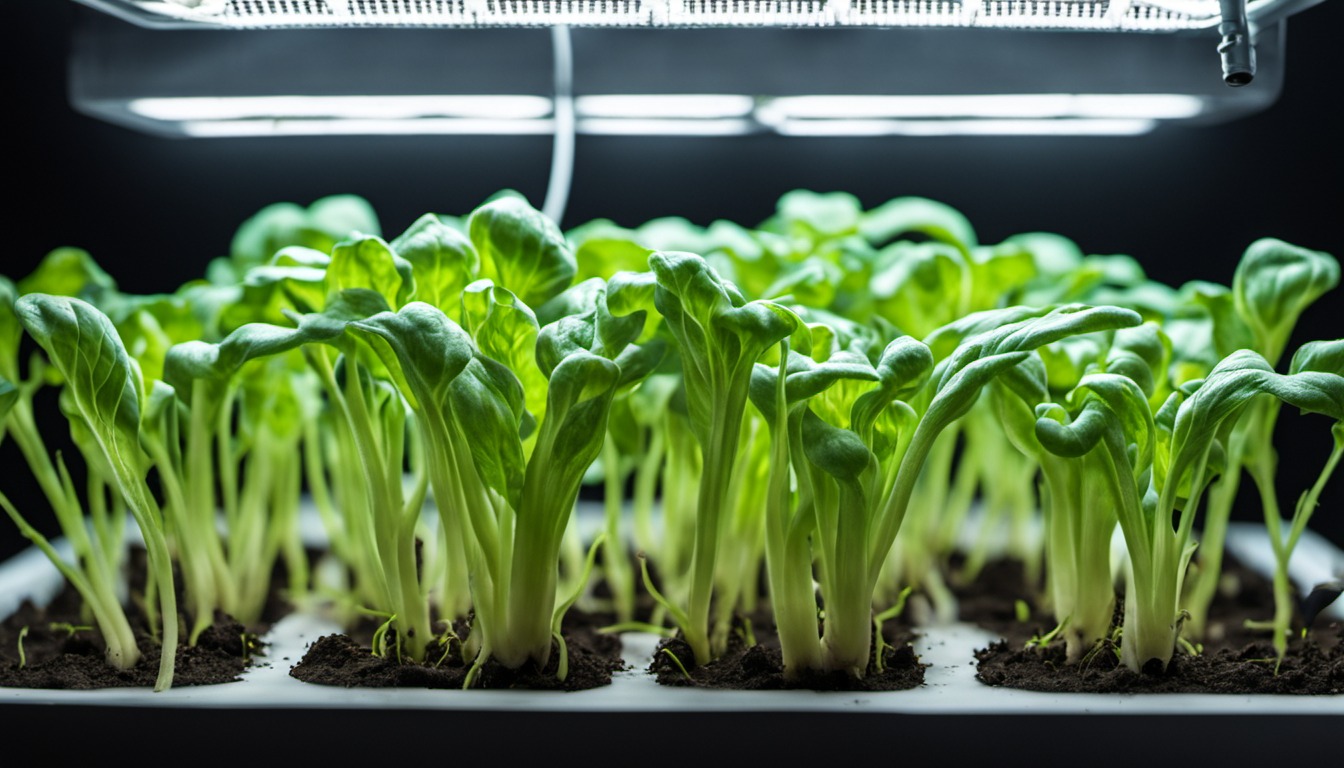
After emergence, provide adequate light and room. A seedling leaning and stretching toward a distant window may need a better light arrangement, not more fertilizer. Thin or move crowded plants to appropriate containers before roots become severely constrained. Keep the mix evenly moist but let excess drain. If seedlings collapse or a tray remains persistently wet, review sanitation, moisture and airflow and consult a diagnostic source before repeating the same setup.
Make hardening off a scheduled job
Indoor-grown leaves are not accustomed to full sun and wind. Begin with a protected outdoor period, then gradually increase exposure over several days while watching the weather. Bring tender starts back inside during unsuitable cold or strong wind, and do not put them in intense afternoon sun on the first day. Prepare the bed and support before the move. If weather delays transplanting, keep plants in adequate light and containers with enough root room rather than leaving a crowded tray in a dark corner.
Work backward with a real example
If your intended transplant date is March 15 and a packet specifies six weeks indoors, count back 42 days to February 1. This is arithmetic, not a Texas-wide planting recommendation. The intended date must first fit local crop guidance and the forecast. Put hardening off on the schedule too, and check whether the packet’s maturity estimate counts from sowing or transplanting when planning a later harvest.
Make the tray easy to inspect
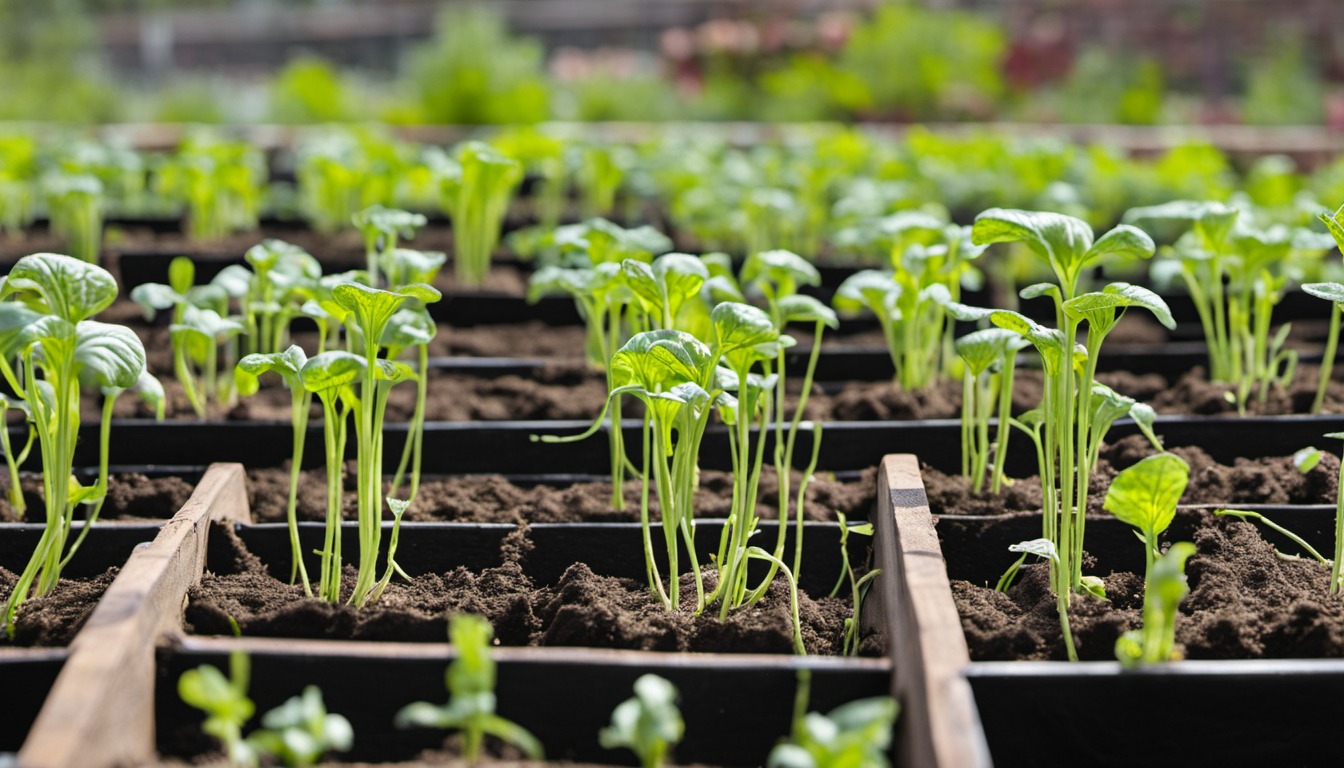
Use clean containers with drainage and label each variety and date before watering. Sow at the packet depth in seed-starting mix and keep it evenly moist, not saturated. A label matters when one crop emerges sooner than another. After seedlings appear, provide adequate light and room; a bright-looking room may still cause plants to lean toward a distant window. Check the tray daily instead of keeping every crop under identical conditions by habit.
Prepare for a weather delay
A local average frost date does not rule out a later cold front. If outdoor planting must wait, move crowded plants into appropriately larger containers and keep them in adequate light. Continue gradual outdoor exposure only during suitable weather and protect plants from sudden full sun and strong wind. Prepare the bed and support while waiting, but do not work sticky soil merely to keep a calendar date.