Texas garden field guide
Kale and Collards for a Texas Cool-Season Garden
Kale and collards offer repeated leaf harvests from a small bed. Give the plants enough space, start them in the local cool-season window, and inspect the leaves regularly instead of waiting until the whole plant is damaged.
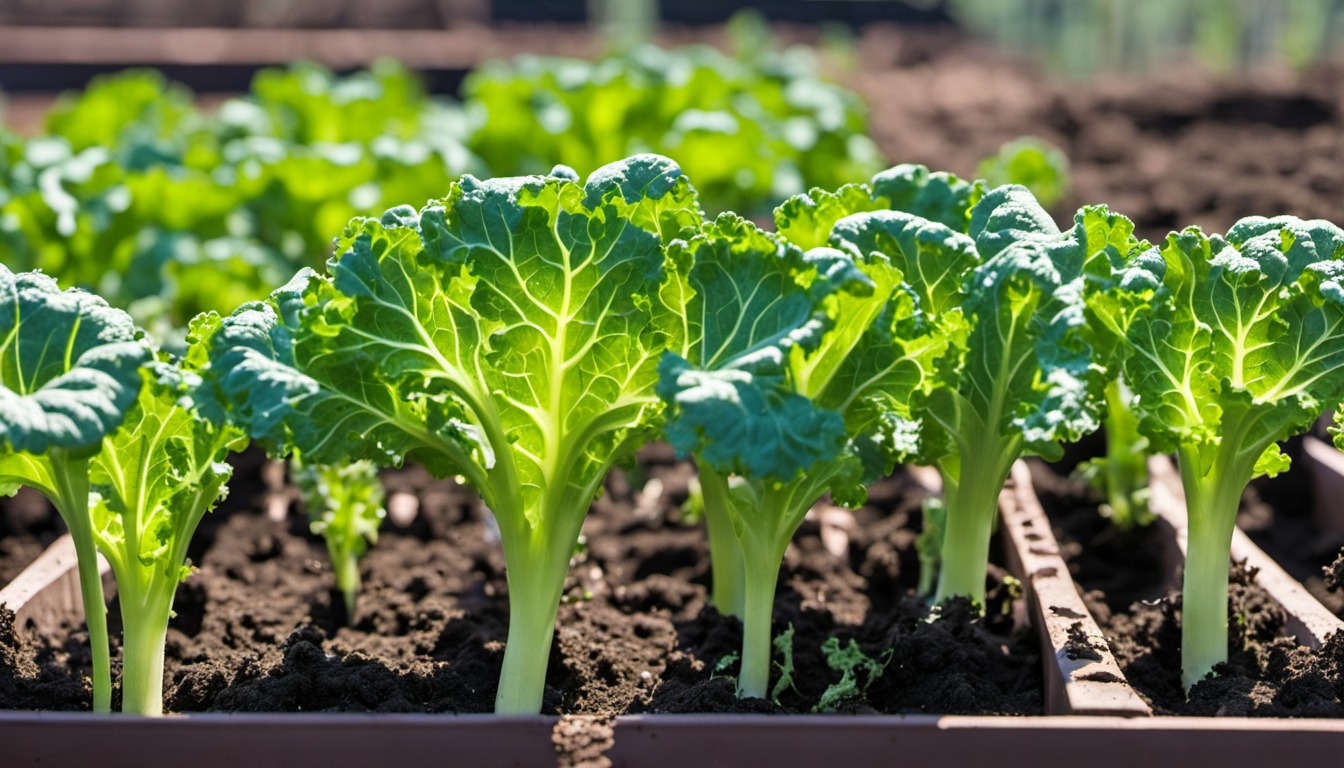
Choose the leaves and harvest you want
Kale and collards can supply repeated leaf harvests, but their mature shapes and textures differ. Texas A&M lists them among crops that tolerate partial shade and identifies Georgia Southern among collard examples. Use a local cool-season planting window and compare packet maturity estimates. Leave enough space for each canopy; seedlings that look small at planting can grow into broad plants that are difficult to inspect when crowded.
Keep the center healthy
Pick mature outer leaves from several plants while leaving the growing center and enough foliage for regrowth. Use clean tools and remove damaged leaves. Make harvesting a chance to turn over nearby foliage and look for caterpillars or eggs. A physical cover may help with some pests, but it needs secure edges, regular inspection underneath and ventilation when hot. A few old holes do not prove that new damage is continuing.
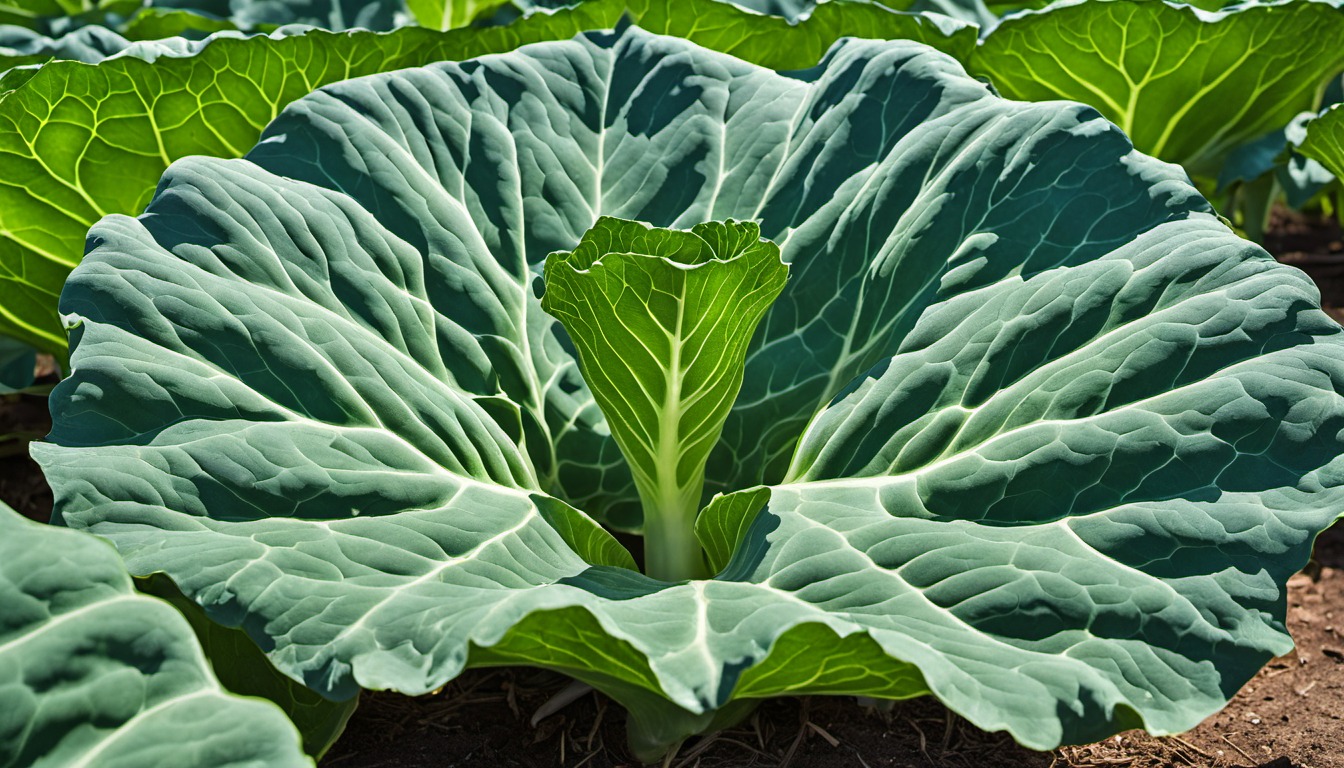
Plan for the actual cold
Cool-season tolerance is not a promise that every plant survives every hard freeze. Check the forecast, the crop’s stage and the protection material available. Group plants with similar needs so a supported cover can fit without crushing leaves, and harvest what you can use before severe conditions. Afterward, inspect the center and roots when weather permits. Note the measured low, cover and plant response for a more useful record next season.
Use the light available
Texas A&M lists kale and collards among crops that tolerate partial shade. Observe the actual hours and pattern of shade rather than assuming a bed under a large tree is suitable. Position taller neighboring crops where they do not obstruct access to the greens. The fall guide lists Georgia Southern among collard examples; use local advice when selecting seed.
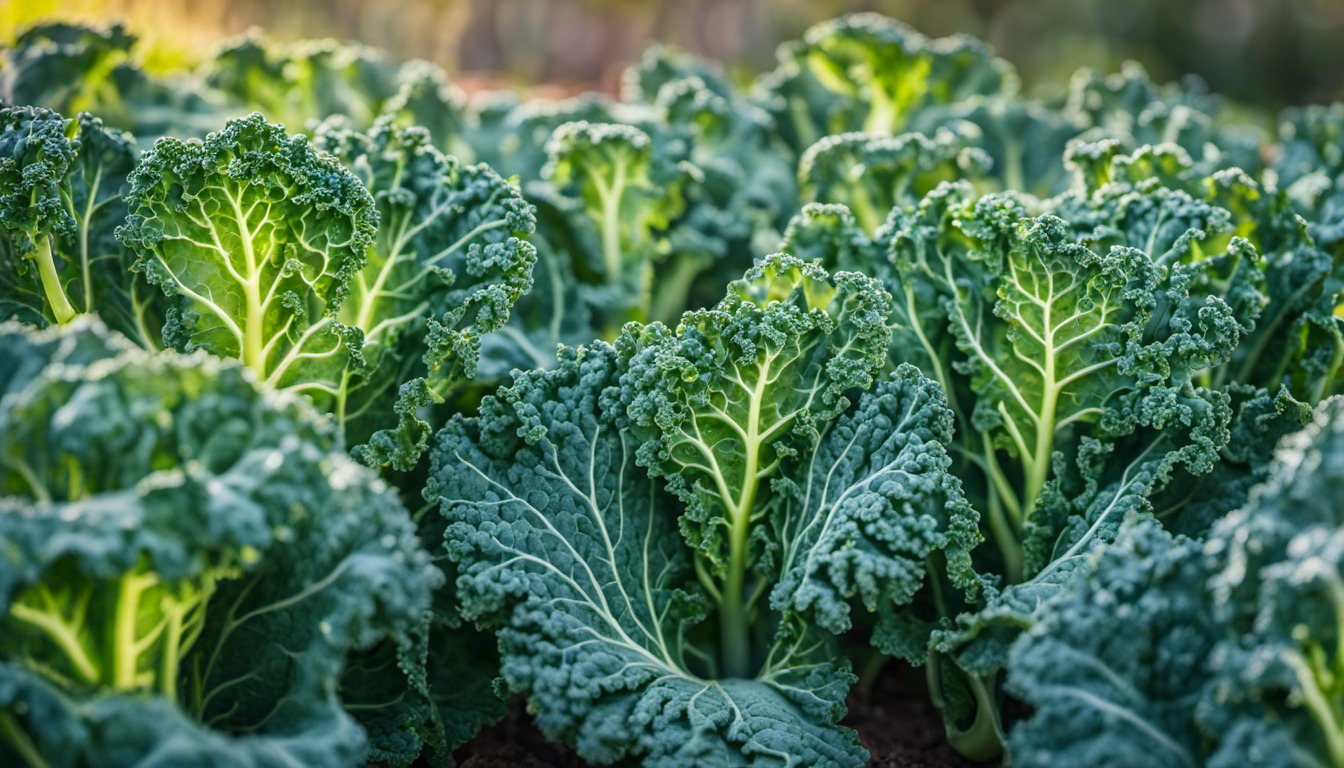
Plan repeated harvests
Take a few mature outside leaves from several plants and leave the center intact. Use clean scissors, inspect leaf undersides during harvest and remove damaged leaves. Record how long each variety produced and what protection it had during a cold front. That record helps distinguish a useful variety from a single unusually mild winter.
Make a small cool-season layout
Draw the mature spacing and reserve a path to harvest leaves without walking on wet soil. A small transplant can grow into a broad plant. Texas A&M’s fall guide groups greens with crops that tolerate some frost, while tomatoes and peppers are susceptible. Separating their spaces makes it easier to fit protection and clear finished warm-season plants without disturbing greens.