Texas garden field guide
A Texas Winter Vegetable Garden: What to Plan For
A mild winter week can be productive in a Texas vegetable garden, but a sudden hard freeze can interrupt it. Choose crops for your location and establish them early enough to develop before the coldest, shortest days.
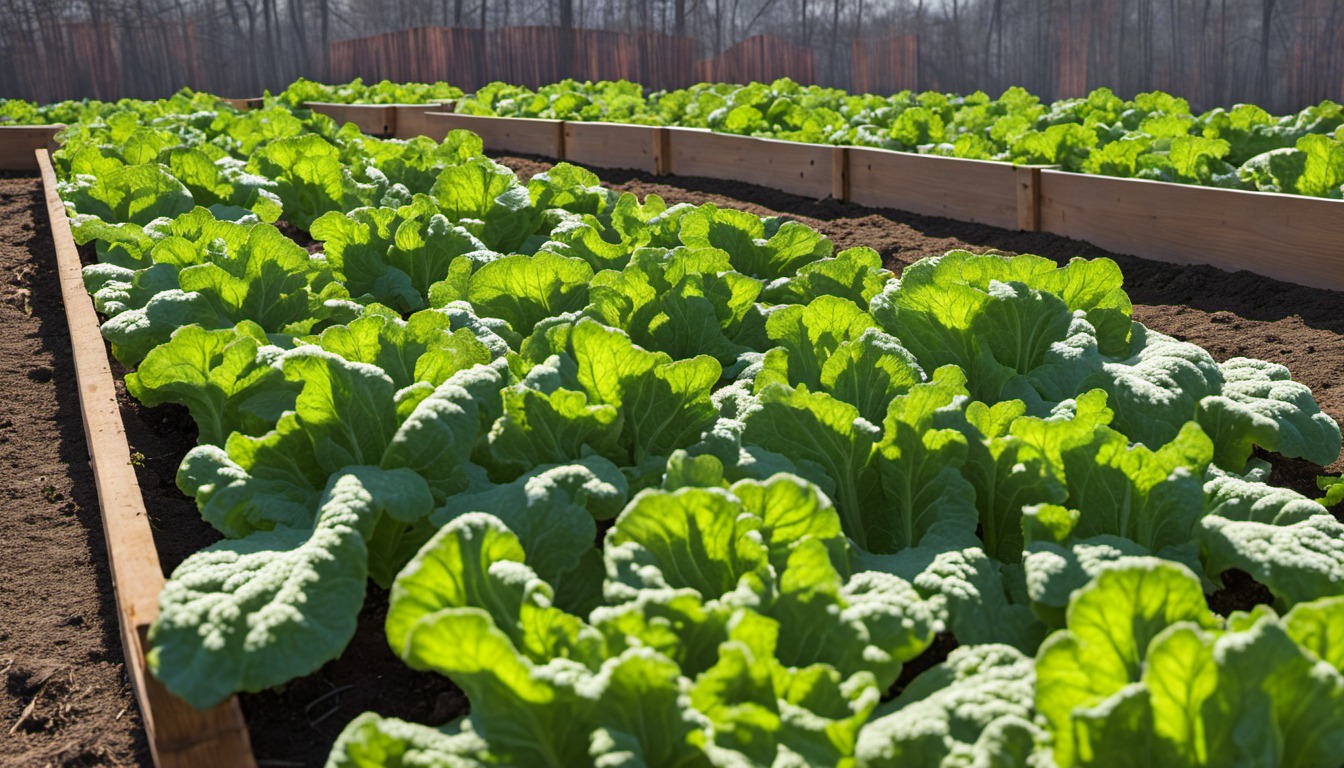
Choose crops by exposure and harvest goal
Texas A&M’s fall guide lists leafy greens, carrots and broccoli among frost-tolerant vegetables; warm-season tomatoes and peppers are listed as frost-susceptible. Within a crop, variety and plant size still matter. Decide whether you want repeated leaf harvests or a crop that needs longer to mature, then check the local window. Place crops needing similar protection together so a cover can fit without crushing taller plants. A winter bed is easier to manage when you can reach it without walking through wet soil.
Assemble protection before a forecast
Measure the bed and buy enough breathable cover to reach the ground at the edges. Hoops or a simple frame keep fabric from bearing directly on foliage; weights or clips keep wind from lifting it. Different materials provide different protection, and no cover makes every crop safe through an extended hard freeze. Check the manufacturer’s directions and the forecast, including daytime highs. Remove or ventilate a cover when it becomes too warm underneath, and secure loose material so it does not blow onto neighboring plants.
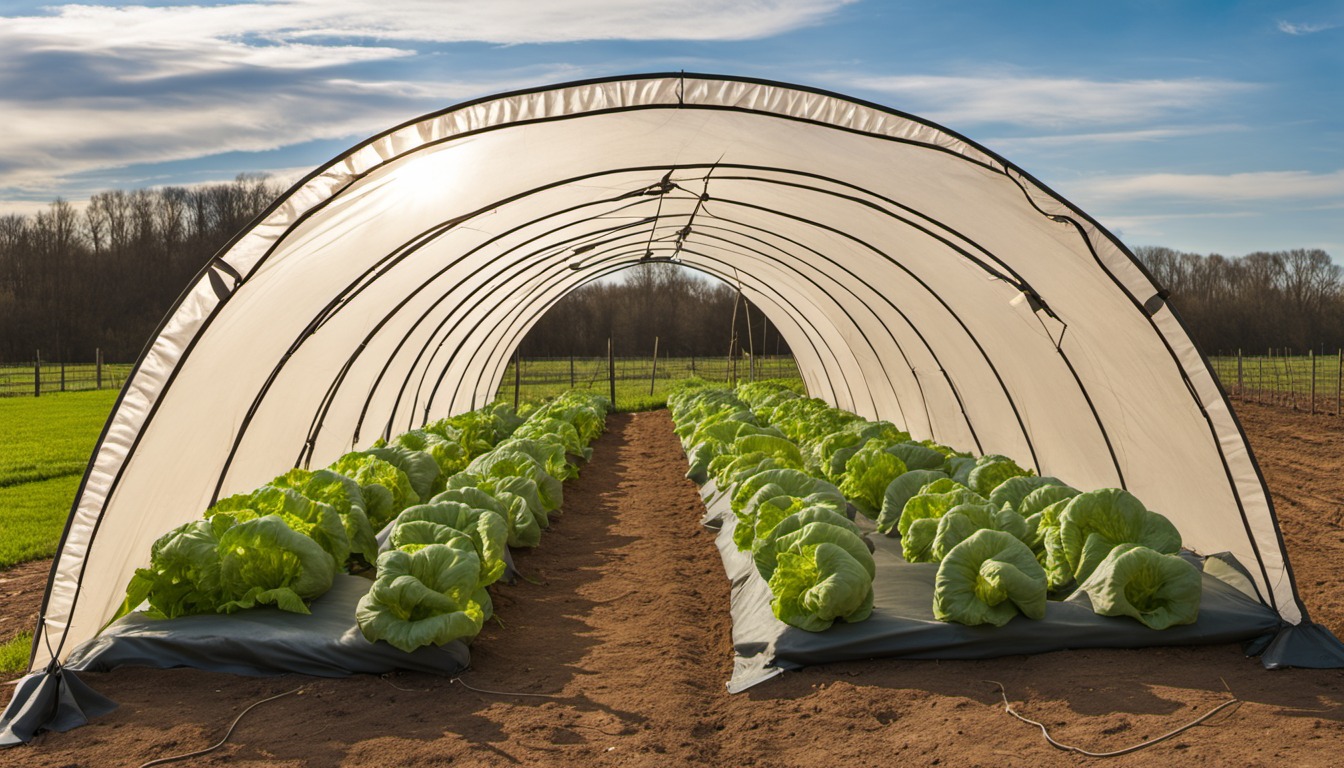
Decide when to harvest
If a severe freeze is forecast and leaves are ready to use, harvest a practical amount beforehand. After the front passes, inspect the growing center and stems when conditions permit; do not assume every damaged outer leaf means the whole plant is lost. Remove deteriorating material, then observe whether the plant resumes growth. Record the low temperature if you measured it, the duration of cold and the protection used. These details are more useful than a simple note that a variety did or did not survive.
Keep water and access in the plan
Cooler weather often slows evaporation, but a windy dry period can still leave the root zone dry. Check under mulch before watering and allow soil to drain; avoid repeated watering into an already saturated bed. A path or board can keep you from compressing wet soil while harvesting. Protect irrigation equipment according to its instructions when freezing weather is expected, and follow local restrictions whenever watering.
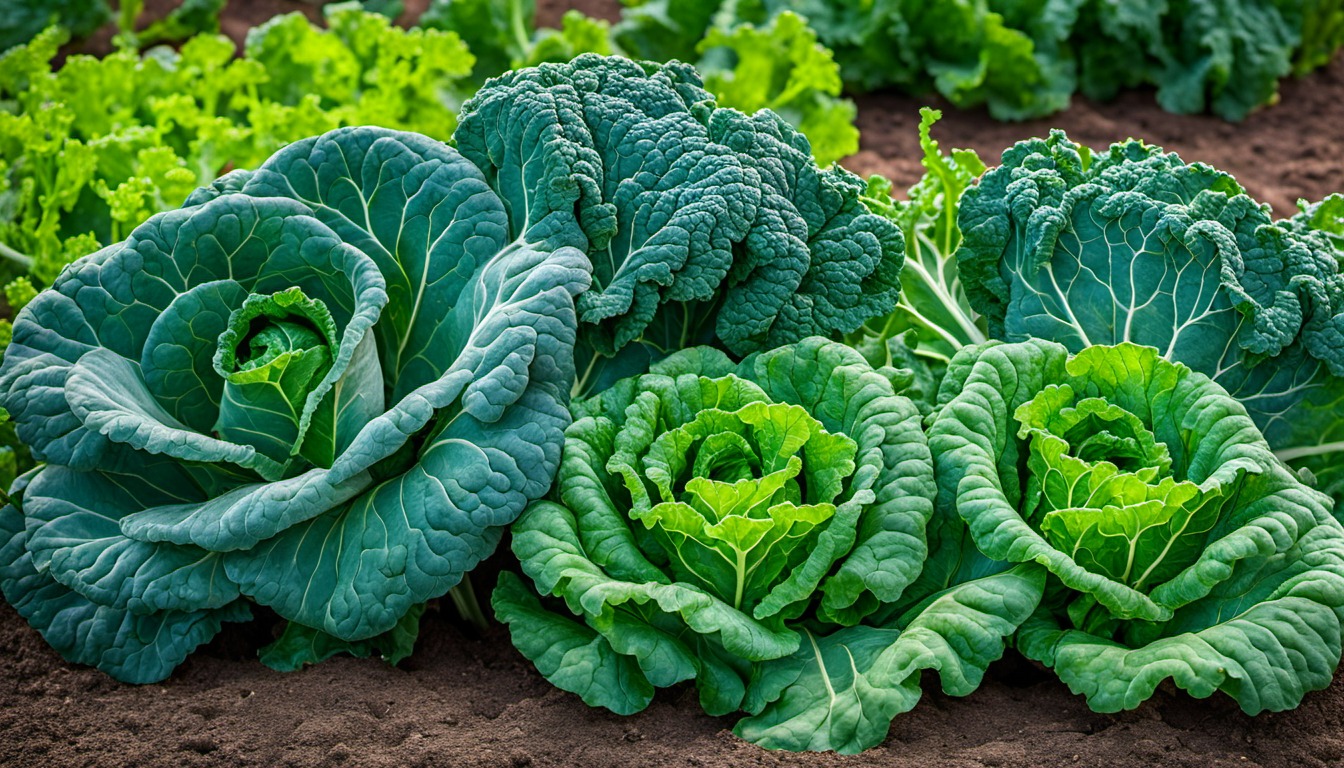
Count back before the shortest days
For a winter harvest, compare the local fall planting window with the variety’s estimated time to harvest. A crop sown when days are already short may grow more slowly than its packet estimate suggests. Decide whether the crop will be direct-sown or transplanted; an indoor start needs its own lead time. Keep cool-season greens separate from the space you intend to use for a later warm-season crop, and leave room to reach both without compacting wet ground.
Use local conditions, not a statewide winter
A coastal bed and a High Plains bed experience different cold and growing windows. Texas A&M’s regional fall chart is a starting point; county advice and the near-term forecast add local detail. Note the exposure of the bed as well: a low open area and a protected wall may experience different conditions. A crop that tolerates a light frost can still be damaged by a severe or prolonged freeze, particularly when plants are small.