Texas garden field guide
Texas Frost Dates vs. USDA Hardiness Zones
A USDA hardiness zone and a frost date are useful, but they are not interchangeable. One describes a long-term band of extreme winter cold; the other estimates when freezing conditions tend to occur at a location.
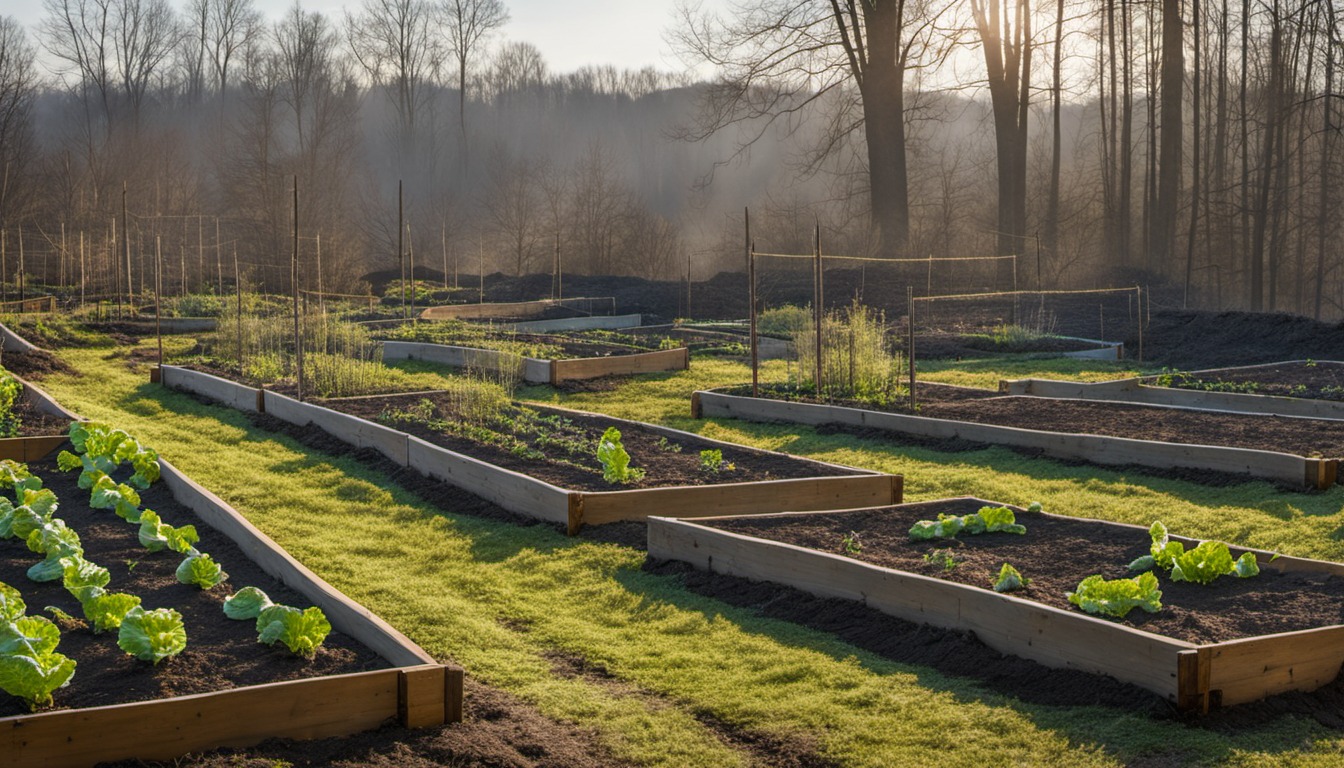
Use a zone for the question it answers
The USDA hardiness zone is based on average annual extreme minimum temperature. It is useful when comparing a perennial’s winter cold tolerance with a location, but it does not describe summer heat, drainage, rainfall or when the last freeze occurs. A ZIP lookup can summarize a broad area and cannot measure a sheltered wall or an exposed low spot in your yard. Choose a plant using its full site needs, not the zone number alone.
Use frost averages as planning anchors
An average date is not the last possible frost. If an example average last frost is March 15, March 16 is not guaranteed safe for a pepper. The crop’s tolerance and the forecast remain part of the decision. Compare a nearby reliable frost reference with your county extension planting window; label each source on the plan. A station’s frost average and a regional crop chart are different datasets and should not be silently treated as the same local recommendation.
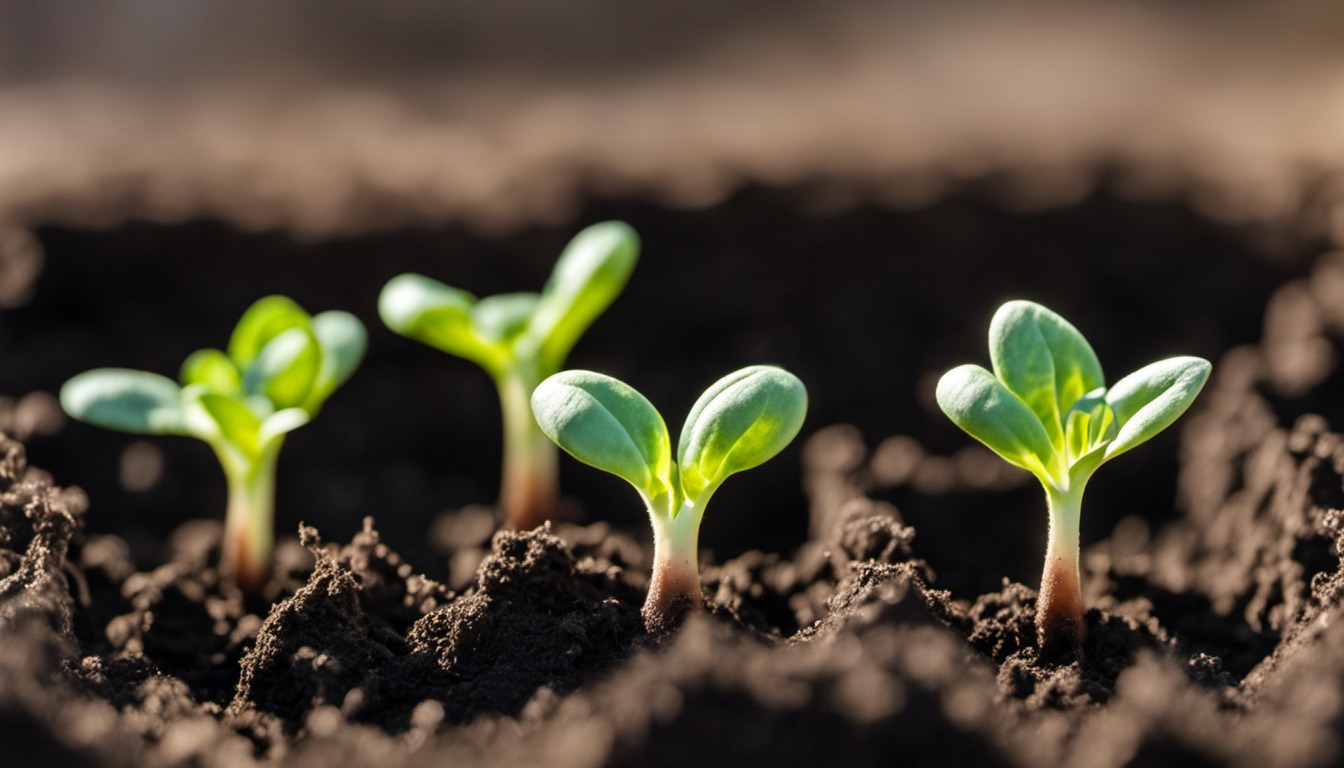
Check soil and crop stage before acting
Warm air for a few afternoons does not necessarily mean the soil is warm enough for a warm-season seed. Consult the seed packet or extension guidance and measure soil temperature when that decision matters. A newly emerged seedling, an established cool-season plant and a tender transplant can respond differently to a cold front. If the forecast is unfavorable, postpone planting or prepare a suitable cover, then record the actual conditions and response for next season.
Compare a chart and a station correctly
A county extension chart describes crop windows for its stated area and method. A frost station supplies a separate temperature average. For example, choosing a Houston frost station in the site’s Region III calculator does not convert its Region III crop windows into Harris County guidance. Label both sources on your plan and consult the county chart for the crop. If the two suggest different actions, check the crop’s cold tolerance and the current forecast.
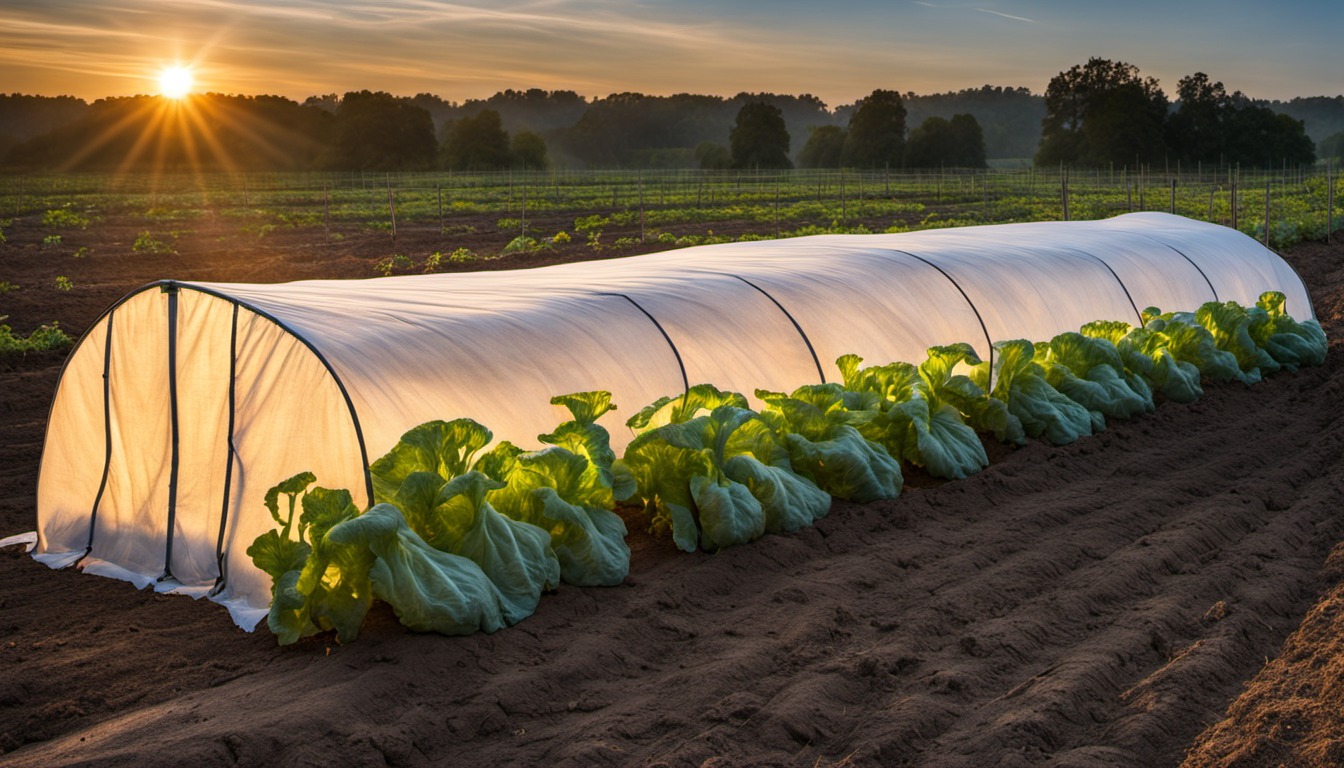
Observe the garden’s exposure
A low open area and a sheltered wall can behave differently within the same ZIP code. Record a plant-height temperature during a cold front if you have a reliable thermometer, along with whether the bed was covered. One warm or cold year does not create a new climate average, but repeated observations can help you decide where to place early transplants or containers. Keep that site note alongside the broader reference rather than replacing it.
Use the tools in sequence
First identify the local crop window, then enter your chosen frost anchors in a calendar to estimate jobs. Check soil warmth and the near-term forecast before a warm-season sowing or transplant. For a perennial, use the zone as winter-hardiness context and also evaluate drainage, summer exposure and water needs. The numbers answer different questions; a favorable answer to one does not settle the others.