Texas garden field guide
A Simple Pest-Scouting Routine for Texas Vegetable Beds
A hole in a leaf is a clue, not a diagnosis. A short, regular inspection helps you distinguish new damage from old, find the organism responsible and decide whether the plant actually needs intervention.
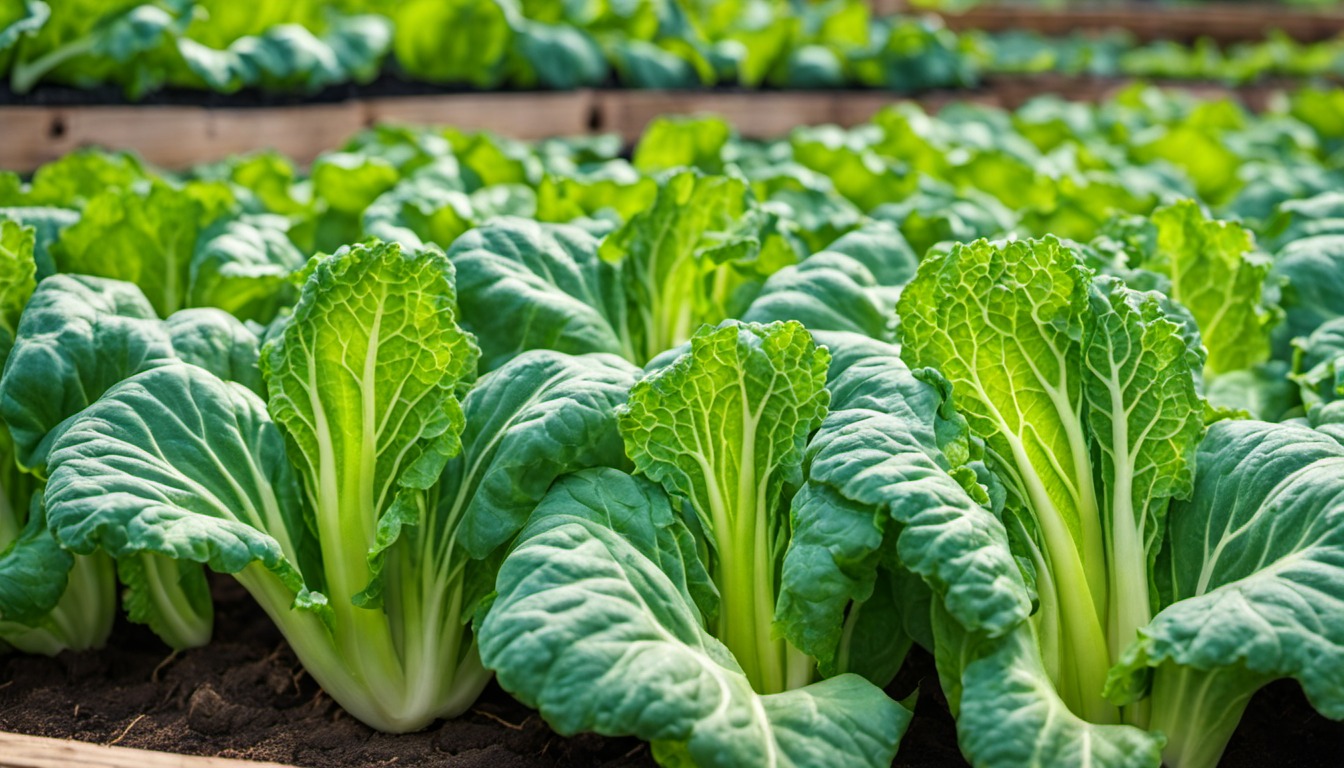
Record evidence that can be compared
Walk the bed regularly and inspect new growth, stems and leaf undersides. Write down the crop, how many plants are affected and whether injury is new or spreading. “Three of six plants have fresh holes and small green caterpillars beneath two leaves” is more useful than “bugs everywhere.” Old holes do not heal, so later inspection should focus on new damage. If you cannot see the cause, return at a different time or photograph the plant and organism for local identification.
Distinguish a pest from a helper
Insects visiting flowers or preying on other insects can be useful. Compare both the organism and the injury with extension references, and ask your county office when the evidence is unclear. A few damaged leaves on a vigorous plant may not justify a treatment. Record whether damage is concentrated on one plant or across the bed; distribution can help distinguish a local watering or root problem from an insect that is moving through the crop.
Choose and evaluate a response
Hand removal, a physical barrier or removal of badly affected material may be suitable for an identified problem. A cover can also trap heat or exclude pollinators, so inspect beneath it and adjust it for the crop’s stage. If a pesticide is needed, verify that its label includes the crop and pest, and follow directions for protective equipment, pollinators and harvest interval. Record what was done and revisit the same plants to check whether new damage slowed.
Photograph the useful details
Capture the whole plant, both sides of affected leaves, the stem and a clear view of the organism if present. Note the crop, date, location and how many plants show fresh damage. A county extension office can interpret that evidence more effectively than a single close-up with no context. Avoid identifying a pest solely because one online image looks similar.
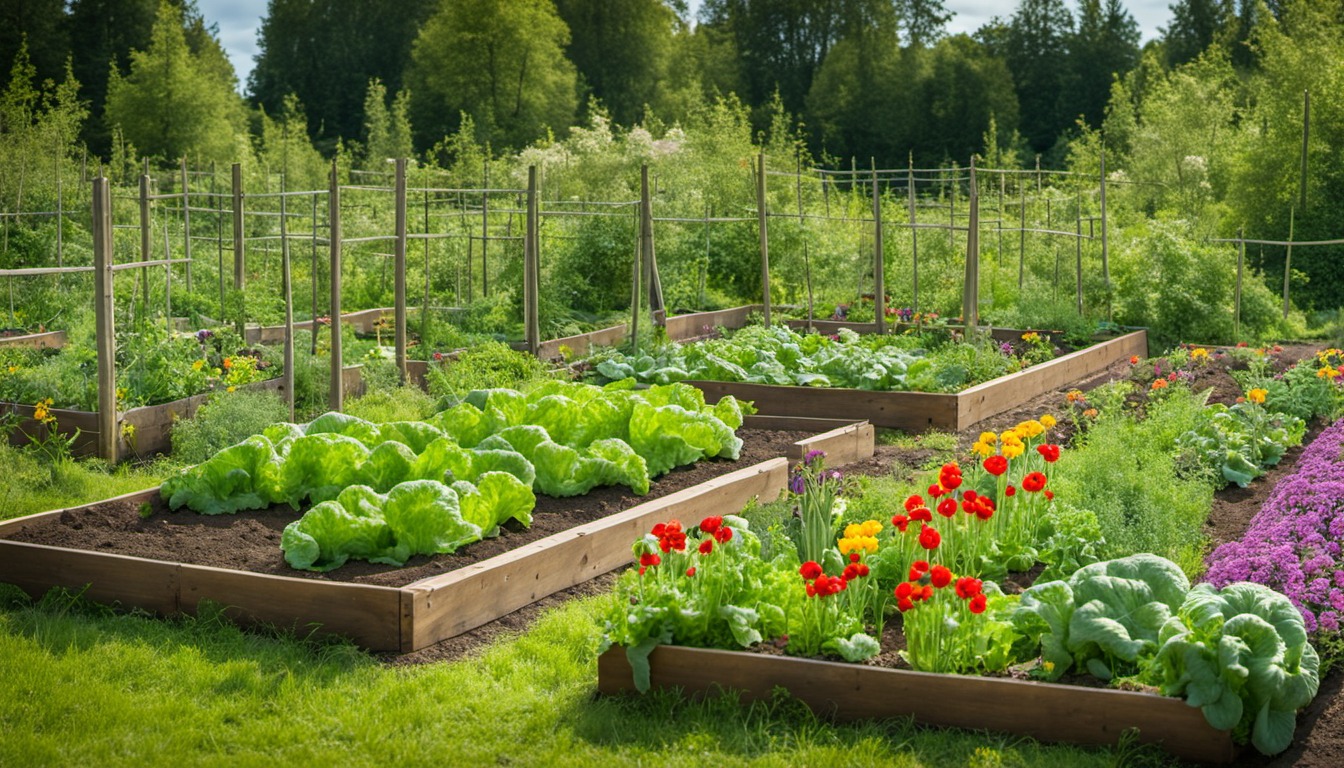
Check the result of your decision
Revisit the same plants after hand removal, a barrier or a labeled treatment. Existing holes will not heal, so look for new injury and record whether it is spreading. Check for beneficial insects as well. If damage continues, reassess identification and the method before repeating an application. Keep the product label and harvest interval with your notes if a pesticide was used.
Compare affected and healthy plants
If one plant wilts, compare its root-zone moisture and stem with a healthy neighbor before watering the whole bed. If many plants develop new holes, note whether the injury appears on tender growth, older leaves or stems. This comparison does not identify the cause by itself, but it gives an extension specialist a clearer starting point. Do not add fertilizer or spray solely because a symptom resembles a photograph.