Texas garden field guide
Add Pollinator Habitat Near a Texas Vegetable Garden
A vegetable garden can share space with flowers and habitat that support pollinators. Choose plants suited to your region and aim for a sequence of blooms rather than relying on a single flower for the entire season.
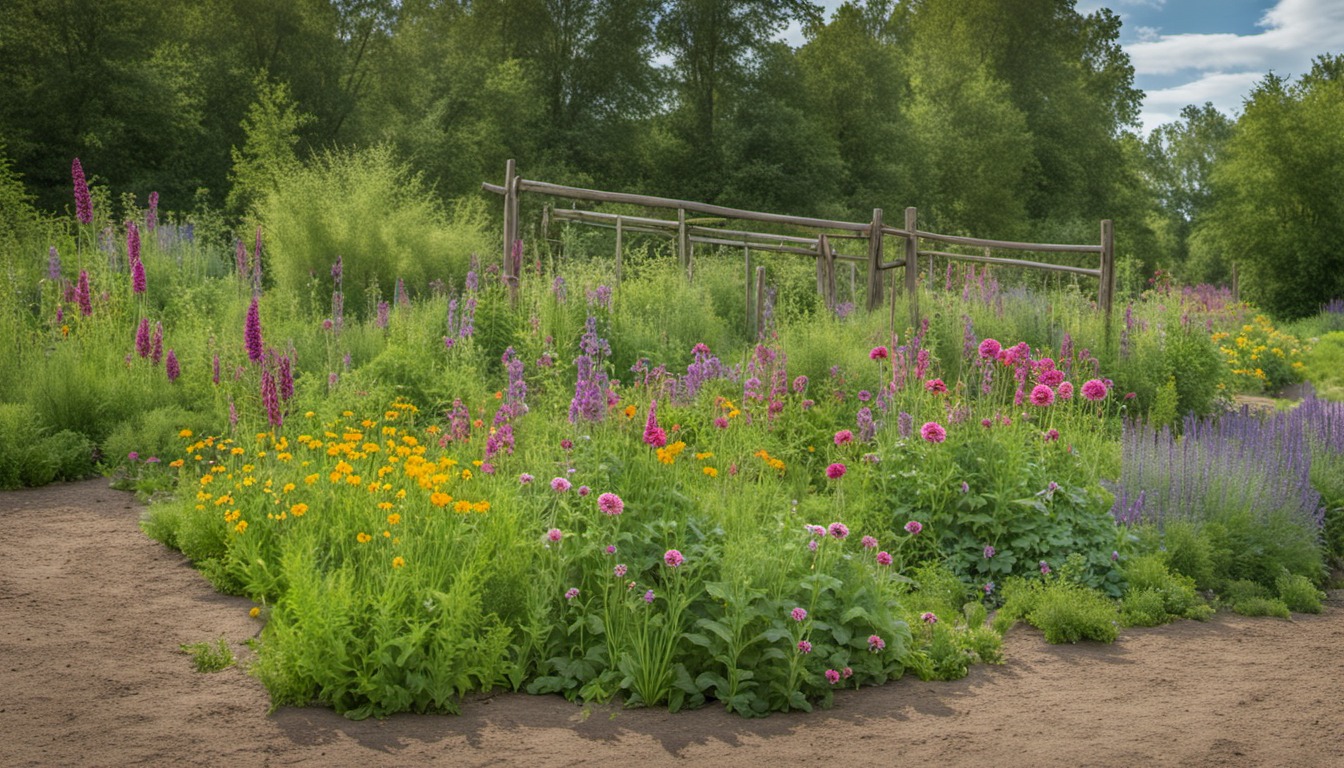
Choose for your ecoregion
Texas Parks and Wildlife provides ecoregional plant lists for native bees. A plant native somewhere in Texas is not necessarily the right fit for every county or garden. Select for the actual light, soil, available water and mature size, and plan a sequence of bloom periods rather than one brief display. Leave a harvest path beside vegetables and place tall flowers where they will not shade crops that need full sun. Observe the site during establishment rather than assuming a native plant needs no initial care.
Provide nesting as well as flowers
Texas Parks and Wildlife identifies pollen and nectar plus suitable nesting places as basic native-bee needs. Different species use different sites, including bare soil or cavities and plant stems. Leave suitable areas undisturbed where practical while keeping paths and beds usable. A shallow water source can have landing places, but refresh it regularly and prevent stagnant water from breeding mosquitoes. Note what is already present before cleaning every stem or patch of soil.
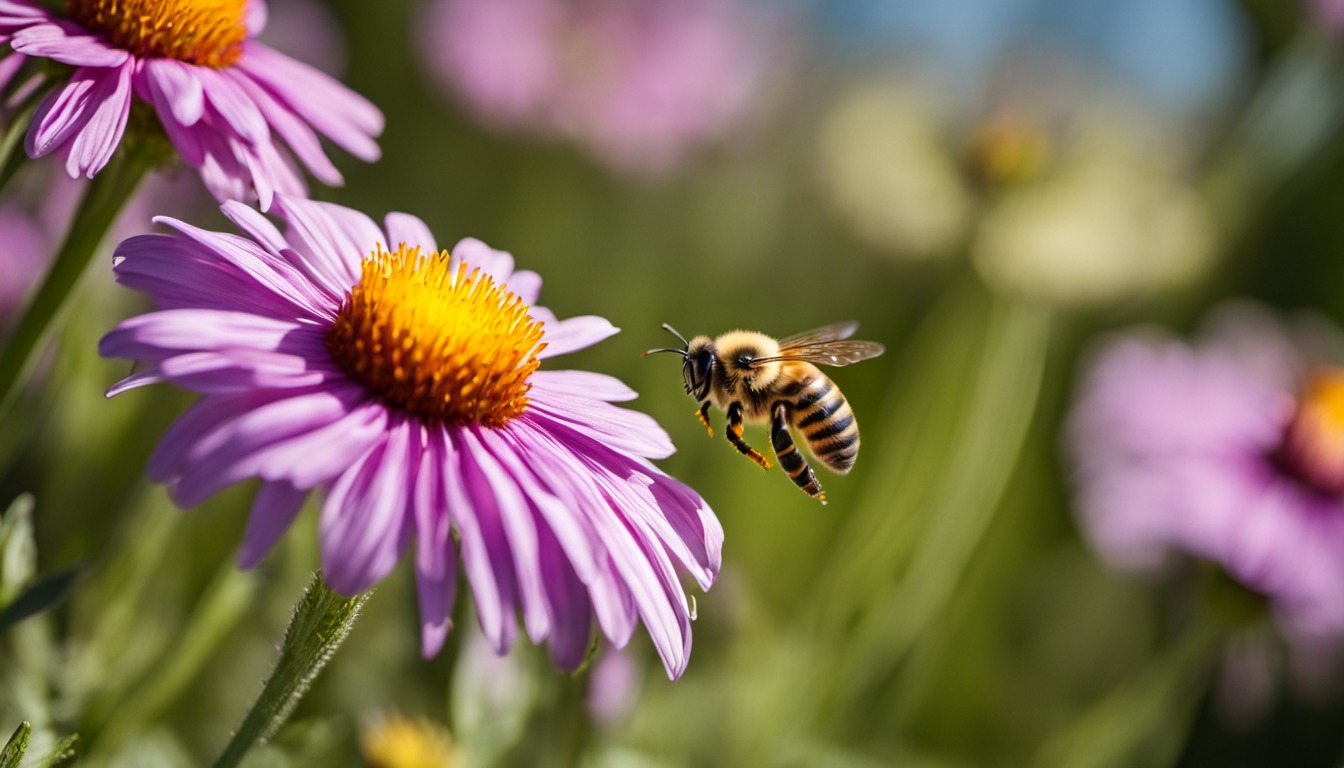
Scout before intervening
Not every insect near a vegetable is a pest, and a flower border is not a guarantee of pest control. Inspect damage and identify the organism before choosing a response. If a pesticide is necessary, follow its label, including crop, timing and pollinator protections. Observe which flowers are available in different months and record gaps; that evidence can guide next year’s planting more effectively than a generic companion-planting claim.
Watch the bloom calendar
Once a month, note which plants are flowering and what visitors are present. Texas Parks and Wildlife emphasizes a succession of blooms because native bees have different active periods. Use an ecoregional plant list to fill gaps next season, checking each plant’s mature width and soil needs. Leave an accessible route through the garden so maintenance does not repeatedly crush the border.
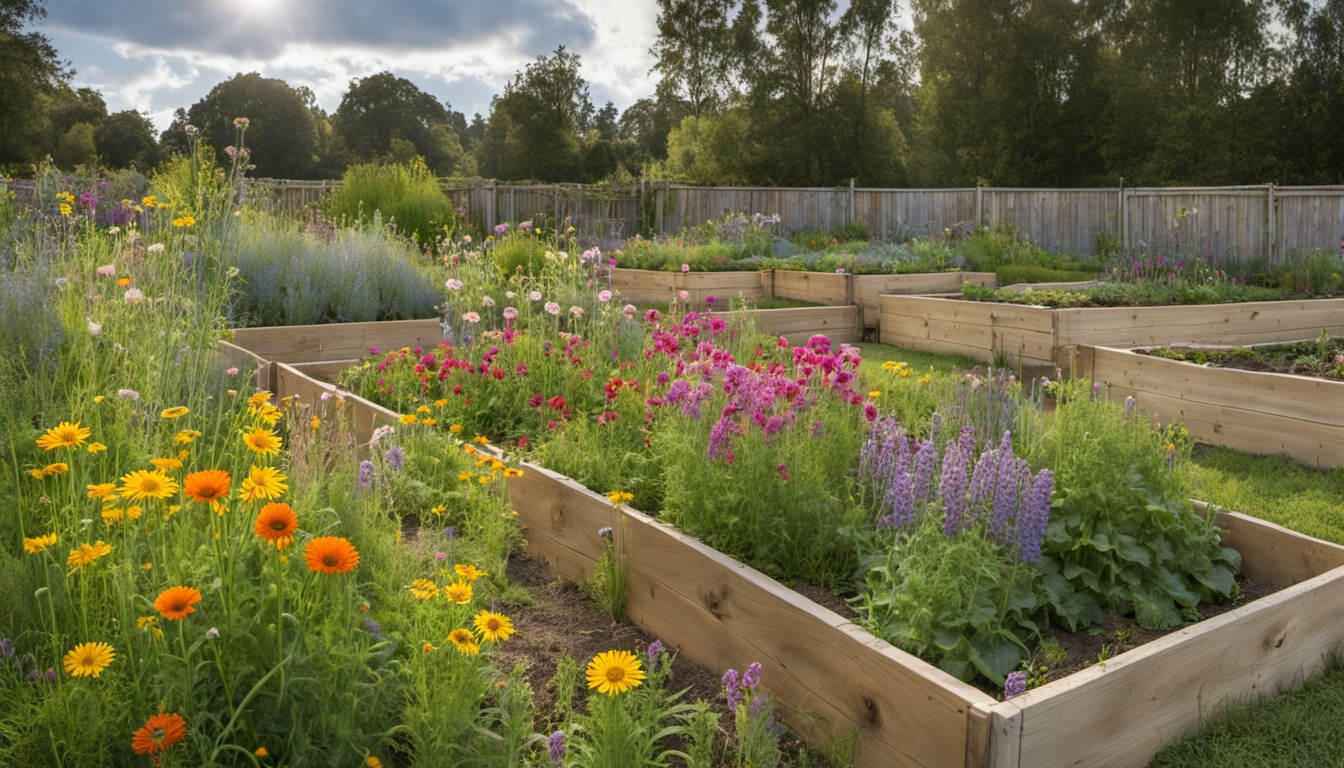
Identify the visitor and the damage
A bee on a flower, a predator on a leaf and a pest eating a crop are not the same observation. Photograph the organism and injury and compare them with extension references before acting. If a product is needed, follow its label and pollinator protections. A diverse border offers habitat; it does not guarantee that a particular pest will disappear.
Plan for establishment
Match a plant to the region, soil and light before placing it in a border. Even a locally native plant needs suitable care while roots establish. Group plants with similar water needs and leave enough mature width so they do not crowd the vegetable path. Use Texas Parks and Wildlife’s ecoregional resources to choose species, then observe the flowering period in your own garden rather than assuming all plants bloom together.