Texas garden field guide
Growing Tomatoes in Texas: Spring and Fall Timing
Tomatoes reward a little planning before they go in the ground. In Texas the window between cool spring weather and intense summer heat can be short, and a fall crop needs time to establish while conditions are still hot.
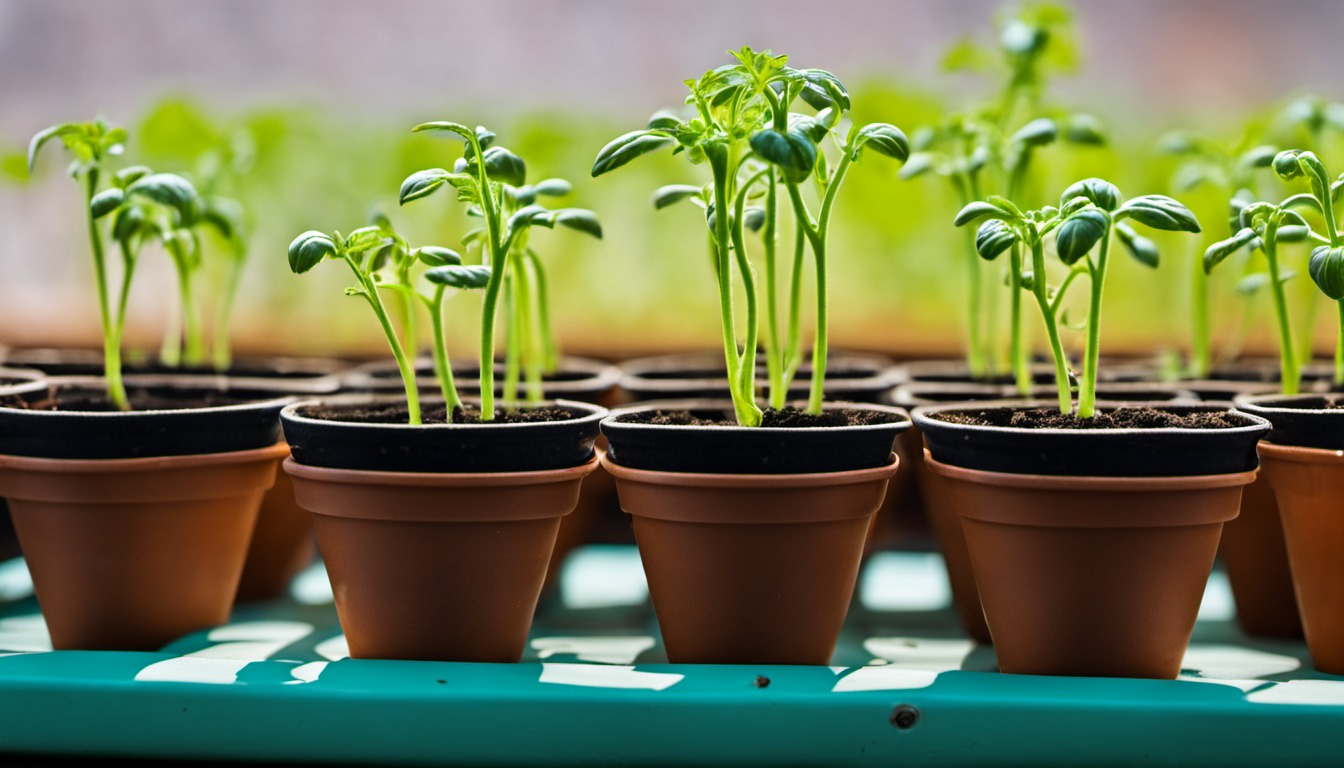
Choose for the season and support
Compare fruit size, mature plant habit and the time available in your local planting window. Texas A&M’s fall guide lists small, medium and paste tomato examples; a locally recommended variety is a useful starting point. Check whether the plant is described as compact or vigorous and choose a support with enough room for growth and harvest. Install it at planting rather than forcing a stake through an established root zone. Leave a path to see both sides of the canopy.
Make a fall transplant plan
The Texas fall guide recommends tomato transplants and gives different dates for its growing regions. If starting your own, count back the indoor growing period and include hardening off. A fall transplant may go into the bed while the weather is hot; check the original root ball as well as the surrounding soil while roots establish. Temporary shade can reduce exposure, but maintain light and airflow and adjust as the plant grows. Do not substitute another county’s crop dates merely because its frost station is available in a calculator.
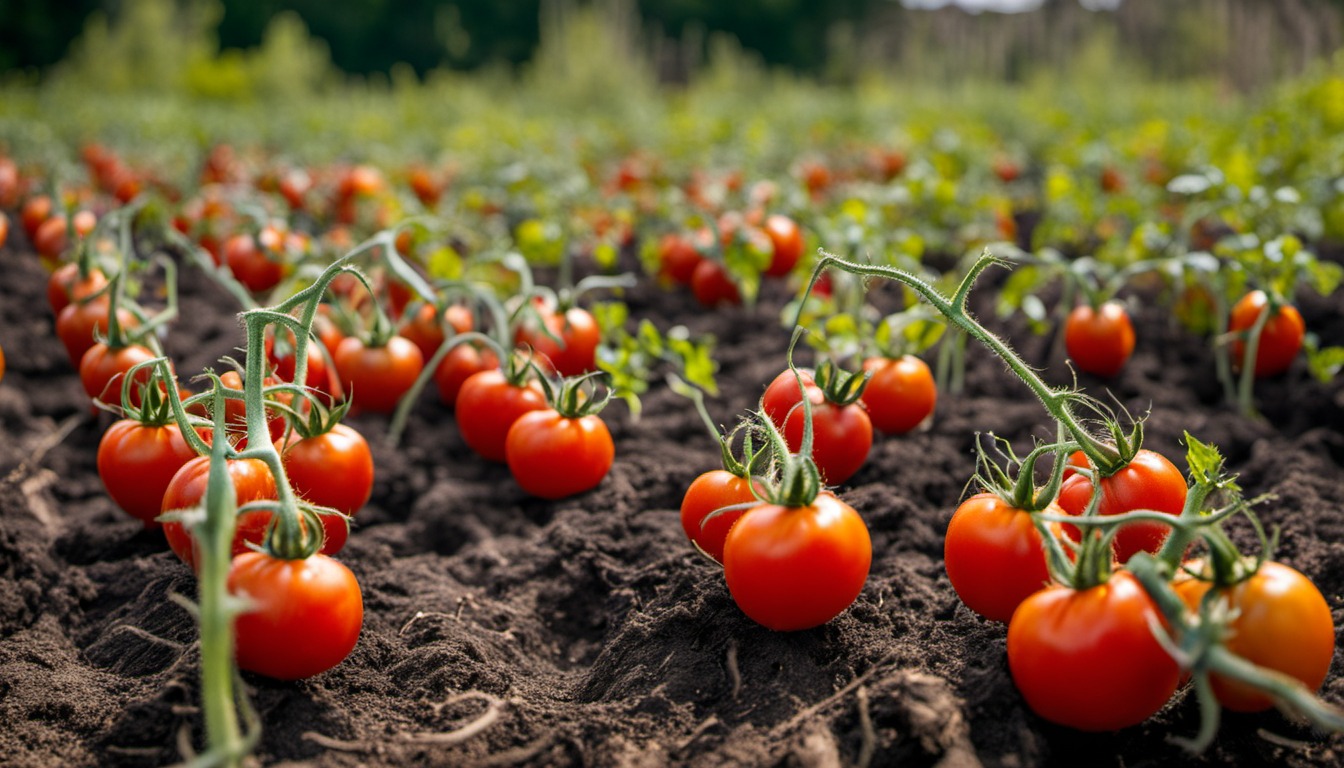
Diagnose before adding fertilizer
Flower drop or weak fruit set can accompany heat, cool weather, water stress or other problems. Record whether the plant has flowers, what the weather was like and whether the root zone is moist. The Texas home guide connects blossom-end rot with maintaining uniform soil moisture; a brown fruit end does not by itself establish that the soil lacks calcium. Inspect the plant and use a reliable diagnostic guide before applying a treatment. Harvest fruit regularly and remove fallen or diseased material.
Match plant habit to your space
A Texas A&M guide for the High Plains distinguishes determinate and indeterminate tomatoes: determinate types tend to concentrate production, while indeterminate types may require more support and care over an extended season. Check the actual variety and local recommendations; the High Plains guide is regional, not a statewide calendar. Choose a cage, stake and harvest plan that fit its growth habit.
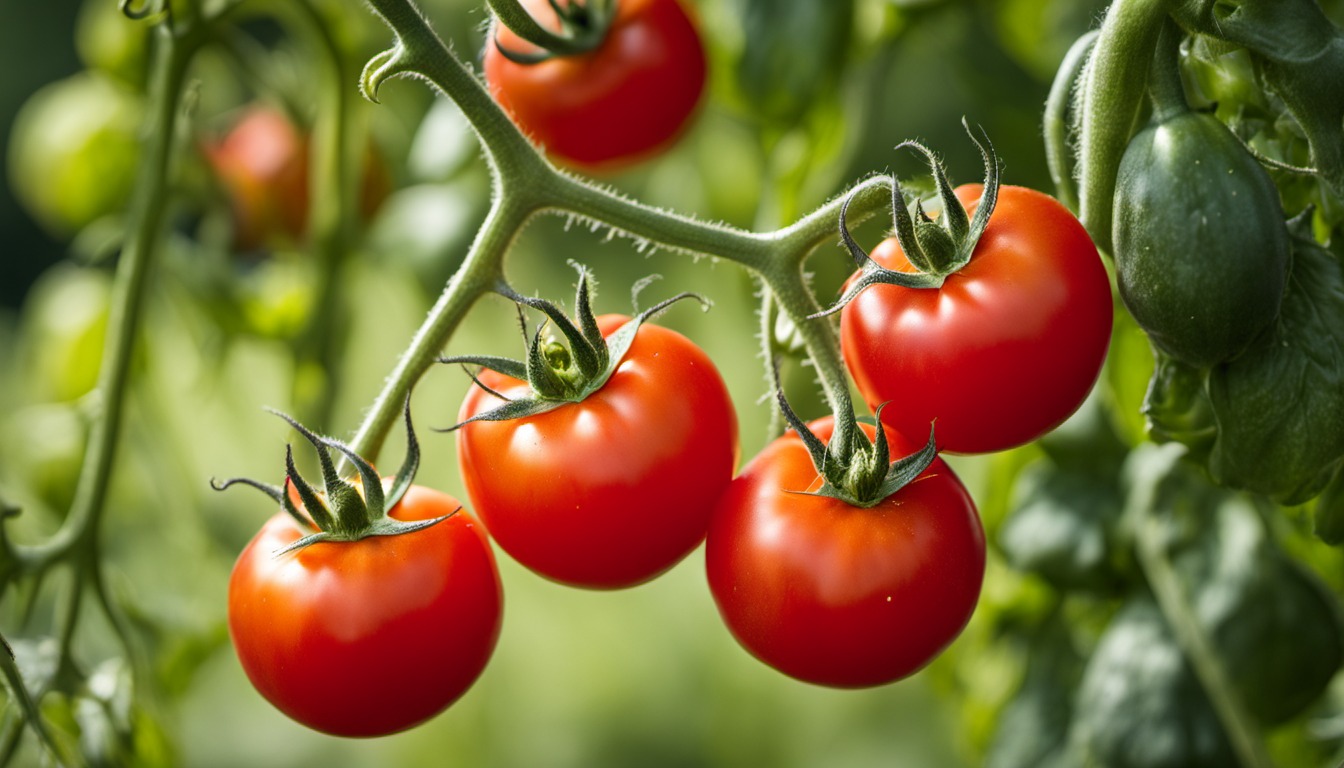
Interpret a local fall chart
Texas A&M’s fall guide gives tomato transplant dates that vary by region. Find your region before counting back for indoor seed starting and hardening off. A seed packet’s maturity number may start at transplanting rather than sowing, so verify the label. A late start may leave too little time for fruit before cold; consider the available window rather than simply moving a spring plan to autumn.
Inspect the watering pattern
After a measured run, look at soil beneath the canopy on both sides of the plant. A blocked emitter or runoff can leave one part of the root zone dry even though a timer ran. Mulch can reduce exposed soil, but it can also hide a failed outlet. Check the system, soil and recent rainfall before adding an amendment in response to stressed foliage.