Texas garden field guide
Growing Summer Squash in a Texas Garden
Summer squash grows quickly and can take more room than the seedling suggests. A well-spaced plant, frequent inspection and timely harvest are the foundation of a manageable crop.
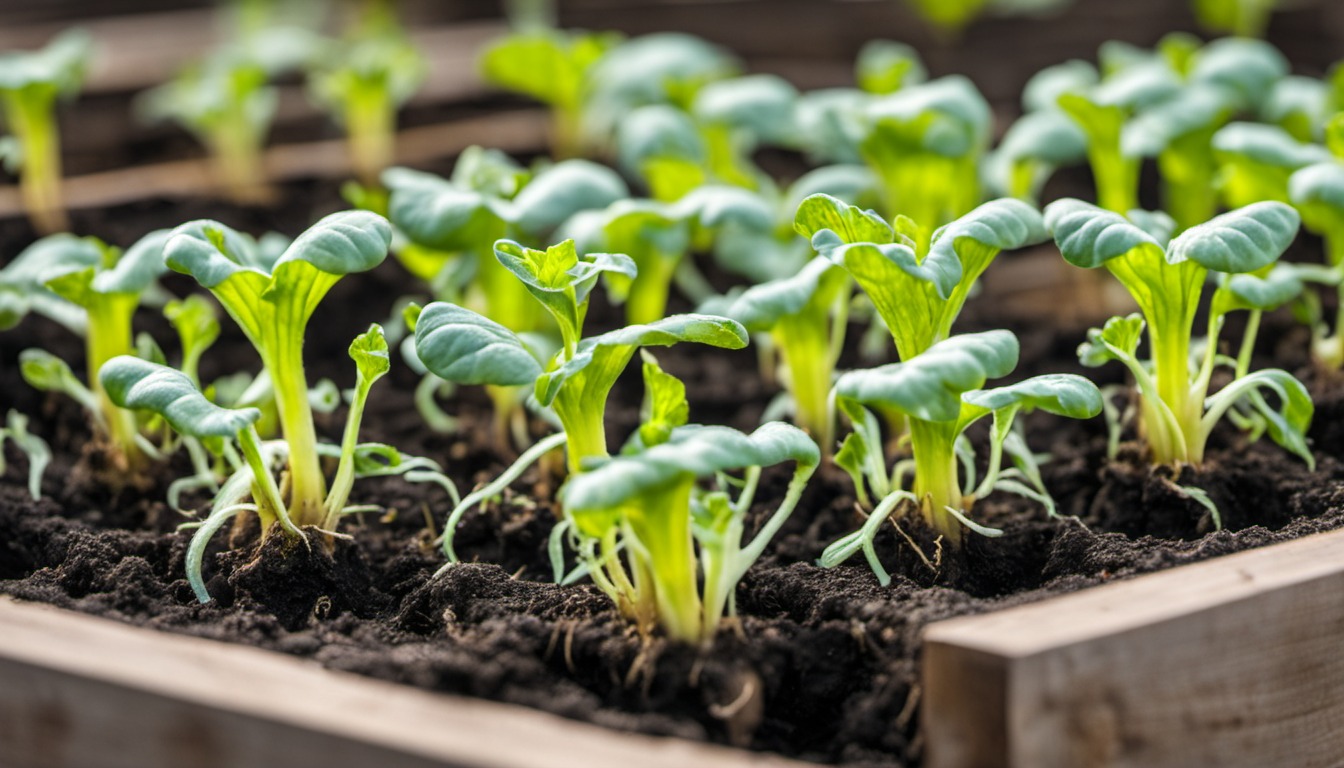
Budget space for the mature plant
Summer squash can grow quickly and broad leaves make a small planting look crowded later. Follow the variety’s mature spacing and leave a route to the center and stem base. Use a locally appropriate warm-season window and compare the packet’s maturity estimate with the time remaining before cold. Mulch can keep developing fruit off bare soil, while a measured watering setup helps you reach the root zone without soaking foliage unnecessarily.
Check the plant, not only the fruit
Squash bugs and vine borers leave different clues, so inspect leaf undersides and the base of stems. Note whether damage is limited to leaves or a whole plant suddenly wilts. Compare soil moisture with a healthy neighbor before watering the entire bed. A physical barrier may prevent some insects from reaching young plants, but it also changes temperature and can exclude pollinators when flowers appear. Identify the pest and adapt the barrier to the crop stage.
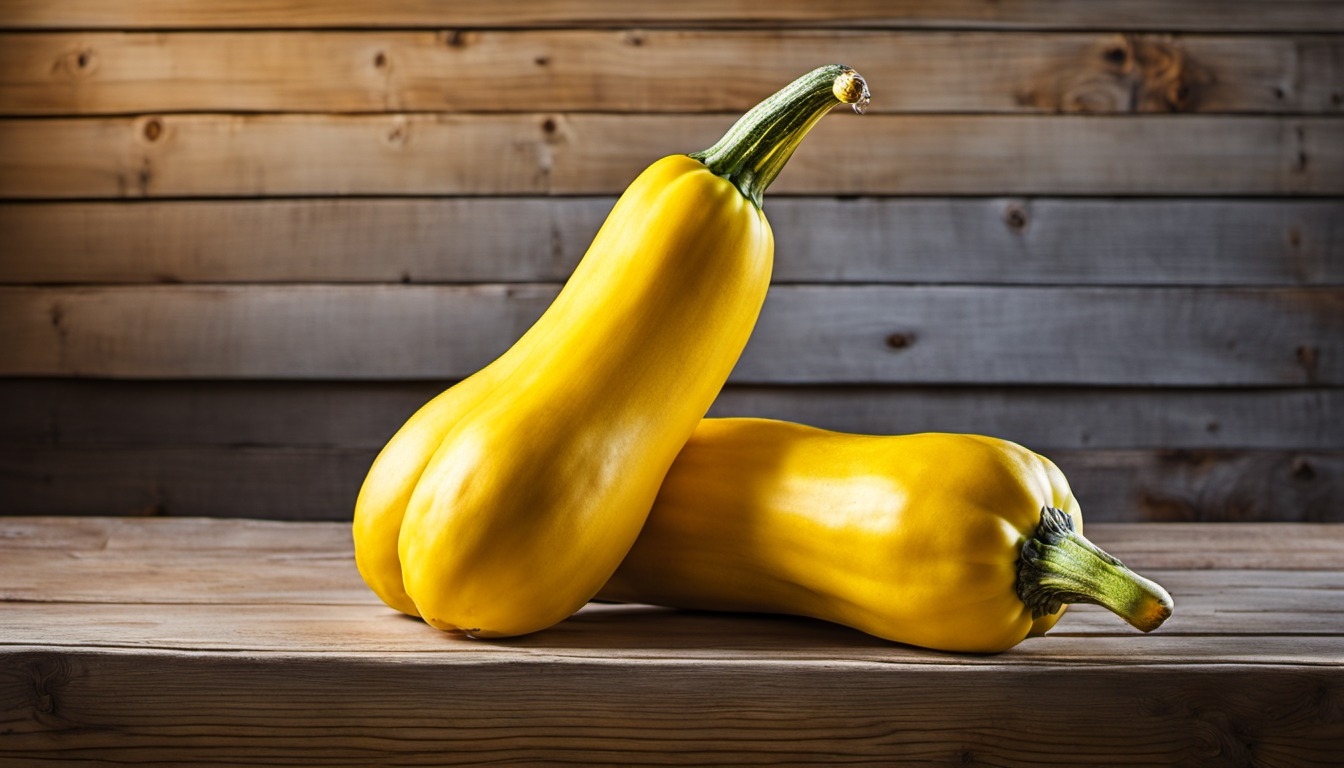
Harvest young and learn from the crop
Use clean snips to take fruit at the variety’s preferred tender stage and check beneath leaves frequently. If a tiny fruit stops developing, consider flower activity, recent weather and plant condition before diagnosing a nutrient problem. Remove damaged fruit and observe the next flowers. At the end of the crop, note the planting date, first picking and any pest pressure; this helps decide whether the same variety and window deserve space next season.
Compare a failed fruit with the next flower
If a small fruit stops developing, look for open flowers and pollinator activity, and consider the recent weather. One failed fruit does not establish a nutrient deficiency. Remove damaged fruit and observe the next flowers while keeping the root zone appropriately moist. If the entire plant wilts, inspect the stem base and soil as well as leaves; pests and watering problems call for different responses.
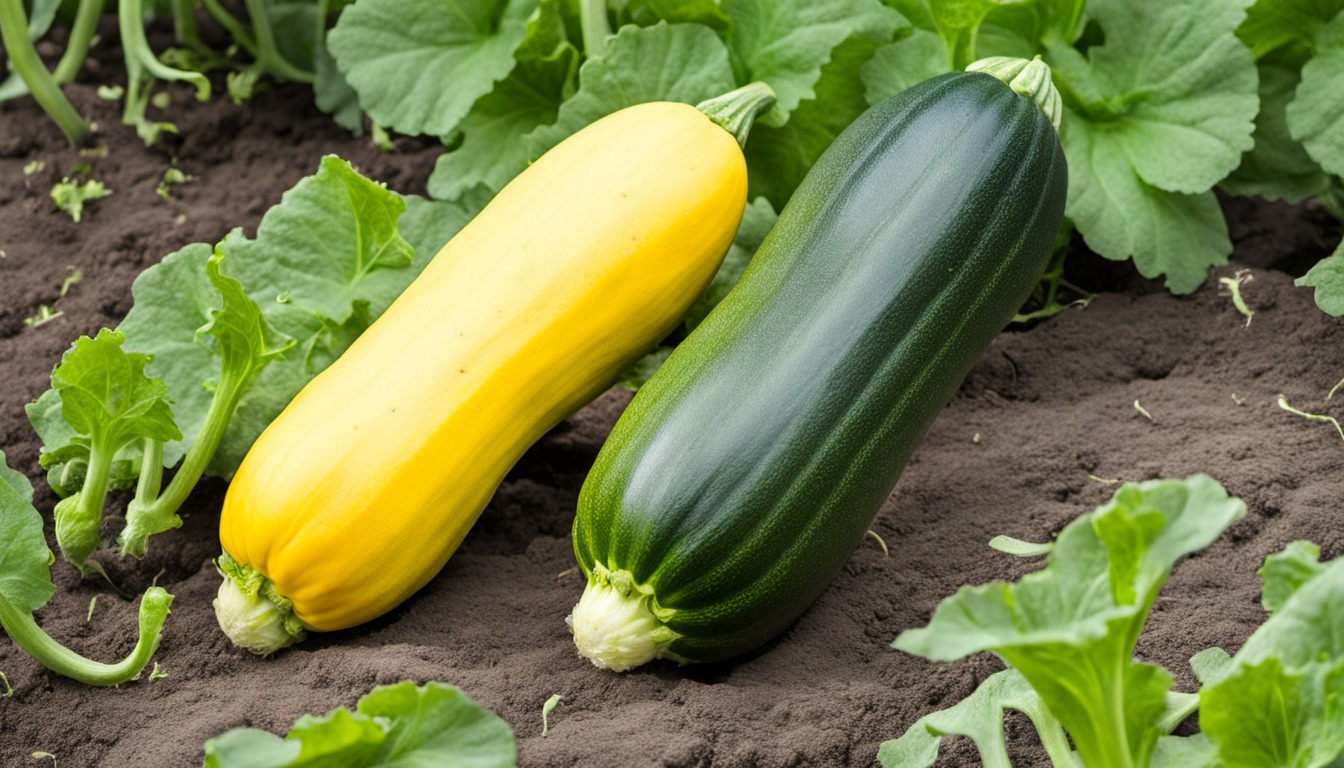
Leave room for turnover
The Texas home guide describes summer squash as a relatively quick crop, but its leaves occupy substantial space while it grows. Sketch the mature spread and a path before sowing. After the crop finishes, remove spent material and compare the next crop’s family and local planting window. Do not plan a second planting solely from an average harvest date.
Choose a manageable harvest
Texas A&M classifies summer squash among quicker warm-season crops, but a few productive plants can take up considerable space. Compare the packet’s mature spread with the bed and choose a number your household can harvest regularly. Keep a clear path to the stem base and flowers. For fall, use the regional chart and allow time for establishment and harvest before cold damages this frost-susceptible crop.