Texas garden field guide
A Practical Spring Vegetable Garden Plan for Texas
Spring in Texas can swing from warm afternoons to a sharp cold front. A reliable garden plan starts with a good site and a few crops that fit the local season, then makes room to change the planting day when weather disagrees.
Choose a site you can tend
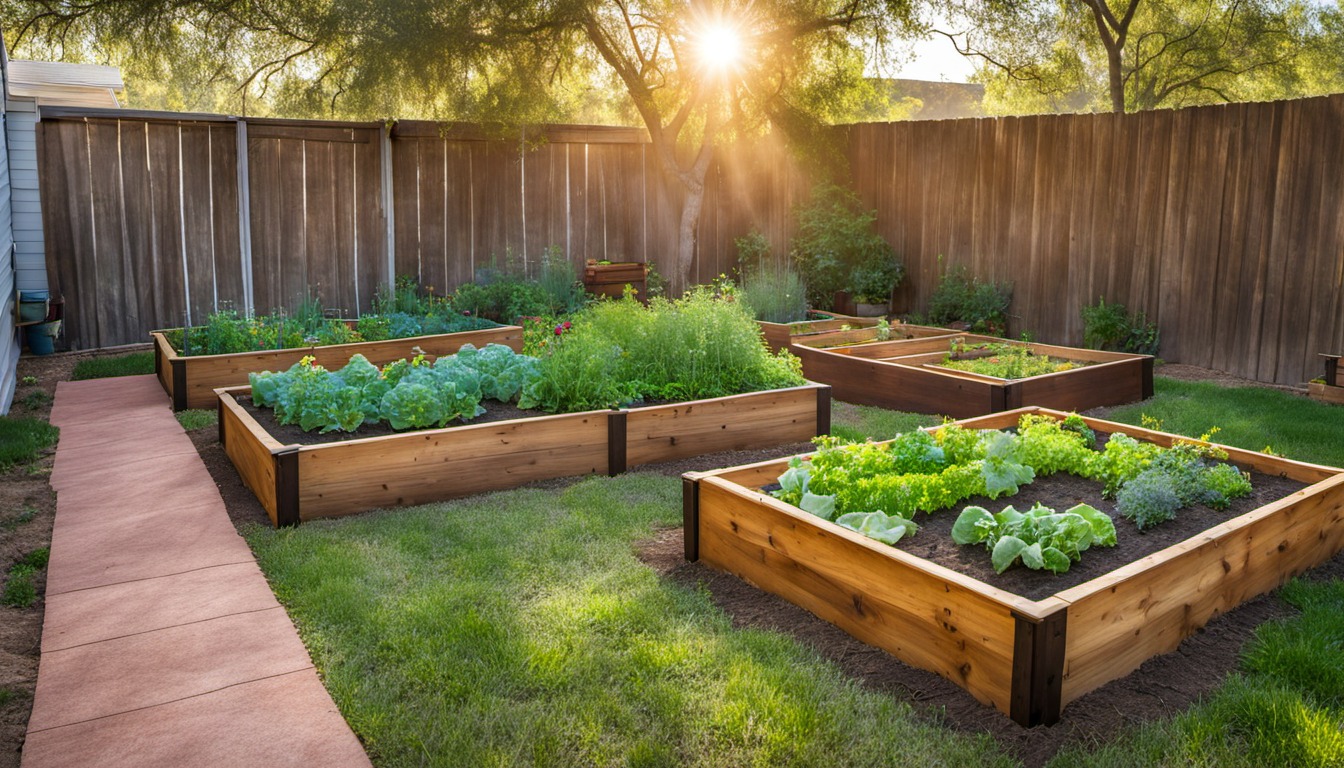
Watch the proposed bed through a clear day and note the hours of direct light. Texas A&M’s fall guide calls for at least eight hours for its vegetable garden site; some leafy crops tolerate less, but fruiting vegetables generally benefit from the sunniest available spot. Choose a place near a water source with good drainage and enough room to reach the center.
Separate cool and warm crops
A cool-season planting and a tomato transplant do not share one safe date. Use your county extension calendar, then compare its windows with the forecast and soil temperature. A frost average is a probability reference, not an all-clear signal. Keep row cover available for a late cold front.
Prepare before buying plants
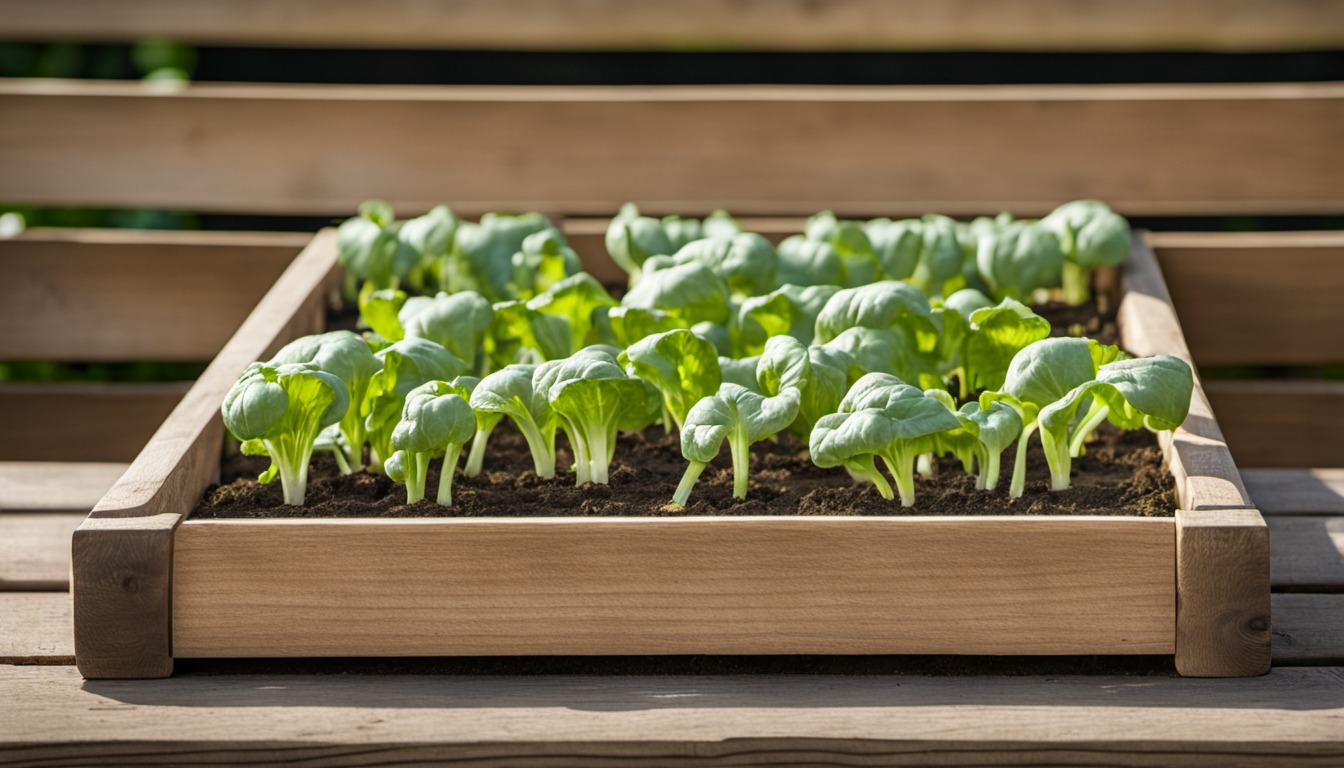
Draw a bed plan before choosing quantities. Place tall crops such as staked tomatoes and okra where they will not shade shorter ones, leave paths for maintenance, and group crops with similar maturity periods. Wait until soil crumbles rather than sticks to tools before working it. A soil test gives a better basis for fertilizer choices than guessing from leaf color.
Try a two-bed schedule
Give one bed to locally timed cool-season greens and reserve a second for warm-season transplants. That avoids pulling useful greens early merely because a tomato is ready. Mark the intended transplant date in pencil and keep a small tray of starts in a sheltered place if the forecast turns cold. Water plants before a move, but do not set them into saturated garden soil.
Buy or start plants at the right stage
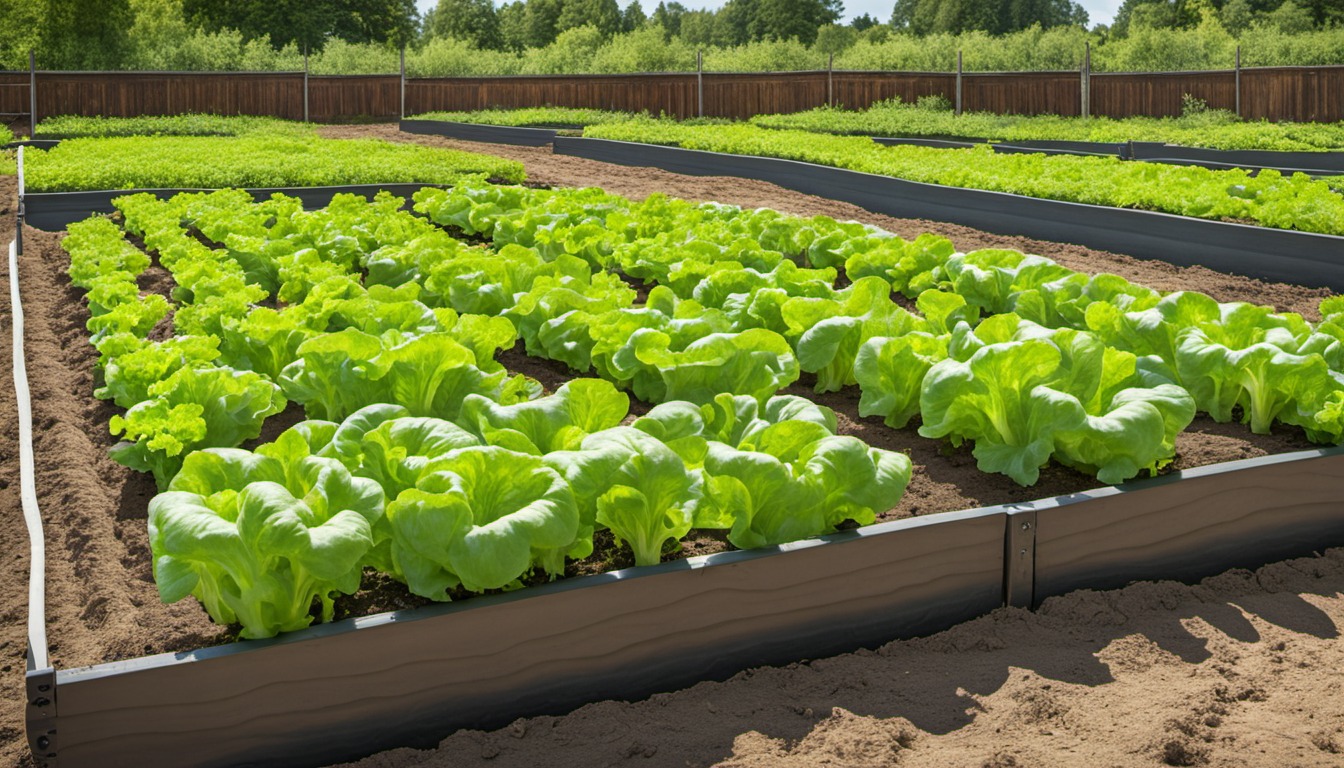
Work backward from a locally appropriate transplant window when starting seed indoors, and allow days for gradual outdoor acclimation. A tray started too early may produce crowded, root-bound plants while you wait for suitable weather. When buying starts, look for sturdy growth and check the label for mature size and the variety’s requirements. Have the bed and support ready before bringing plants home. If the forecast turns cold, keep the starts sheltered and cared for instead of planting to meet a date on paper.
Read the seed packet before planting
Compare the crop’s start method, planting depth and mature spacing before using the same schedule for every packet. A transplant requires indoor growing time and gradual outdoor acclimation; direct-sown seed needs a prepared, moist seed zone at the correct depth. Days to maturity are estimates, and some packets count from transplanting rather than sowing. Record the variety and date separately for each row so a late or uneven emergence has a useful reference.
Check the seed row during emergence
A direct-sown row needs a different first-week routine from a transplant. Mark its ends, water gently so seed stays in place and follow the packet depth rather than burying seed more deeply when the surface looks dry. Check the packet’s expected germination time before deciding it failed. If the row crusts or seed washes out, correct the watering method and label any second sowing with its own date. Confirm that the local window still has room before replanting.
Set out healthy transplants
Water the root ball before planting and place a support for tall crops while roots are small. In the first days, check the original root ball as well as the surrounding soil: they may dry at different rates. If a cold front arrives, delay a tender crop or use appropriate protection after checking the forecast. A frost average is a planning anchor rather than a guarantee. Record the actual transplant date and the variety, so harvest timing has a useful reference.