Texas garden field guide
Growing Peppers in a Texas Home Garden
Peppers need a warm, frost-free growing period and a patient gardener. Start with healthy transplants and a local planting window, then maintain steady soil moisture while the plants establish.
Pick a variety for how you will use it
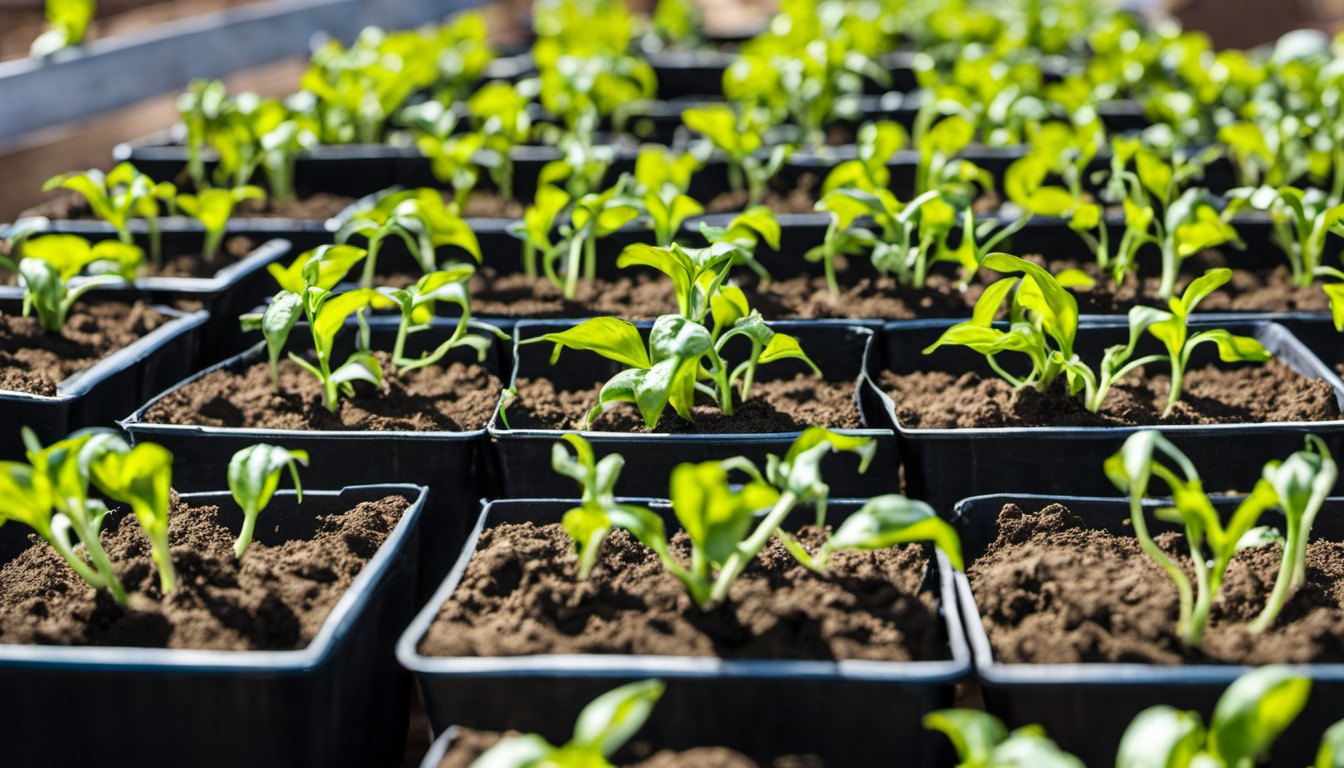
Compare the mature plant size, days to maturity and whether fruit is sweet or hot. The Texas fall guide lists both bell and hot pepper examples, but a local extension office can suggest choices for your area. Label types separately, particularly if several peppers look alike when green. Plan support and access before planting; a small transplant can become a broad plant carrying heavy fruit. Choose a number of plants you can harvest and use.
Give a fall transplant a strong start
Texas A&M recommends transplants for fall peppers. Prepare the bed before planting, water the root ball and check it separately from the surrounding soil during the hot establishment period. A cell-shaped root mass can dry even when adjacent soil feels damp. Temporary shade may reduce stress at first; adjust it as conditions change so the fruiting plant still receives suitable light. Avoid setting out a plant into saturated soil or adding fertilizer directly against roots.
Read the fruit and the plant
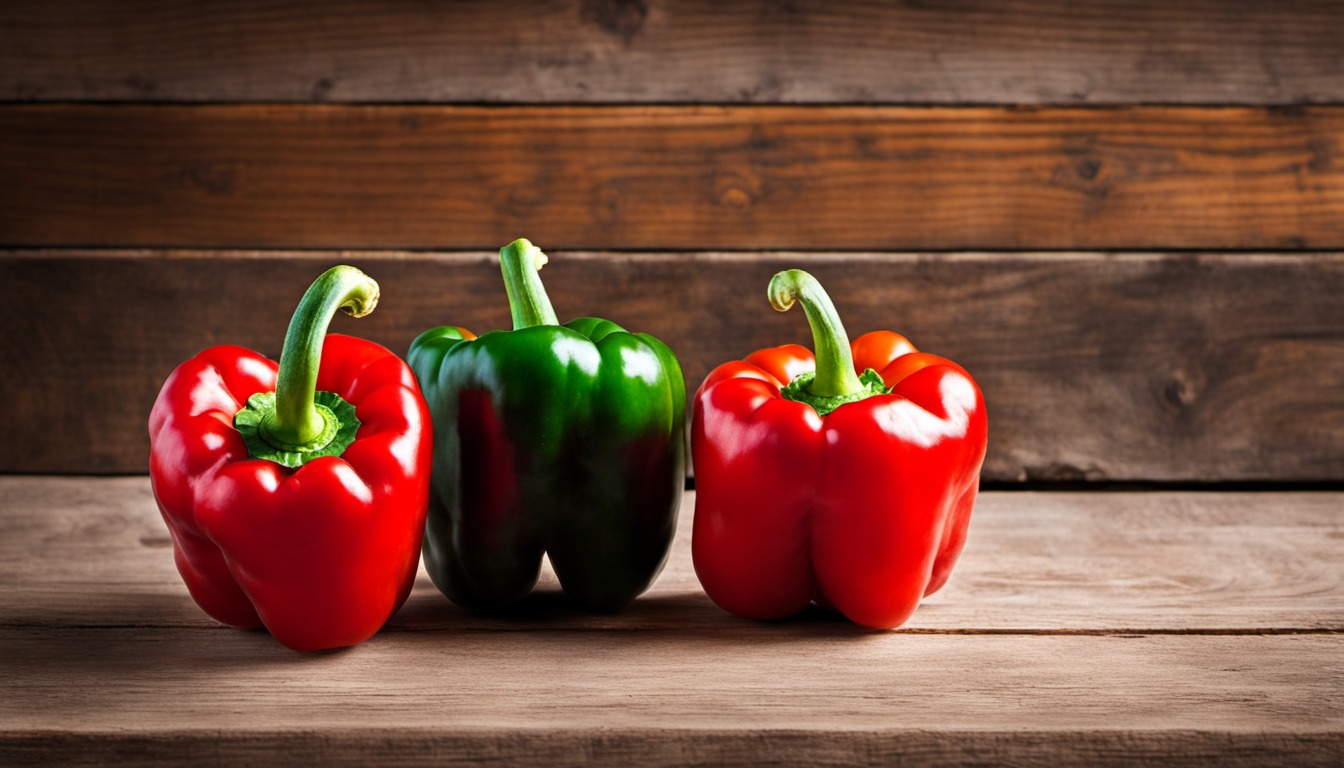
Peppers can be picked green or allowed to change color, depending on the variety and desired use. Use clean snips rather than pulling hard on branches, and wash hands and tools after handling hot fruit. If leaves wilt, inspect soil moisture before watering; if flowers drop during a hot spell, record weather and plant condition rather than adding fertilizer automatically. Keep the harvest dates and variety label so next season’s choice reflects what actually grew and tasted good.
Plan a fall crop from the transplant date
Texas A&M’s fall chart gives different regional dates and recommends transplants for peppers. If starting seed indoors, count backward from the local transplant window and allow time to acclimate plants outdoors. Prepare the bed and support first. A tender transplant planted into late-summer heat has a small root zone; temporary shade can help establishment, but check light and remove or adjust it as conditions change.
Choose a harvest stage
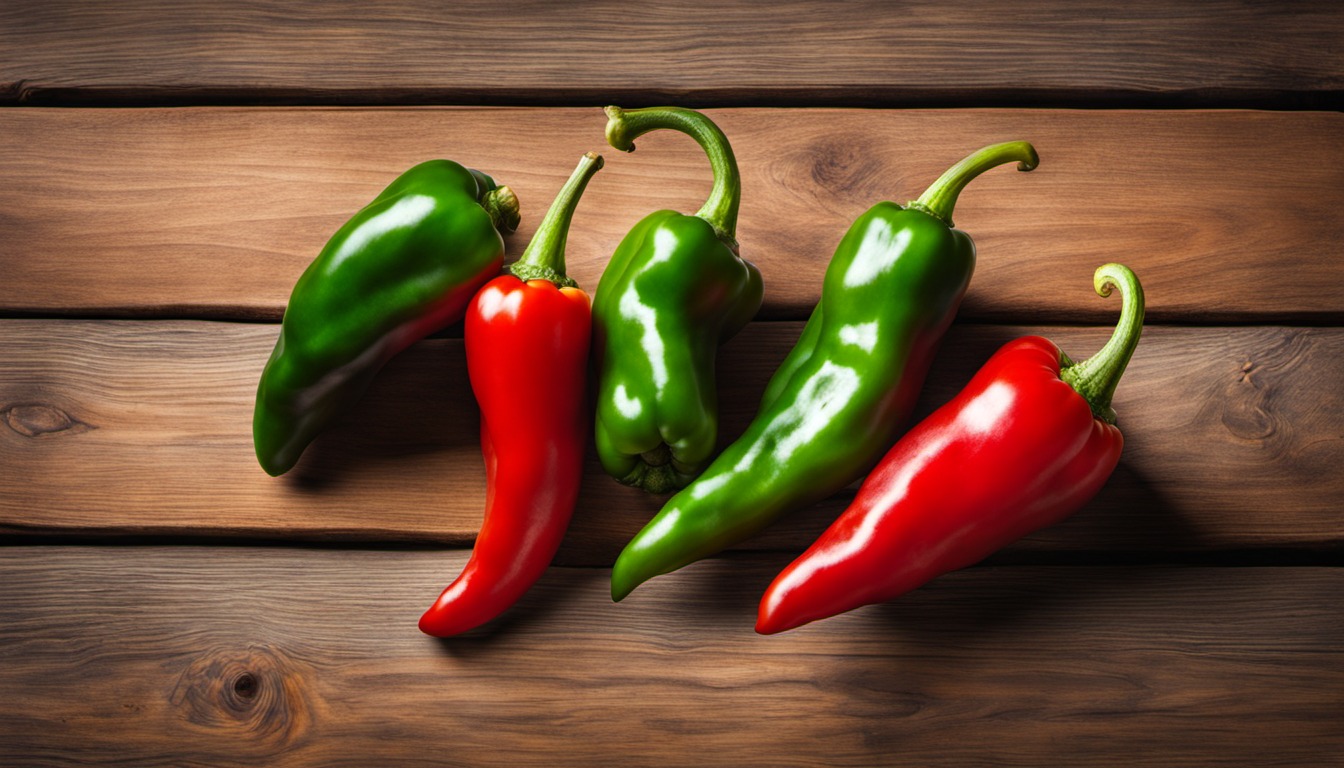
The same variety may be picked green or left longer to change color. Check the label for the expected mature fruit and decide how you will use it. Use clean snips to avoid breaking branches, and label sweet and hot plants separately. After handling hot peppers, wash hands and tools before touching eyes or other food. Regular harvest and a clear path around the plant make it easier to spot damaged fruit.
Investigate stress before changing inputs
If a plant wilts, check its root ball and surrounding soil; one may be dry while the other is moist. If flowers drop, consider recent heat, moisture and plant condition before adding fertilizer. Check leaf undersides for insects and use local extension identification help when symptoms are unclear. Record the variety, transplant date and first harvest to compare with next year’s local window.