Texas garden field guide
Keeping a Texas Vegetable Garden Going in Summer Heat
Summer heat changes the garden’s workload. Before reaching for more water, check what is happening below the surface, which crops are still growing well, and where shade or a pause in planting would be more useful.
Protect the root zone
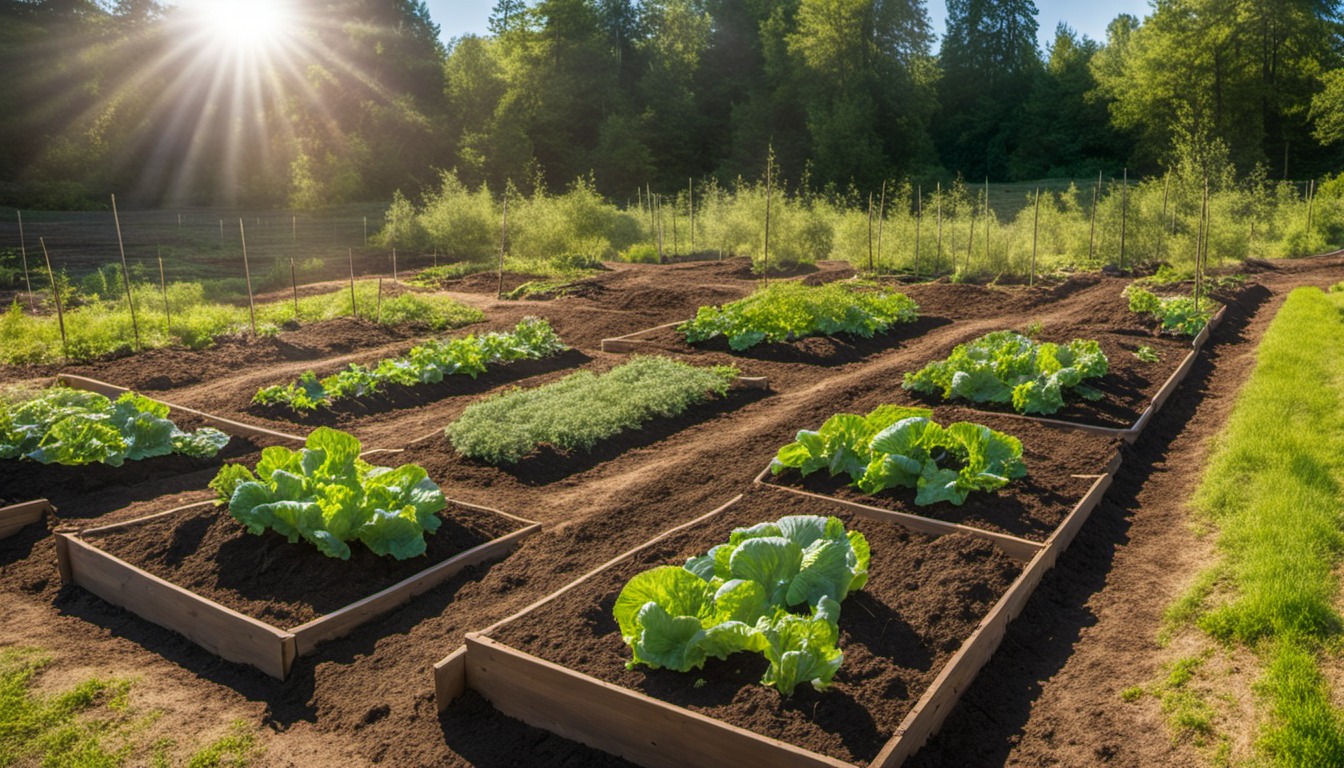
Mulch can conserve moisture; Texas A&M suggests roughly one to two inches of organic mulch around vegetables, kept clear of stems. Use a rain gauge and check root-zone moisture before watering. Sandy soil and a mature fruiting crop may need attention on different schedules from clay and young plants. Check how deeply water penetrates and split a run if it flows off the bed before soaking in.
Use shade with a purpose
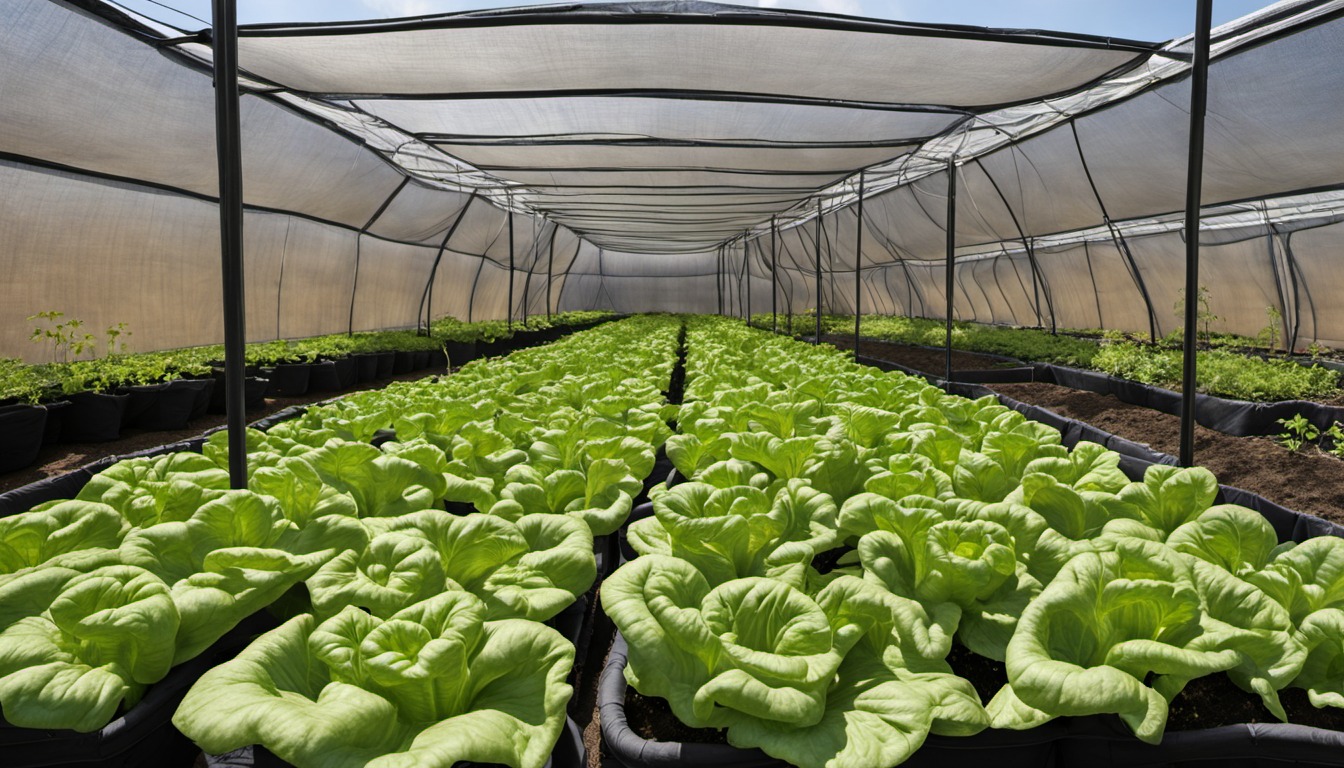
Temporary shade cloth can reduce exposure for newly planted crops and tender greens. Secure it above the plants and leave room for air movement. Too much shade can reduce light for fruiting plants, so observe the crop and adjust rather than leaving the same cover in place indefinitely.
Decide what earns its space
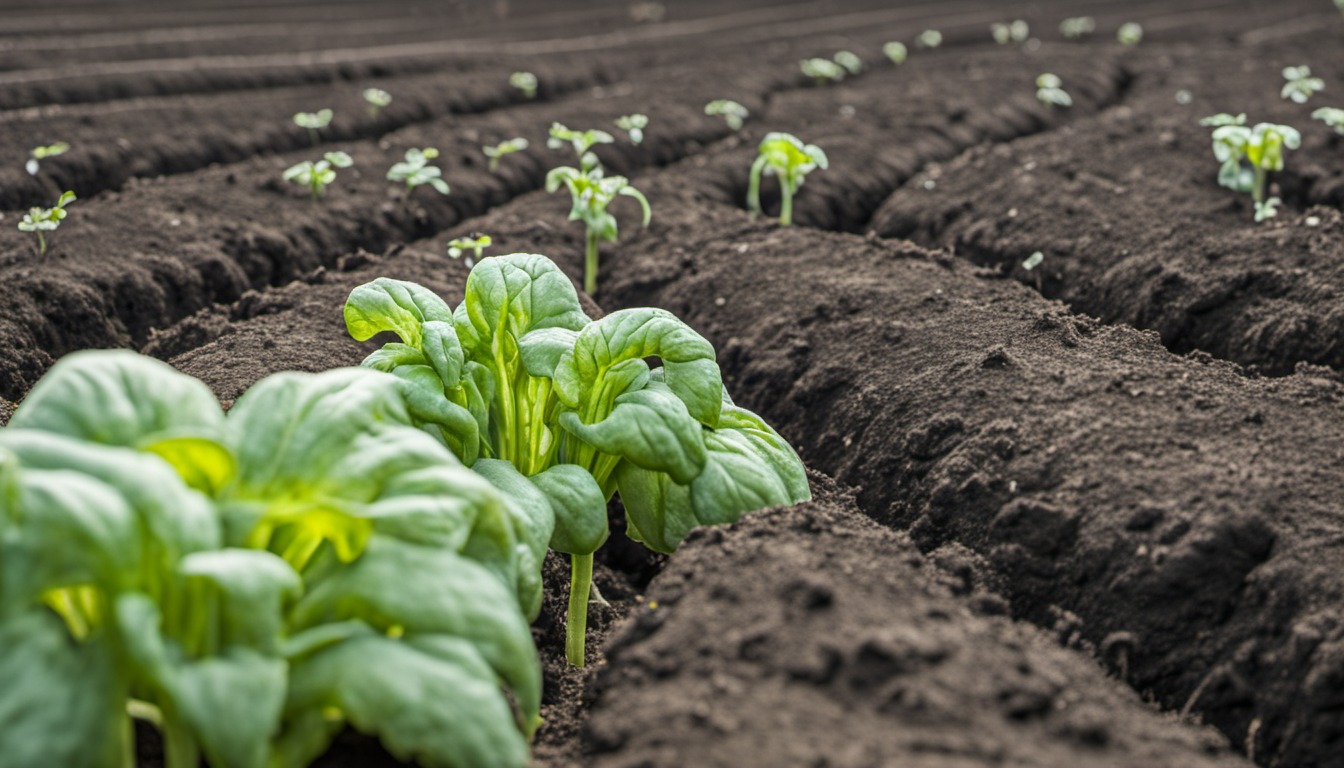
Some warm-season crops keep producing when cool-season greens bolt or turn bitter. Harvest promptly, remove badly declining plants, and reserve a bed for the fall transition. Keep notes on varieties that continued to produce, and compare them with local extension recommendations before buying more seed.
Check irrigation before increasing it
Run the system briefly and look for clogged emitters, loose connections and dry spots. Dig gently beside and between drip outlets after a measured run to see where moisture actually went. If the soil absorbs water slowly and a puddle forms, divide the application into shorter cycles and check again. A timer cannot detect a blocked outlet or a recent rain unless it is designed and configured to do so. Follow current local restrictions and use the garden’s soil conditions to adjust an allowed schedule.
Manage containers separately
A pot has a smaller root zone and its sides are exposed to the air, so it can dry on a different schedule from an in-ground bed. Check the mix below the surface and water slowly enough to wet the root ball. Make sure excess can drain; leaving a container in standing water is not a substitute for a reliable watering plan. Watch reflected heat from paving and walls. If a pot must move to a brighter or more sheltered spot, adjust gradually and observe how the plant responds.
Prepare the fall handoff
A bed resting under mulch can be useful space for a later crop. Record the date the current planting finishes, remove weeds and spent material, and inspect any irrigation before foliage from the next crop covers it. The Texas fall guide separates crops by frost tolerance and planting region. Use that guide to decide whether to start transplants, sow in the bed or wait. New transplants have limited roots at first, so arrange a way to check them closely during establishment.
Investigate persistent wilting
A wilt that persists in moist soil is a reason to examine the plant rather than automatically increase irrigation. Compare affected and healthy plants, inspect the stem near soil level and look for root damage or a blocked emitter. Record whether the problem is isolated or spreading, and seek an extension diagnosis if you cannot identify it. A symptom alone does not establish a disease or nutrient deficiency. Avoid adding several products at once; doing so can obscure the cause and create another stress.