Texas garden field guide
Mulching a Texas Vegetable Garden: Materials and Depth
Mulch makes bare soil less exposed to sun and can reduce weeds and moisture loss. Its usefulness depends on applying the right material at the right time and checking the soil underneath rather than treating mulch as a substitute for watering.
Compare the available materials
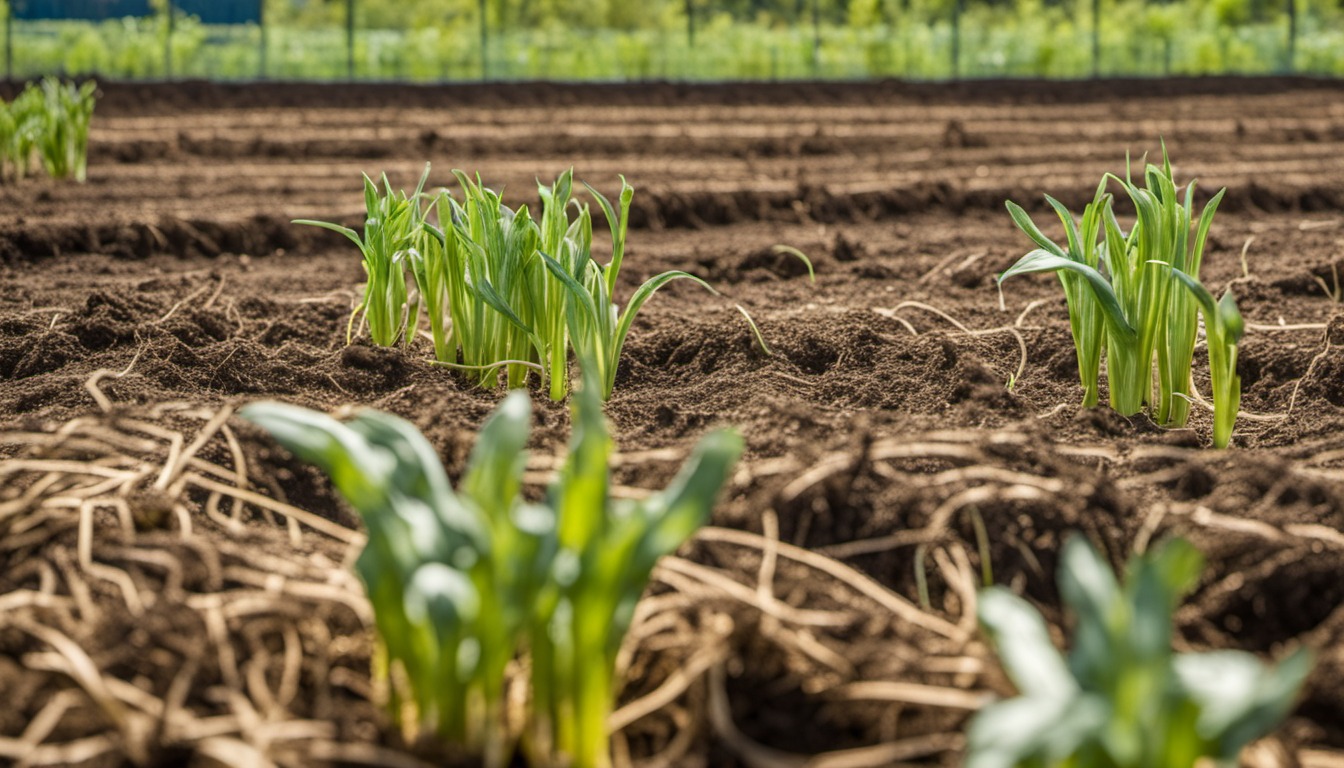
Texas A&M lists straw, leaves and compost among organic mulches, but their texture and settling differ. Ask where the material came from and avoid unwanted weed seed or contamination. Shredded leaves may mat if packed thickly, while coarse material can leave more open gaps. Use a manageable layer and see how water enters your particular bed. Keep material away from stems and crowns, and do not bury emerging seedlings. The best choice is the one you can obtain cleanly and maintain.
Plan around seed rows
Mulch established transplants first and leave newly sown rows visible until the seedlings are large enough not to be smothered. Mark the row ends so a later watering or weeding visit does not disturb shallow seed. When the plants are established, cover the exposed soil between them while keeping a clear space at their bases. If an irrigation line sits underneath, check its outlets before covering and inspect the soil afterward; mulch can hide a blocked emitter.
Use a practical quantity estimate
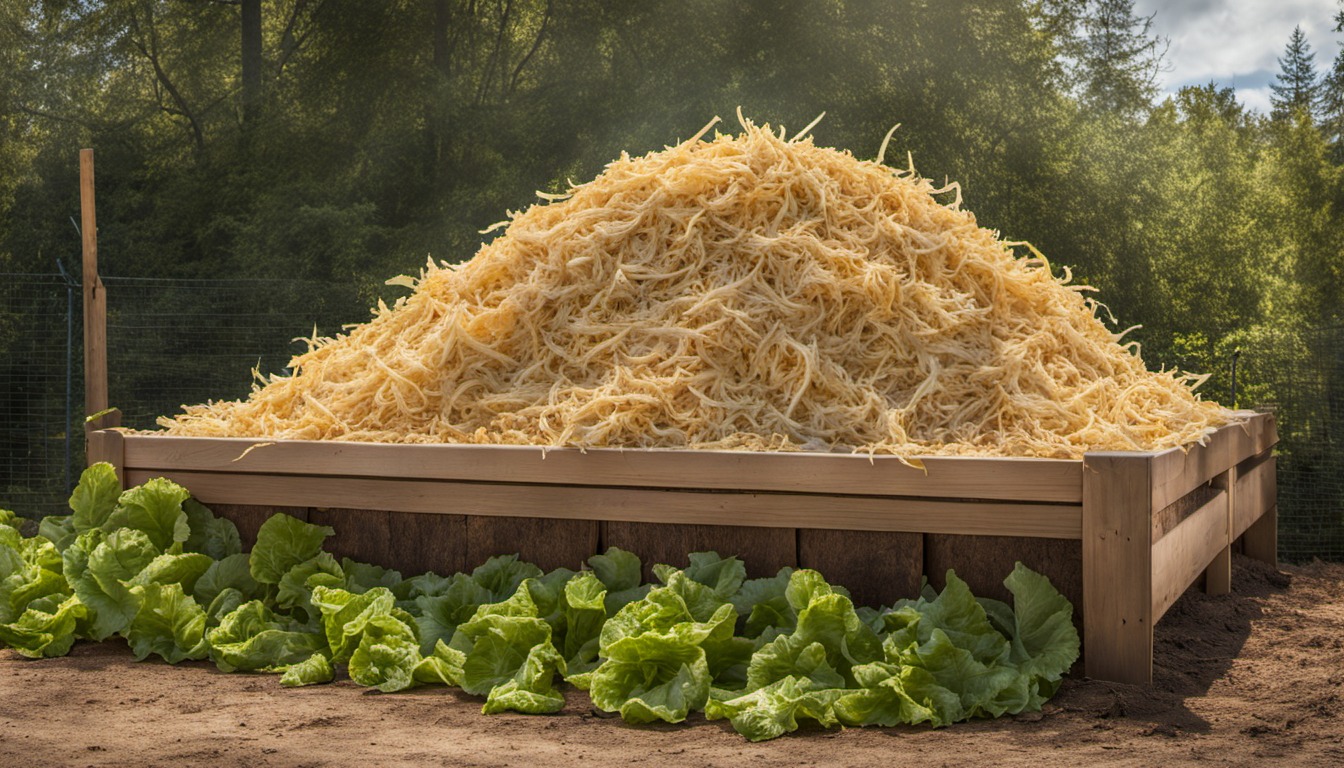
Measure only the area to be covered and choose the intended depth. Texas A&M suggests one to two inches of many organic mulches around vegetables. At two inches, a two-cubic-foot bag covers roughly 12 square feet before settling, so a 32-square-foot bed needs about 5.3 cubic feet, or three such bags. Plant openings reduce the area, while settling and uneven ground may increase what you need. Keep the bag volume and actual usage for the next purchase.
Inspect after weather changes
After a storm or wind, redistribute material that moved and pull back any that has accumulated against stems. Lift the mulch in several places to check soil moisture and young weeds. If water runs across a compacted or matted layer, loosen it and check whether the soil beneath was wetted. At the end of a crop, separate diseased material and decide whether clean mulch can remain for the next planting. Add a fresh layer only where the surface needs it.
What mulch does for a bed
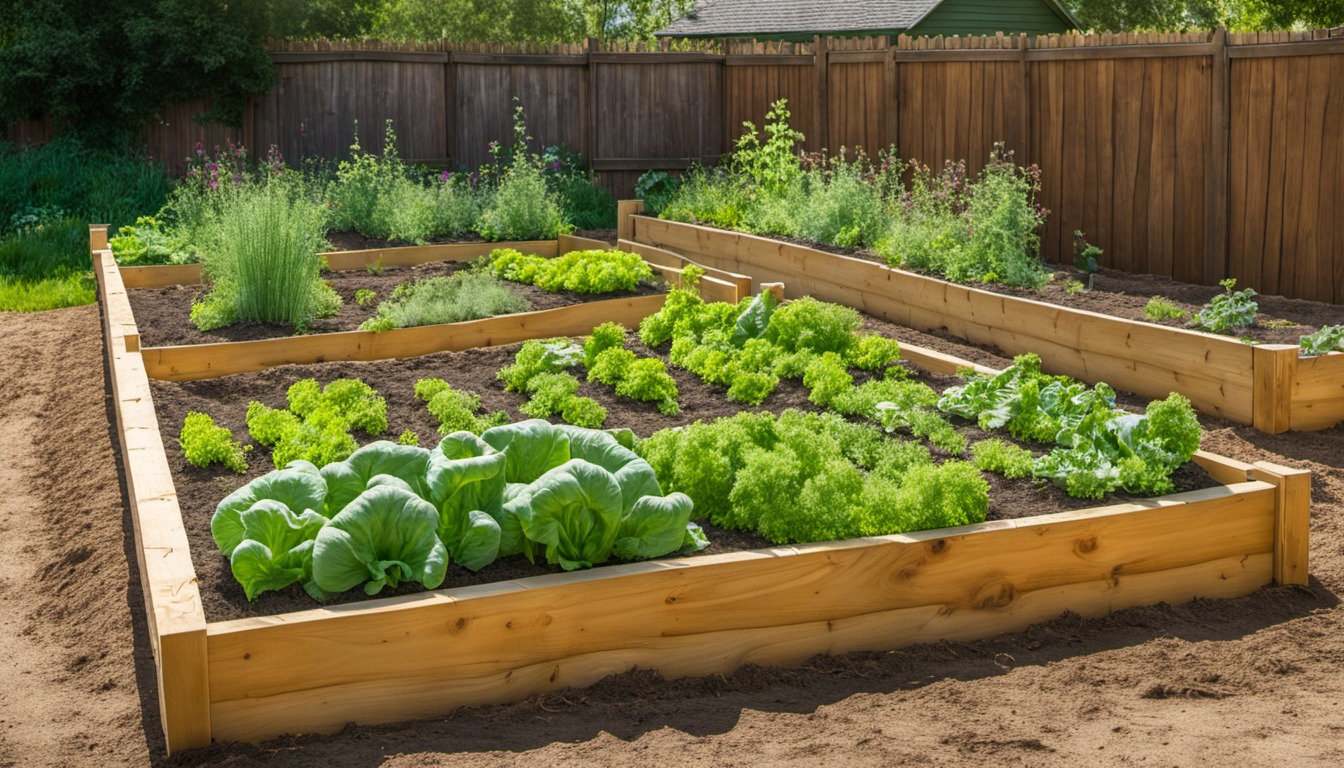
A layer on the soil surface reduces exposure to sun and the impact of rain. Texas A&M notes benefits for moisture conservation, weeds and keeping produce off bare soil. Organic materials break down over time; they are not the same as incorporating an amendment into the root zone. Mulch also has limits: it does not make irrigation uniform or identify a plant problem. Keep a clear area around stems and check the soil beneath it when deciding whether to water.
Time the layer to the crop
Early spring soil can warm more slowly beneath organic mulch than bare ground. University of Minnesota Extension advises waiting until soil has warmed before applying organic material for crops that need warmth. That advice concerns soil temperature, not a universal Texas date: measure or use local guidance for the crop. In a bed containing transplants and direct-sown seed, mulch in stages so small seedlings remain visible and light reaches them. Do not pile a thick mat against crowns.
Keep a path and a bed distinct
A vegetable bed may be replanted several times, while a path is walked repeatedly. University extension guidance describes straw as useful for vegetable gardens and longer-lasting wood chips or bark as more suited to trees, shrubs and perennial beds. Choose material according to the job and how easily it can be managed at replanting. Keep the growing surface accessible without stepping on it, and remove weeds before covering them rather than expecting mulch to erase an established weed problem.