Texas garden field guide
Plan Drip Irrigation for a Texas Vegetable Bed
Drip irrigation puts water near the root zone and keeps much of the foliage dry. A useful setup starts with the bed’s layout and a measured flow rate, then gets adjusted using actual soil moisture.
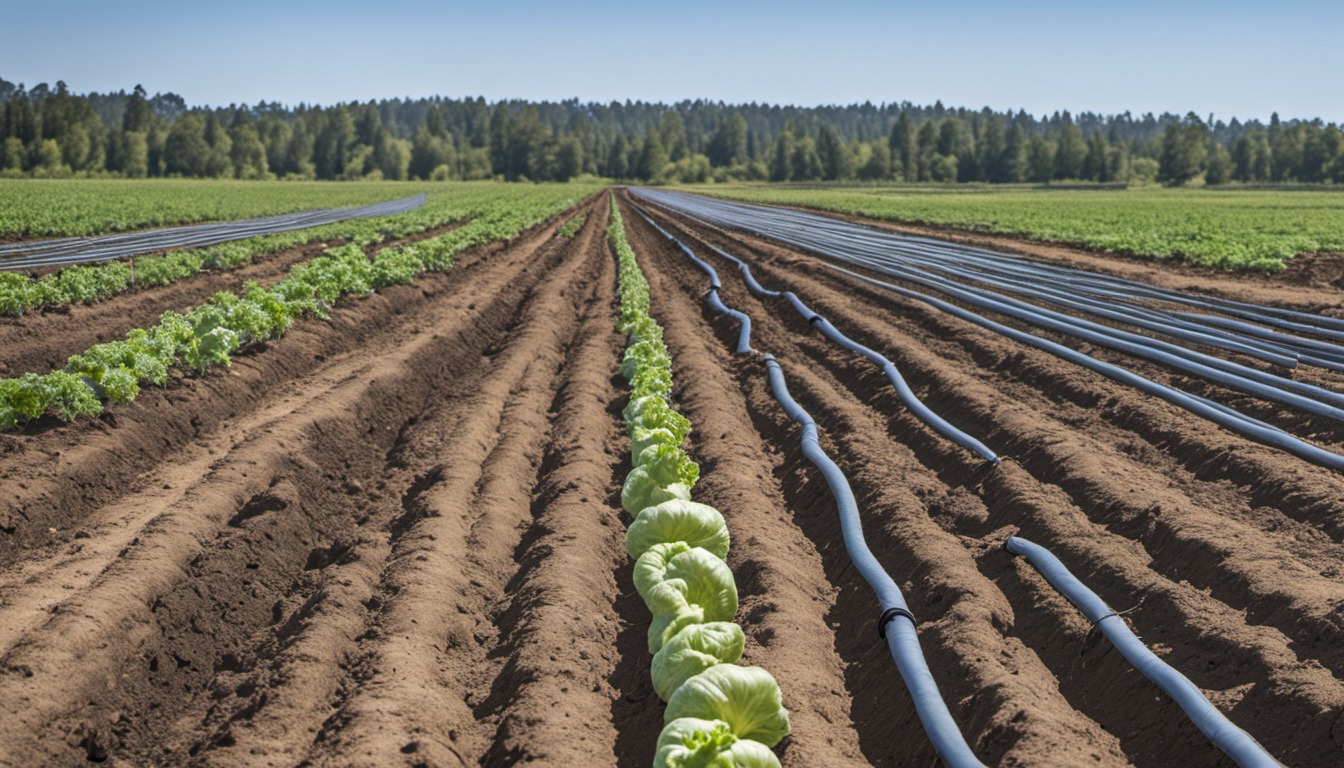
Plan by zone, not by emitter alone
Draw the beds, the water source and every branch that runs at the same time. An emitter’s rated flow is measured under specified conditions; the operating flow depends on the assembled system. Measure the actual zone, including all open outlets, before using the time calculator. If two beds share that zone, the water volume is shared too. Ask the equipment supplier about filtration, pressure regulation and backflow protection that fit the system and local requirements. Keep valves and fittings accessible for inspection.
Test distribution and adjust
After a trial run, carefully inspect soil next to and between emitters and at both ends of the line. Sandy soil may carry water downward faster than sideways; a heavy soil may absorb it slowly enough that runoff appears. Move or add outlets if a root zone is missed, and split the cycle if water pools. A longer run does not cure a blocked emitter. Check the line again after moving mulch or changing crops, and let rainfall and current local restrictions inform the schedule.
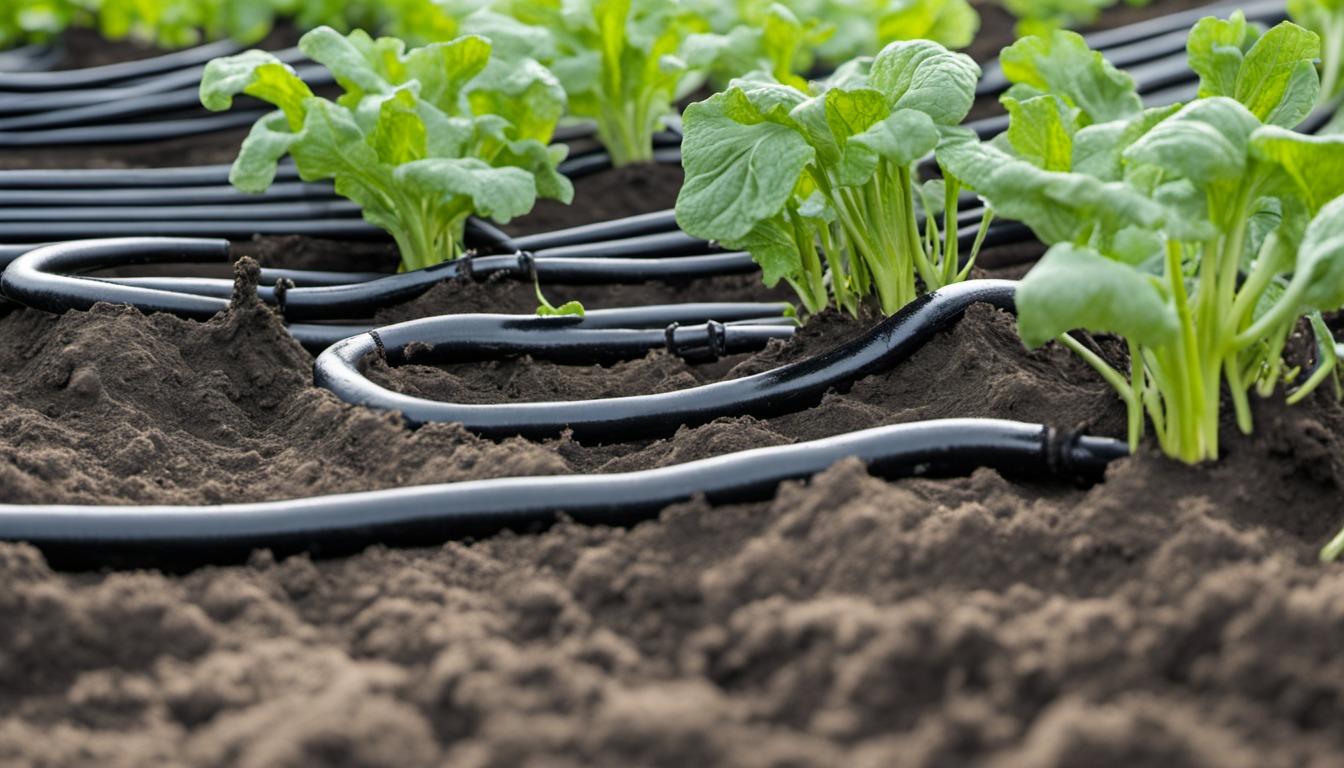
Estimate a target without mistaking it for a prescription
An inch over one square foot is approximately 0.62 gallon before losses. For a 32-square-foot bed, that is about 20 gallons for one inch, but the crop, soil, rainfall and season determine whether that is needed. If a measured zone delivers 30 gallons per hour, 20 gallons corresponds to about 40 minutes. Verify the wetting pattern and actual soil moisture; the calculation alone does not show how evenly the water reached the roots.
Maintain the system
Check for leaks, blocked emitters and uneven wetting. Flush and maintain components according to their instructions, and protect the system during freezes. Follow your local watering restrictions, which may change during drought. Record the settings that actually worked in your bed.
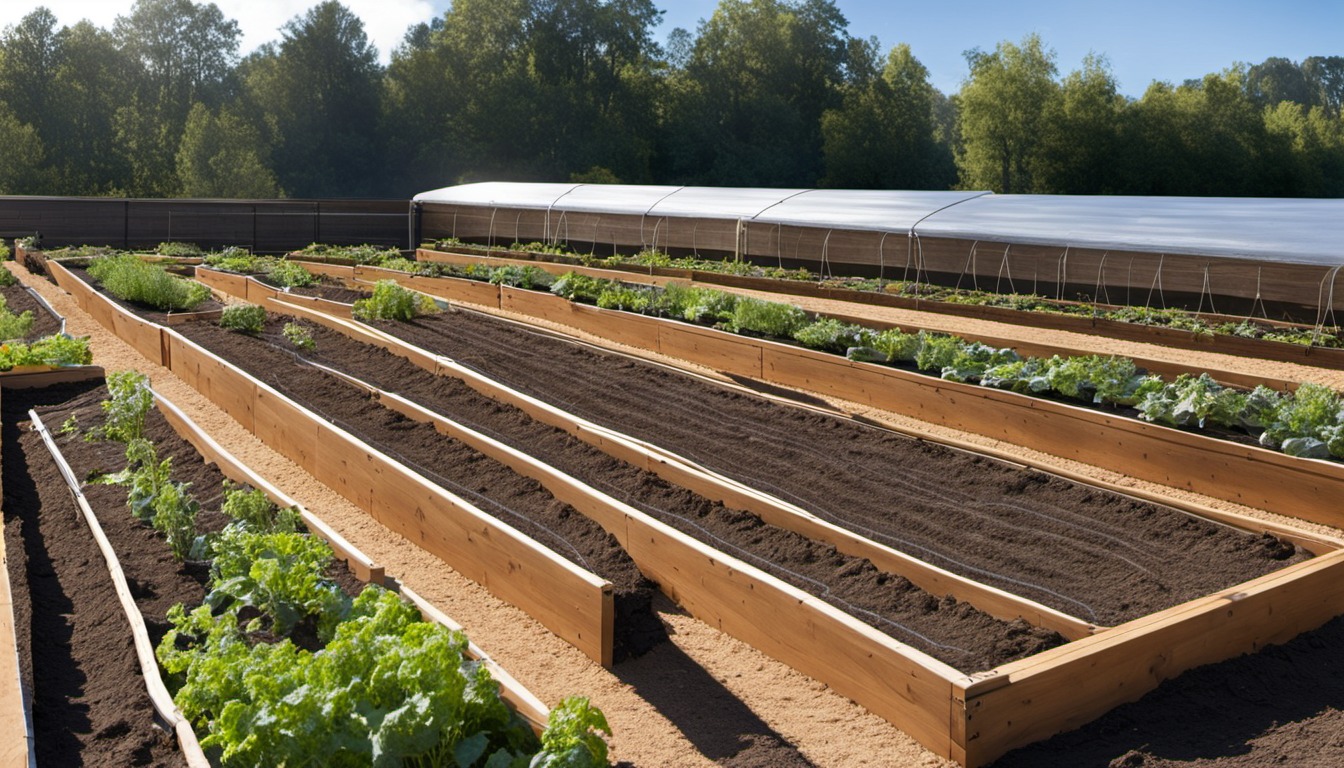
Calculate a rainfall shortfall
Suppose a 32-square-foot bed has a chosen one-inch target and you estimate that half an inch of rain reached the bed. The remaining half inch is roughly 10 gallons before losses. This is arithmetic, not a universal weekly prescription: a brief downpour may run off, and a covered or sheltered bed may receive less rain than the gauge. Check soil at root depth and adjust for crop stage, soil and local watering restrictions.
Spot a maintenance problem
If one end of a line is dry, look for a kink, leak or blocked emitter before changing the timer. Flush and maintain components according to their instructions and measure the zone again after adding outlets. A watering schedule is only meaningful if the equipment works. Protect exposed equipment during freezes and keep a sketch of the lines so digging or replanting is less likely to damage them.