Texas garden field guide
A Texas Container Vegetable Garden That Can Handle Heat
A container can turn a sunny patio into a small vegetable garden, but its root zone is limited and exposed. Choose the crop, pot and location together, and plan how you will water during the hottest weeks.
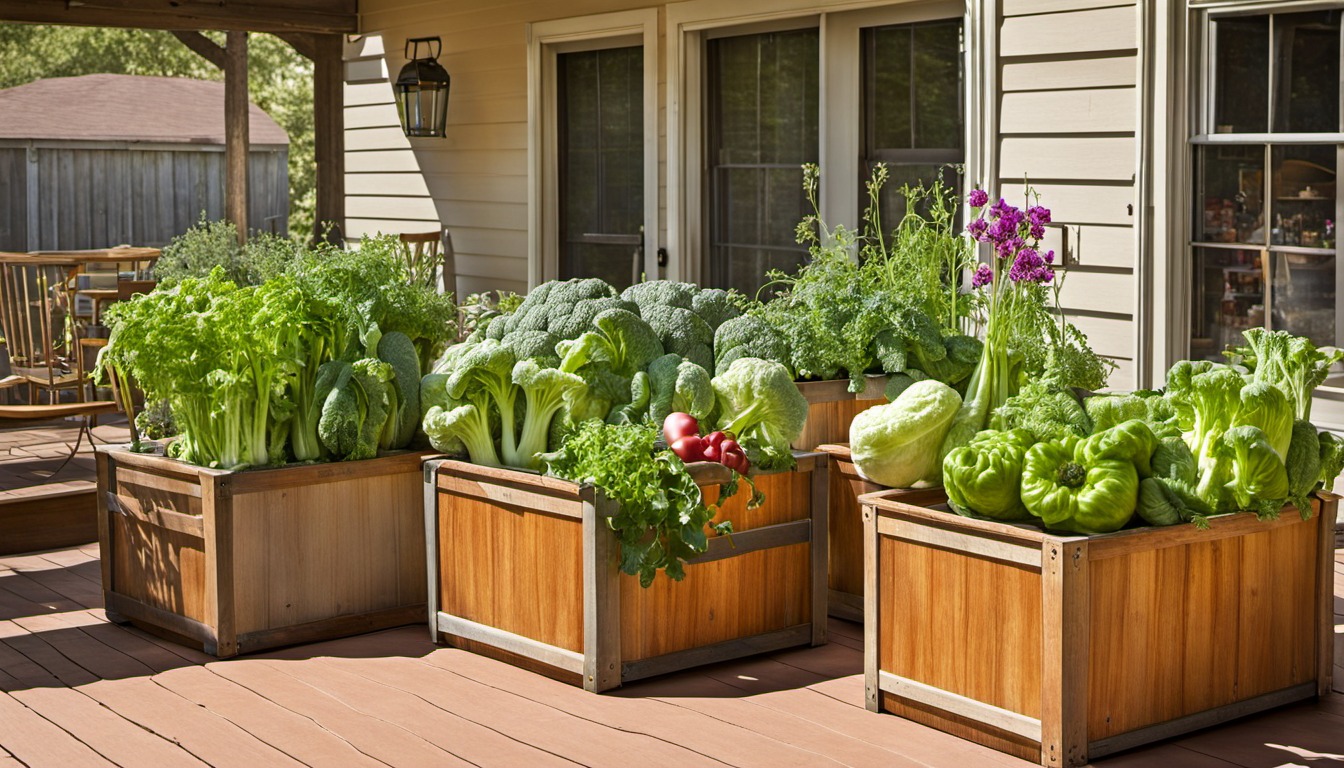
Choose the whole setup before buying
A compact variety and a full-size vining plant need different root space and support. Read the mature dimensions and put a cage or trellis in place early. The pot should have drainage holes and remain stable when its canopy is wet or windblown. Consider the total weight of container, wet mix and plant, especially on a balcony. A pot that is easy to water and harvest is more useful than one in the sunniest corner that you cannot safely reach.
Test how the mix takes water
Use a growing mix intended for containers. Water slowly until the mix is thoroughly wet and excess can drain, then feel below the surface before the next application. If water runs down the sides while the center remains dry, inspect the root ball and rewet it carefully. Do not leave the pot standing in a full saucer. A small pot in reflected afternoon heat may dry faster than a larger pot nearby, so check each rather than treating a patio as one watering zone.
Plan the next crop
After harvest, remove old roots and inspect the drainage holes and the condition of the mix. If a crop had a disease, clean the pot and support according to local guidance before reuse. Choose the next crop for the upcoming local season rather than assuming a summer tomato will grow at the same rate all year. Record the pot size, variety and practical watering interval during the hottest weeks; that history helps decide whether to use a larger container or a different location.
Compare the plant with its season
Texas A&M’s container guide says many vegetables can be grown in containers, but the crop still needs an appropriate local season. A tomato in a pot remains frost-sensitive; a leafy crop may fit a cooler window. Use the variety’s mature dimensions, light needs and maturity estimate to choose the pot and site. Keep the label so you know when a crop is finished and what support it needs.
Build a watering plan for absence
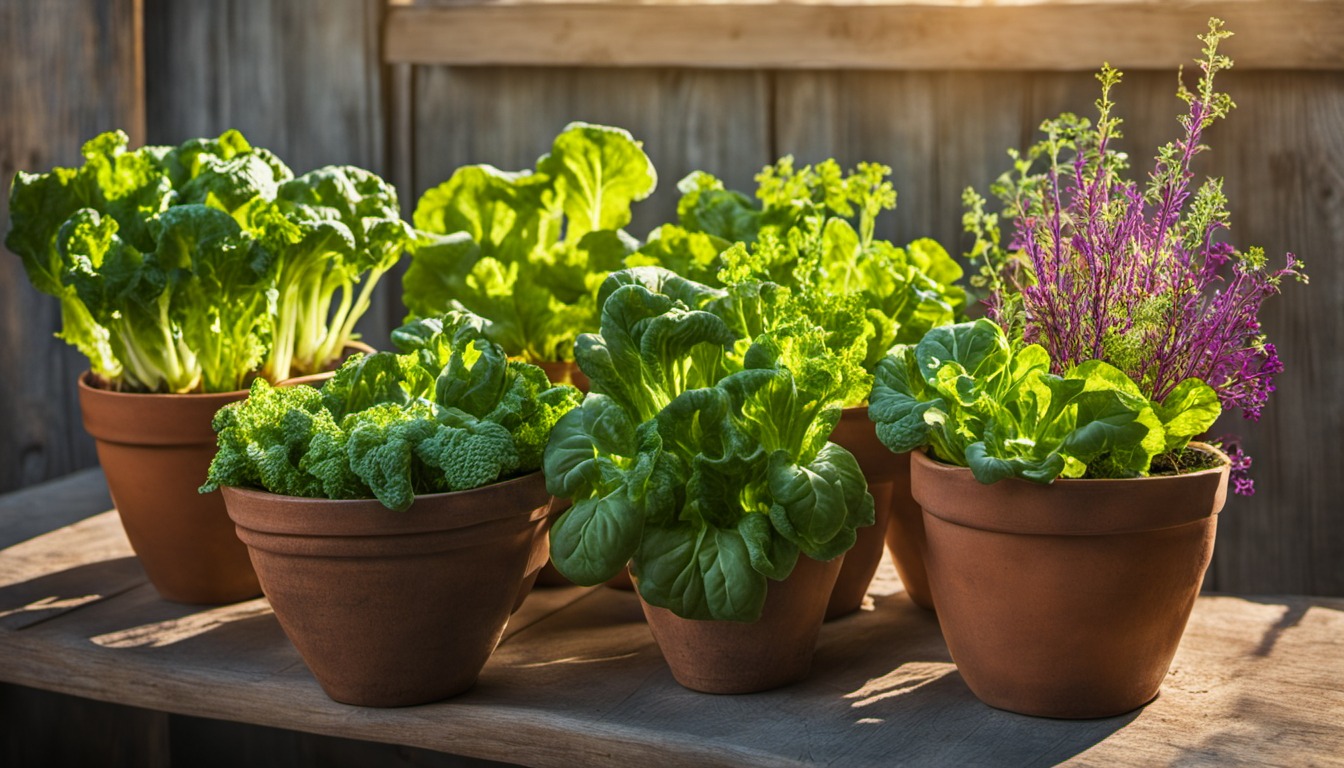
Before a trip, test a drip line or arrange for a helper to check the mix below the surface. A timer running does not prove the whole root ball got wet, and a pot against a hot wall may dry faster than one in morning sun. If the routine is difficult to maintain, reduce the number of pots or move a container gradually to a more manageable site. Avoid leaving it standing in water as a substitute for care.
Keep harvest access
A cage or trellis makes the mature plant easier to support, but it also needs space for your hand and tools. Place the pot so fruit and the underside of leaves can be inspected without tipping it. Harvest regularly and remove declining material. If a plant has repeated problems, record pot size, exposure and watering before replacing it; those observations help distinguish a poor site from an unsuitable variety.