Texas garden field guide
Design a Raised Bed for a Texas Vegetable Garden
A raised bed can make a garden easier to reach and maintain, but it still depends on the site below it. Before buying lumber or soil, measure the space, watch the sun, and decide how water will enter and leave the bed.
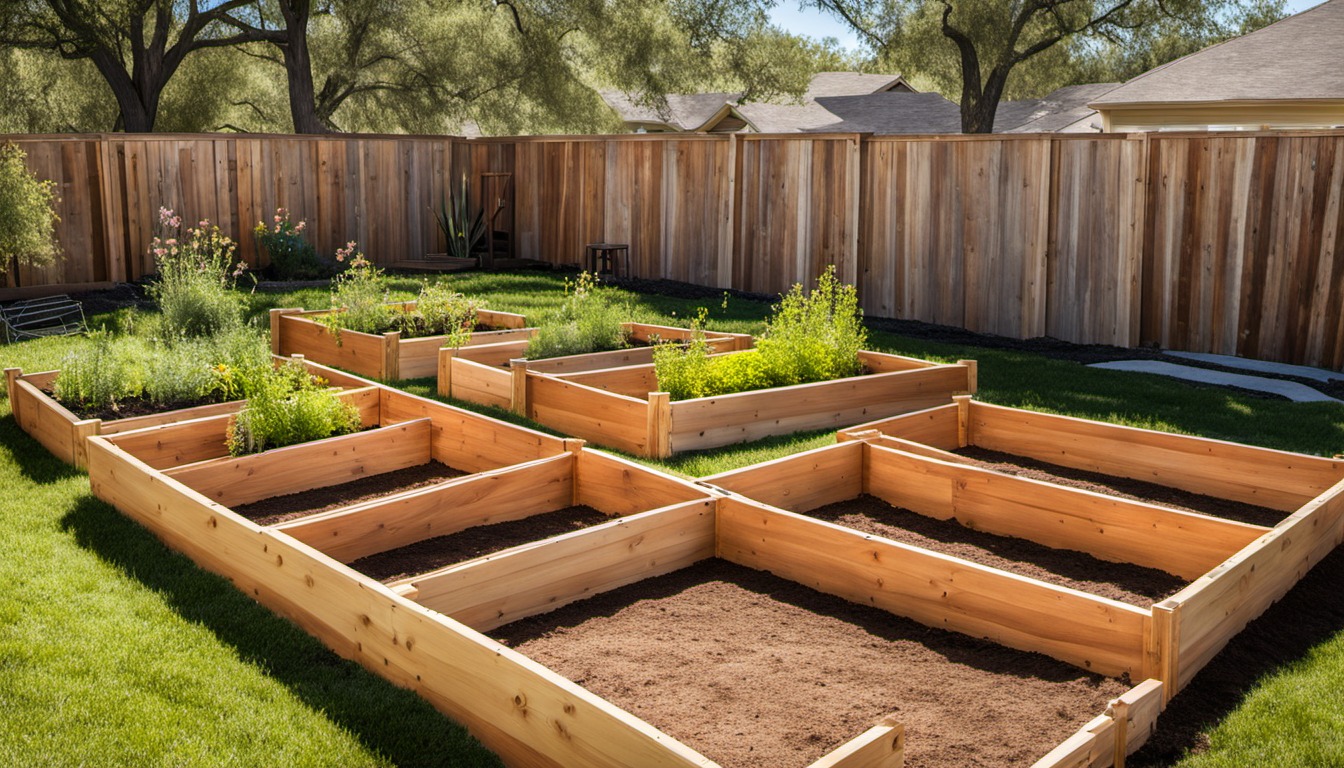
Measure reach and paths
Choose dimensions that let you reach the middle from the sides without stepping on the soil. Leave room for a wheelbarrow, a chair or whatever tools you use. Check shadows from fences and trees at the time of year you intend to grow. Tall crops belong where they will not shade shorter ones.
Check the site and build
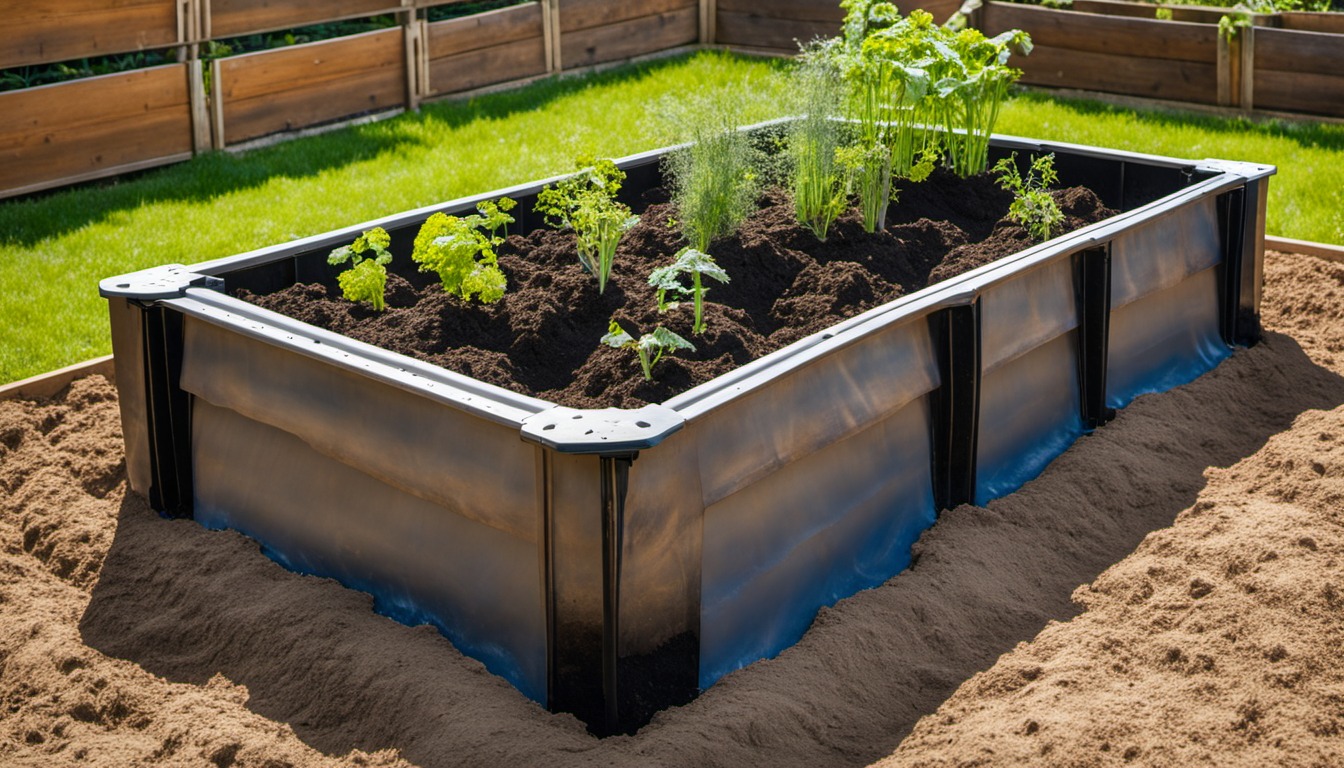
Select a stable, well-drained location and remove persistent turf before filling. Use materials appropriate for a food garden and avoid questionable reclaimed materials. A frame on permeable ground may allow roots to extend below the added soil; a bed over a hard surface has a fixed root depth and needs careful drainage planning. The extension’s raised-bed guide offers construction details.
A fill calculation to check
For an eight-by-four-foot bed, ten inches is five-sixths of a foot. Multiply 8 × 4 × 5/6 to get approximately 26.7 cubic feet, just under one cubic yard. That is a geometry estimate: subtract material already in the bed and ask the supplier about settling. Measure the inside of the finished frame because outside dimensions include the thickness of the boards. Ask about the composition and quality of any purchased mix.
Plan delivery and filling
Measure the inside of the completed frame, subtract any soil already in place and use the volume calculation below as a starting point. Ask a supplier what the mix contains and how much it may settle. A pile delivered at the curb also needs a practical route to the bed: check gate widths, wheelbarrow clearance and where the material can be placed without blocking drainage or access. Do not assume pure compost is a complete growing mix. Keep the supplier’s description with your garden record.
Plan a mixed first planting
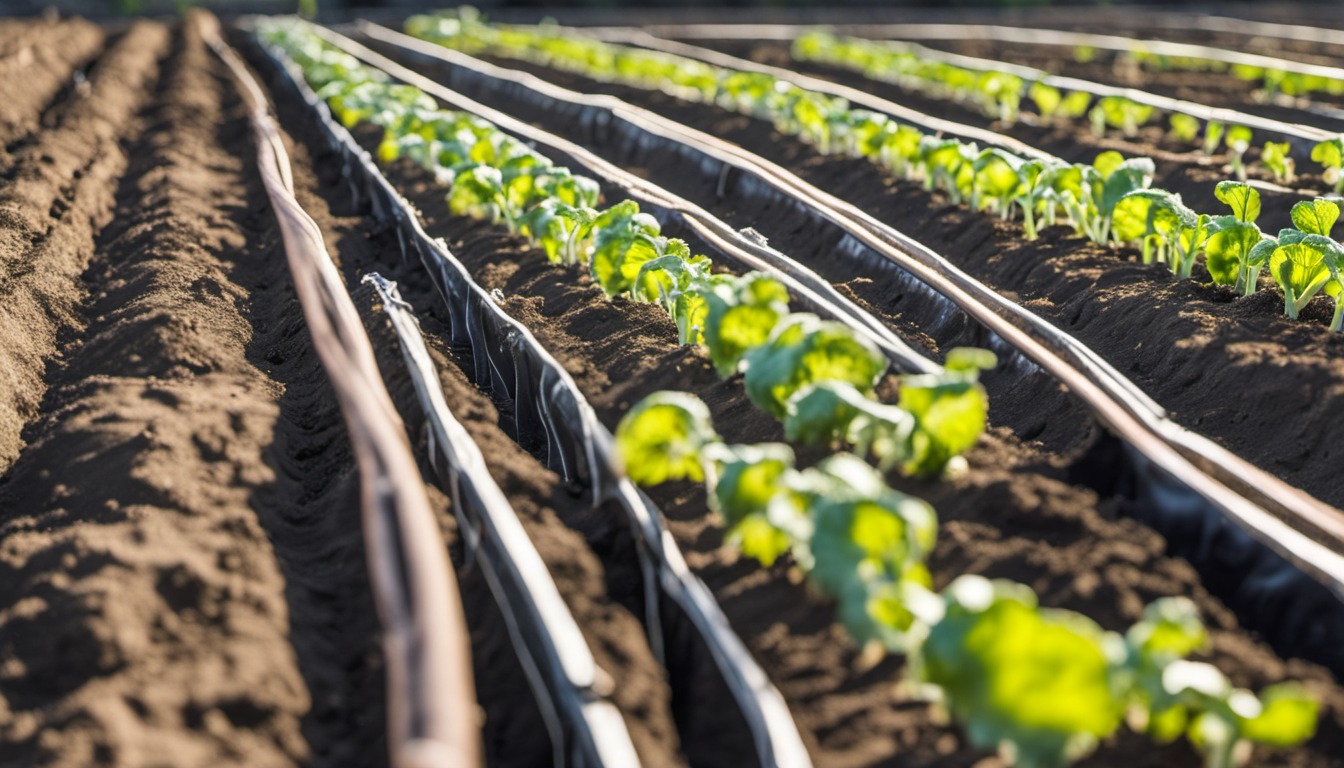
For a four-by-eight-foot example, sketch the mature footprint of each crop before buying plants. Put a trellis or tomato cage where it will not shade short greens and leave a route to harvest from the sides. Use the packet spacing rather than packing every open square with seedlings. If a short-season crop finishes first, its area can be replanted only if the next crop fits the local window. Mark irrigation lines on the sketch so they remain findable beneath the foliage.
Check the new bed through a season
After the first thorough watering, check several spots below the surface. If water runs off or one corner remains saturated, review the grade, fill and irrigation layout before adding more water. Record how far the fill settles after rain and use, and measure an empty bed before ordering a top-up. A soil test can help guide nutrients in subsequent seasons. Keep the measurements and soil source so that a later adjustment is based on the bed you actually built.
Decide how the bed will be watered
Lay out a hose route or drip zone before filling the bed with mature plants. The source needs to be reachable without dragging a hose across foliage, and the connections need space for maintenance. After a trial run, check several locations at root depth, including the corners. If one area remains dry while another pools, adjust the layout or cycle before increasing the whole zone’s run time. Keep a sketch of tubing locations so you can plant or weed without cutting it.
Start with the fill, not a recipe claim
Ask a supplier what the mix contains and whether an analysis is available. A newly filled bed and an established bed amended repeatedly with compost may have different nutrient needs. A soil test and local advice can guide later fertilizer decisions; a label such as “garden mix” does not describe every batch. Record the source and amount. If the bed settles, measure the change once the crop is out before ordering more.