Texas garden field guide
Using Compost in a Texas Vegetable Garden
Finished compost can improve soil structure and contribute nutrients, but it is not a precise replacement for a soil test. Use it as one part of a soil plan, with attention to its source, maturity and the needs of the bed.
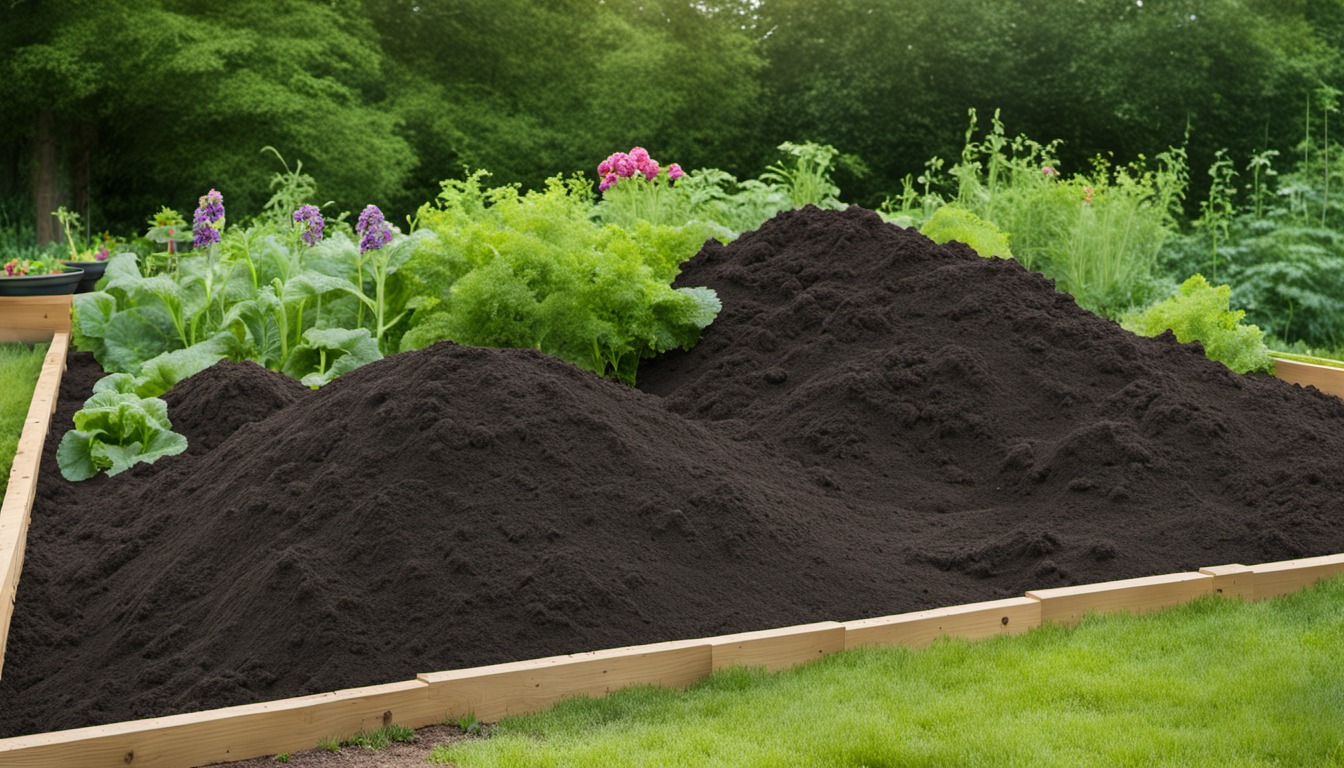
Separate compost from a nutrient prescription
Compost is organic material that has decomposed, but batches differ with their ingredients and process. It can improve soil structure without supplying nutrients in the same predictable ratio as a labeled fertilizer. Keep the supplier’s description or available analysis and test the soil when making fertilizer decisions. More compost is not automatically better in a bed that has received repeated additions. A report, the bed’s history and the crop’s needs provide a better basis than the color of a leaf alone.
Know which residues belong in the pile
Texas A&M’s fall guide advises against putting spring-garden residue likely to carry pests or disease in an ordinary compost pile. A small home pile may not heat evenly. Separate obviously affected material and follow local disposal guidance. For a healthy pile, follow a reliable composting guide for appropriate ingredients, moisture and aeration; avoid treating recognizable raw scraps or a strong unpleasant smell as finished compost. If you purchase it, ask about feedstocks and maturity before putting it around edible plants.
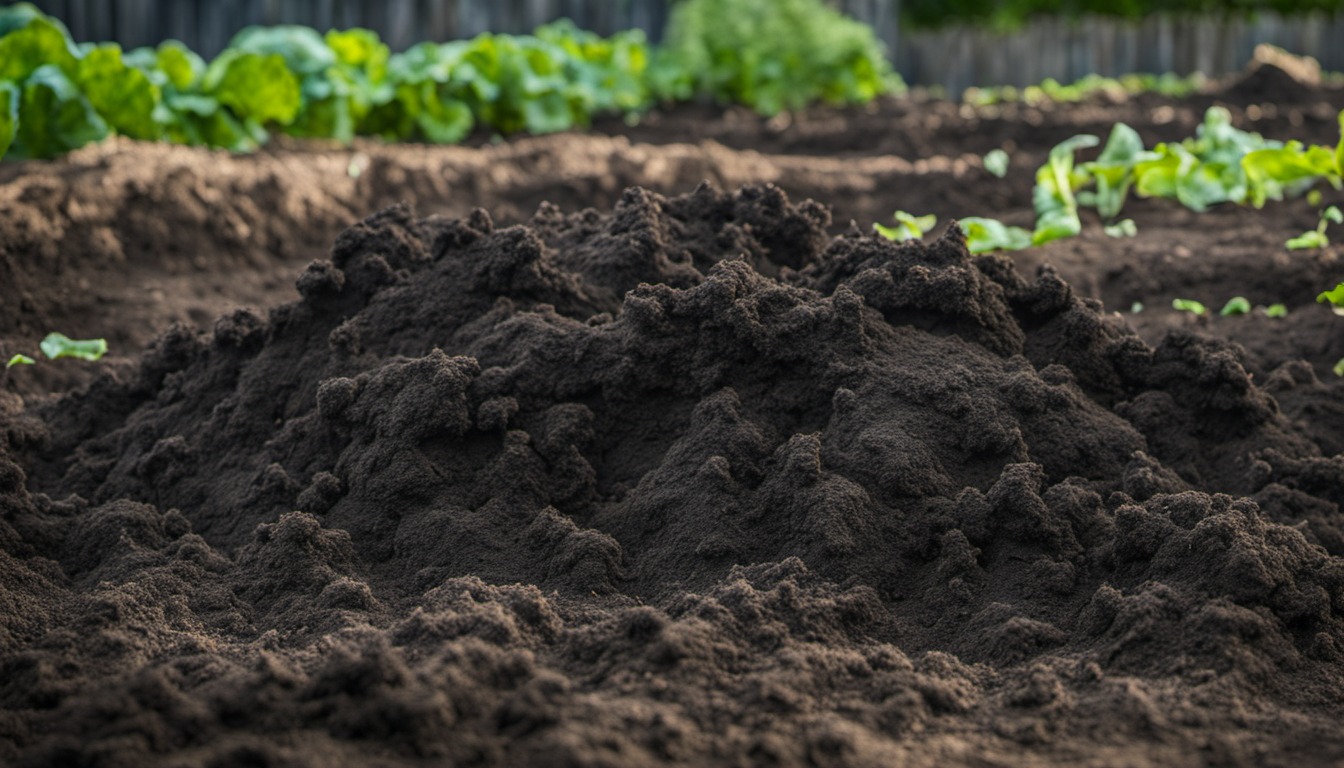
Choose surface or incorporation
A surface layer covers exposed soil, while material incorporated into a bed becomes part of the root zone. Decide which job you need before applying it. Wait until clay soil is workable, and avoid digging near established roots or placing material against stems. For a fall bed prepared close to planting, Texas A&M recommends well-rotted organic matter. Record the amount and observe drainage and workability over time; one application will not permanently change the texture of every soil.
Help a pile finish
Texas A&M describes air, moisture and nitrogen as factors in decomposition. Turning can supply air; a compacted, waterlogged pile may develop an unpleasant odor. The guide suggests the material should feel damp without dripping when squeezed. Monitor the pile rather than assuming every part reached the same conditions, and allow unfinished material more time before placing it near crops.
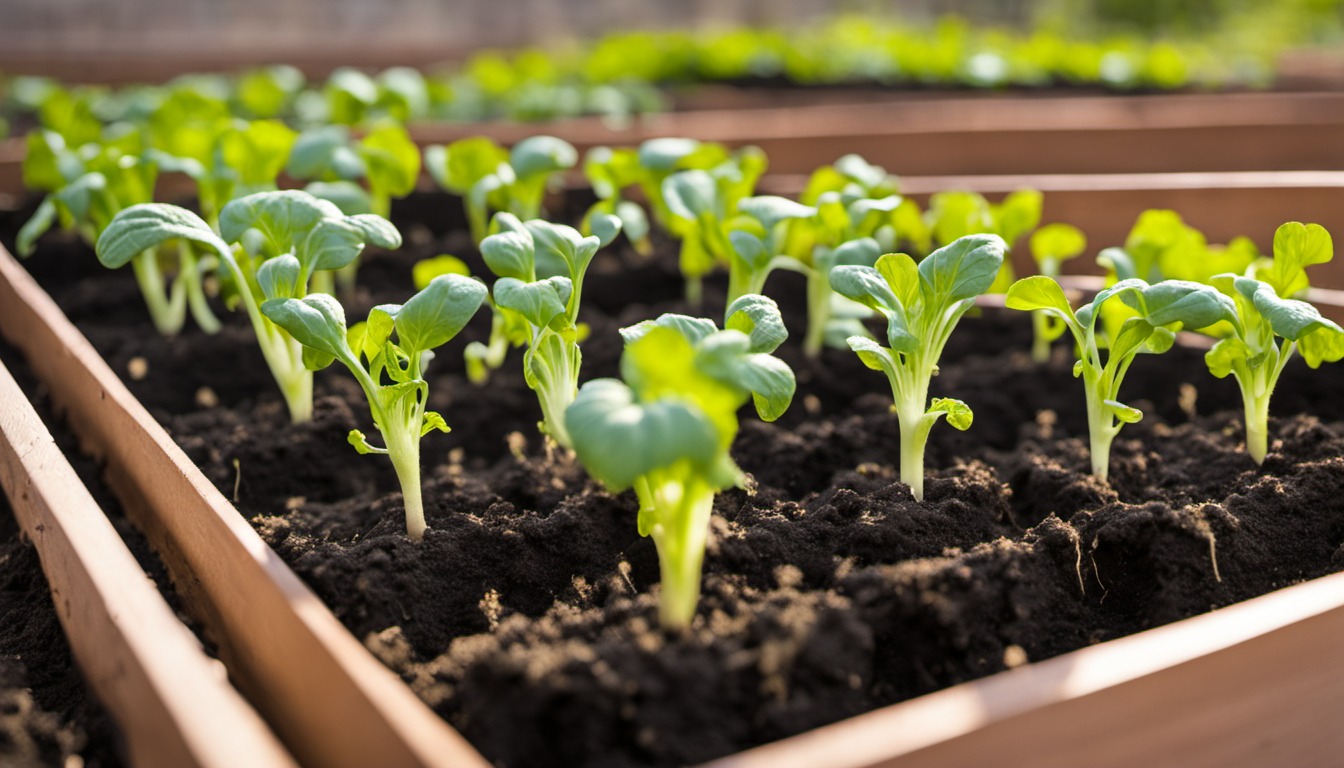
Keep ingredients and history visible
If you make compost, follow an extension guide for suitable ingredients, moisture and air. A small pile may not heat evenly, so do not assume it will neutralize every diseased plant or weed seed. Texas A&M’s fall guide cautions against composting spring-garden residue likely to carry pests or disease. Keep the pile away from contamination and record its inputs; if you buy compost, retain the supplier’s description or analysis.
Check the bed after application
Observe how the bed takes water and whether the soil is easier to work over time. A plant that wilts in a moist bed may have root or drainage problems, not a shortage that another compost application will fix. Save a soil report and note the amount used in each bed. When a batch has an unusual odor or obvious unfinished pieces, hold it aside while you investigate rather than working it into a seed row.