Texas garden field guide
Growing Bulb Onions in Texas
Onions take time and do not occupy much space individually, making a row a useful addition to a planned bed. The variety and planting window matter: use local guidance instead of assuming an onion suited to a northern garden will perform the same way in Texas.
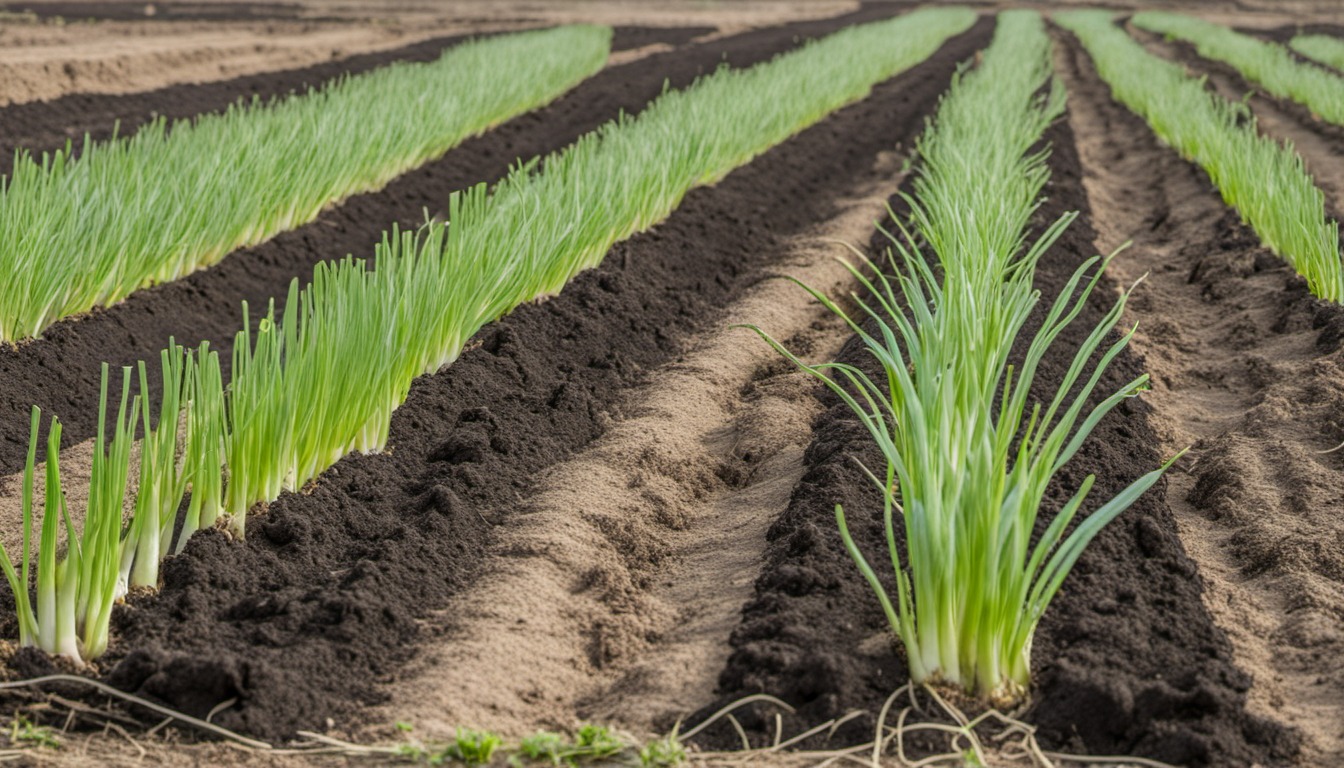
Select by day length and purpose
Bulb onions respond to day length, so an onion suited to a distant latitude may not produce the same bulb in Texas. Consult the Texas A&M variety list and your county office, and distinguish seed, sets and transplants when reading a planting schedule. The fall guide lists short-day examples as well as green-onion varieties. A row grown for green onions is harvested differently from one given room and time to form bulbs for storage.
Make a clean, accessible row
Choose a sunny, well-drained bed and follow local guidance for depth and spacing. Upright onion leaves do not shade much soil, so keep young weeds under control while they are small. Use shallow hand weeding near roots and avoid working soil when it is sticky. A bed map helps you protect the row while another crop is harvested nearby. Water according to soil moisture, particularly while transplants are establishing.
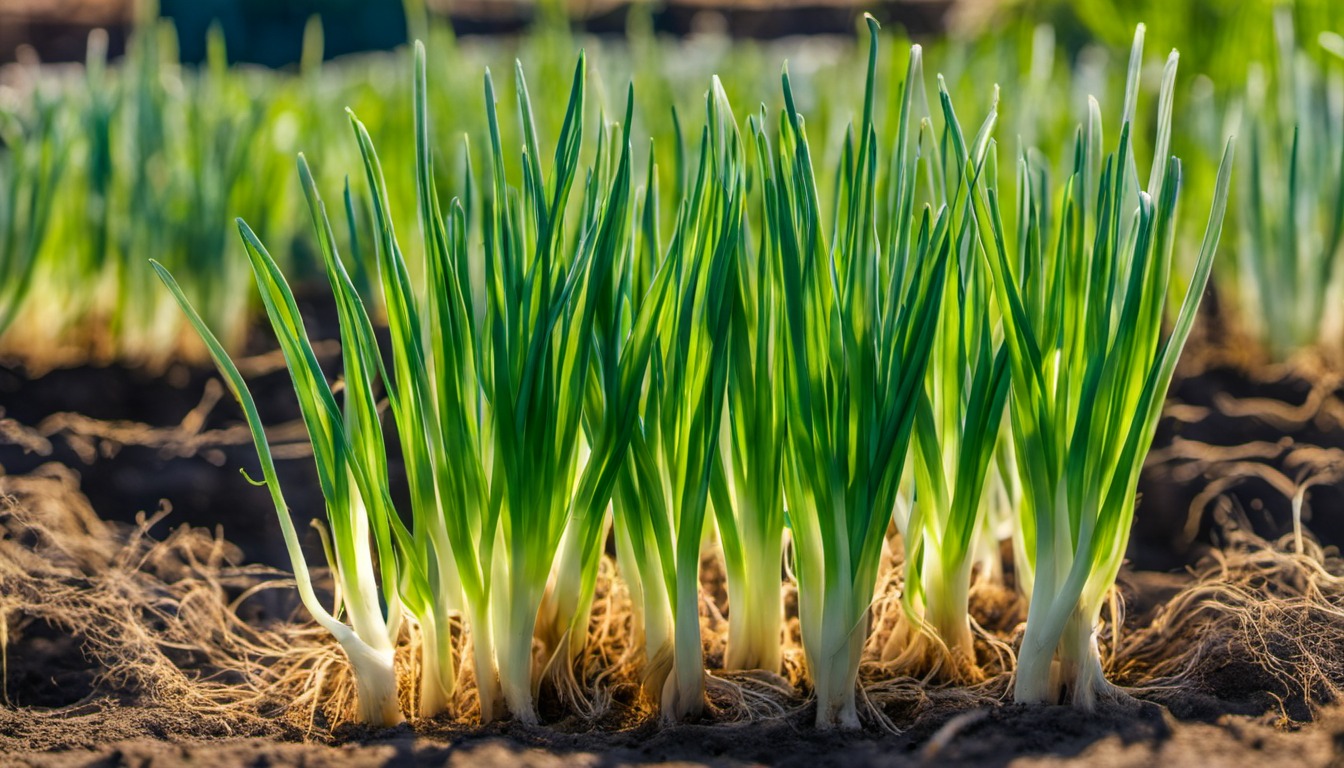
Plan harvest and curing separately
Texas A&M recommends harvesting bulb onions when the tops begin to fall over; green onions can be used earlier. Handle bulbs gently and keep damaged ones for prompt use. Suitable storage types need a dry, ventilated curing place protected from rain, and varieties differ in storage life. Label the harvest and check stored onions regularly for soft spots. Record the variety and planting date so a successful row can be repeated rather than guessed at next season.
Understand day-length groups
Texas A&M lists short-day, intermediate-day and long-day onion groups, with different varieties in each. Short-day examples include Texas 1015Y and Early Grano 502. Choose with local advice rather than importing a recommendation for another latitude; the length of daylight influences bulb formation. Green-onion harvest has a different goal from growing full bulbs.
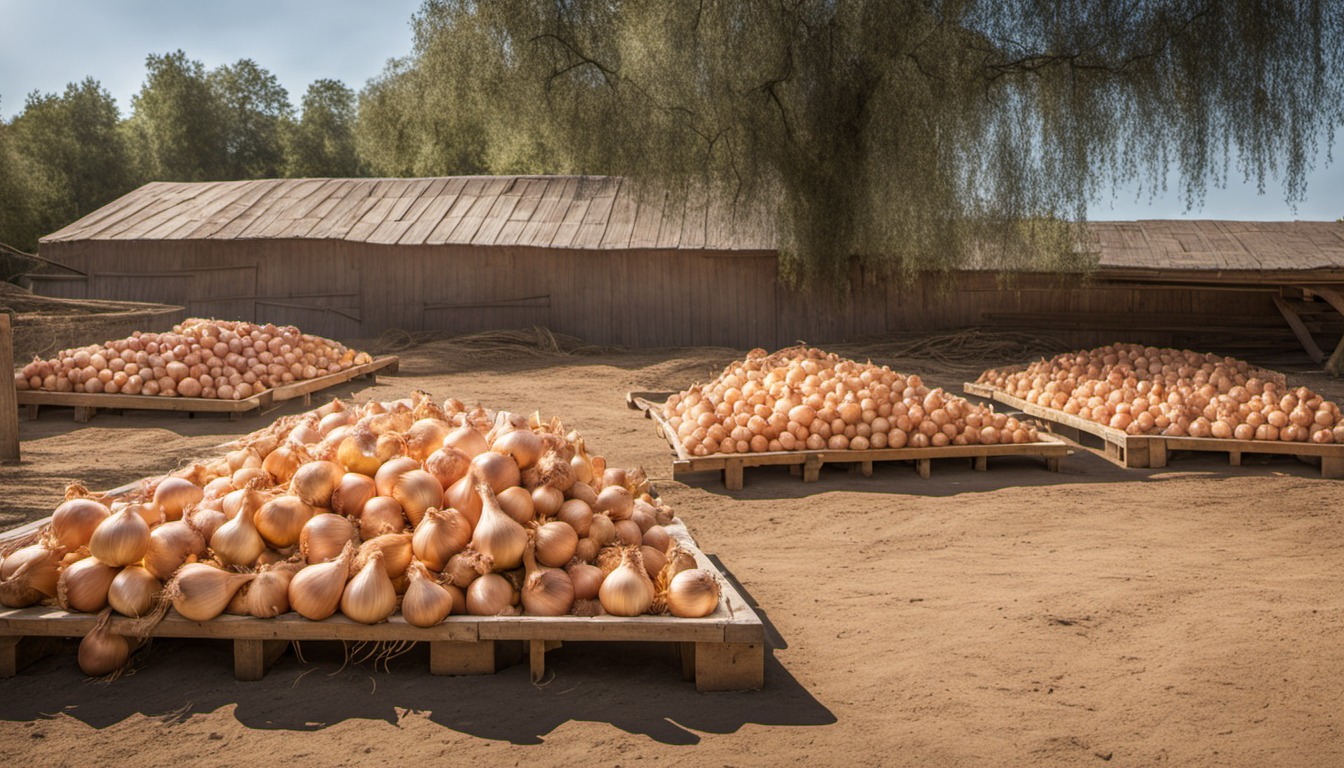
Set transplants at the right depth
Texas A&M advises against transplanting onions more than one inch deep. Follow the current crop guide and local spacing for your harvest goal, and label the row. A shallow planting and early weed removal make it easier to tend the plants without cutting roots with a deep hoe stroke. Water the root zone according to soil moisture.
Match fertilizer to the bed
The Texas onion guide gives general fertilizer examples, but a soil test can identify what your own bed needs. Measure the area and keep fertilizer from direct contact with roots. Note the product and amount used, then use the crop guide and local advice to interpret subsequent growth. Brown tips can also be associated with disease; they do not prove a nutrient shortage.