Texas garden field guide
How to Use a Soil Test in a Texas Vegetable Garden
More fertilizer is not always the answer to a struggling garden. A soil test gives you a starting point for nutrient and pH decisions, while your observations help identify drainage, watering and pest problems that a nutrient report cannot diagnose.
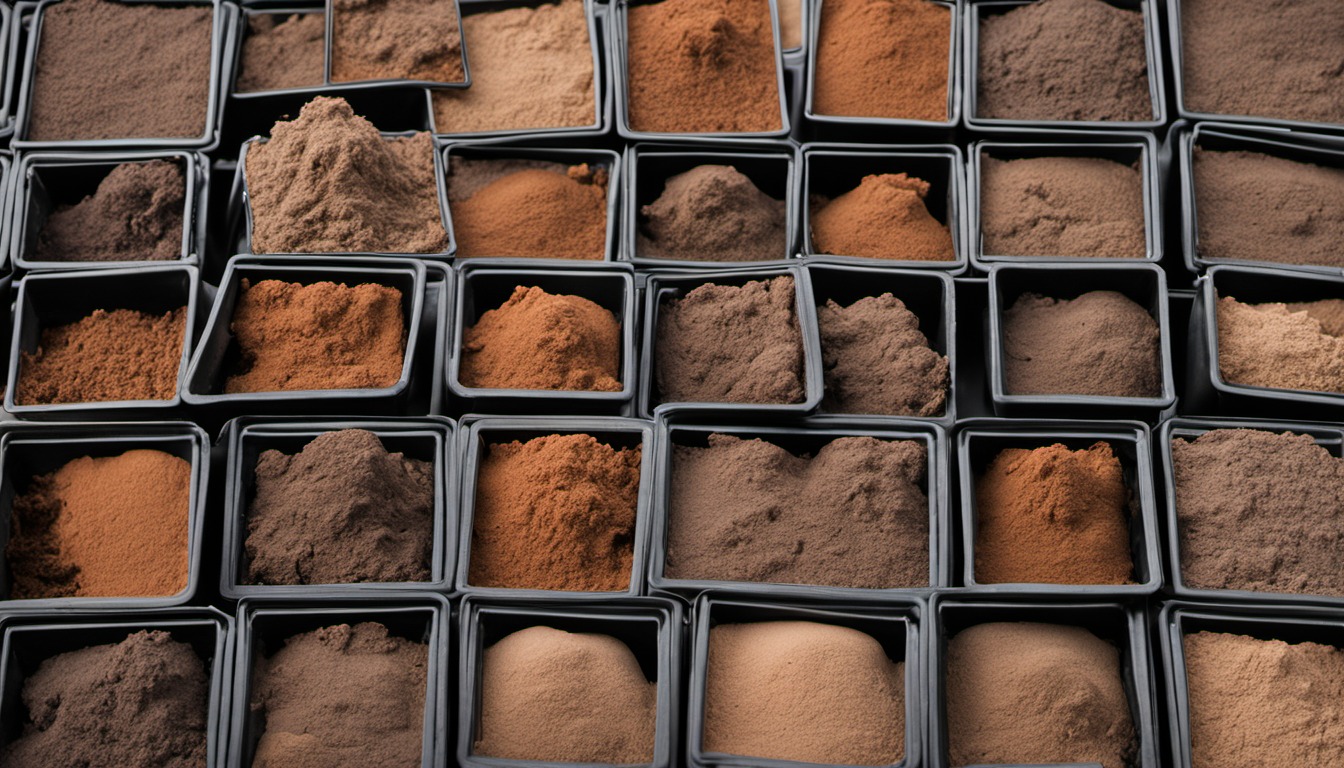
Decide which beds to sample
A sample should represent the area to which you will apply the recommendation. Take small portions from several places within a similar bed, following the laboratory’s instructions, and combine them as directed. Keep an established bed separate from a new raised bed or an area with a different amendment history. Clean the sampling tool between areas, remove surface mulch and label the container to match a sketch. Do not sample directly from a fertilizer band or compost pile and treat it as representative of the whole garden.
Translate the report to your bed
A report may express a recommendation for a standard area and a specific nutrient or product analysis. Measure the actual bed, then scale the amount to that area. For example, a 32-square-foot bed is 0.32 of 100 square feet. Confirm whether the recommendation is for a nutrient amount or for a particular fertilizer: a bag with a different analysis is not interchangeable pound for pound. When the units or calculation are unclear, ask the laboratory or county office before applying it.
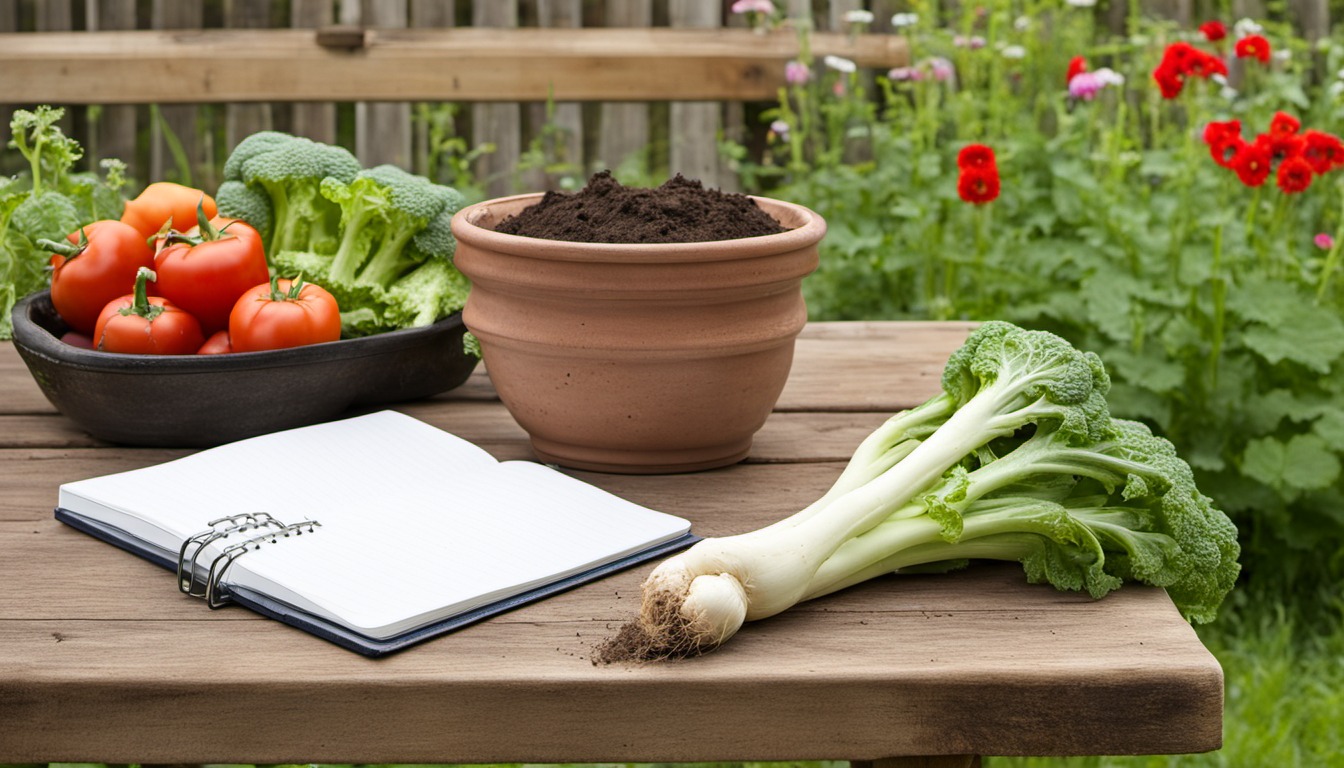
Connect the test to visible problems
A soil report helps with nutrient and pH decisions, but a yellow leaf is not a complete diagnosis. Check whether the symptom affects old or new leaves, whether it occurs throughout the bed and whether the root zone is dry or saturated. Recent heat, root injury, disease and insects can also affect growth. Record the pattern and take clear photographs for local advice. Avoid adding several amendments at once; doing so makes both the result and the cause harder to interpret.
Keep a usable history
Save the report with the sample date, bed map and any applications. Note the product analysis and amount actually used, not just that the bed was fertilized. Follow the laboratory or county office’s advice on when to resample and use its current instructions each time. If a later report changes, you can compare it with the same bed and its treatment history. The test complements routine observations of drainage and watering; it does not replace them.
What the report can and cannot tell you
Texas A&M describes the soil test as a way to measure nutrient levels and obtain recommendations. The report supports a decision about whether and how much to add; it does not measure a blocked drip emitter or diagnose every disease. Read the pH and nutrient results separately, and ask the laboratory about an unfamiliar recommendation. Do not add lime merely because a plant is pale. The correct action depends on the sample, the crop and the laboratory’s guidance.
Read a fertilizer label as well as the report
A fertilizer’s three-number analysis describes the percentage of nitrogen, phosphate and potash by weight. For example, one pound of a 10-10-10 product contains one tenth of a pound of nitrogen; the rest is not nitrogen. A laboratory recommendation may specify a nutrient or a product amount, so check which it means before scaling. A different analysis requires a different calculation. When the units do not make sense, ask the laboratory or county office rather than substituting products by weight.