Texas garden field guide
Growing Carrots in a Texas Vegetable Bed
A successful carrot crop starts before the seed goes in: a workable bed and consistent surface moisture help tiny seedlings emerge. Plan for thinning and a cool-season window that fits your part of Texas.
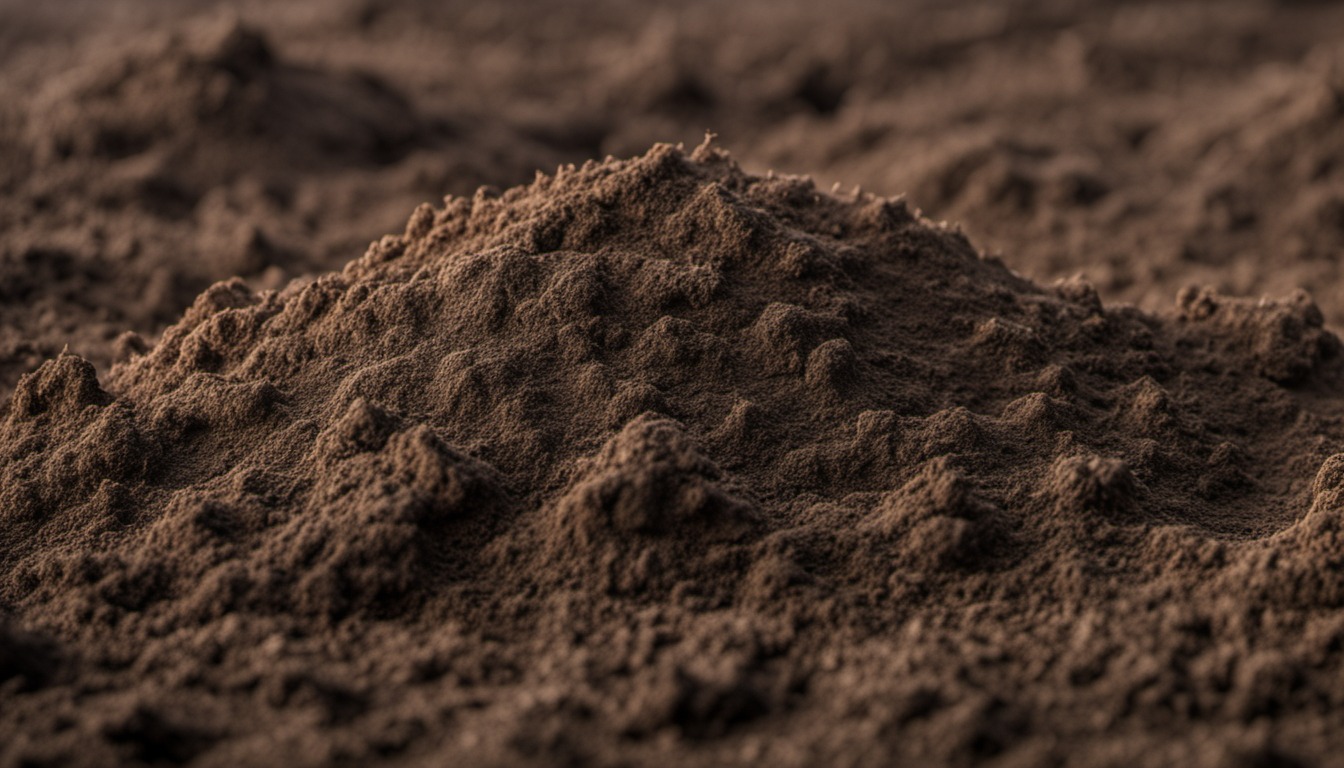
Choose a root that fits the bed
Texas A&M describes carrots as a cool-season crop that can fit small gardens and tolerate some shade. Compare root length and shape when selecting a variety: a shallow or stony bed calls for a different choice from a deep, loose one. Prepare the surface without working sticky soil, and remove large clods that might obstruct roots. The fall guide lists Nantes Half Long and Red Core Chantenay among examples; check the county calendar for your planting window.
Protect the first two weeks
Small carrot seeds are placed shallowly and the surface can dry before seedlings appear. Follow the packet depth, label the ends of the row and water gently enough not to displace the seed. If a storm forms a crust or washes a section away, note the affected area before re-sowing. A second sowing has a new date and may not mature with the first. Keep small weeds from overtaking the row while carrot tops are still easy to miss.
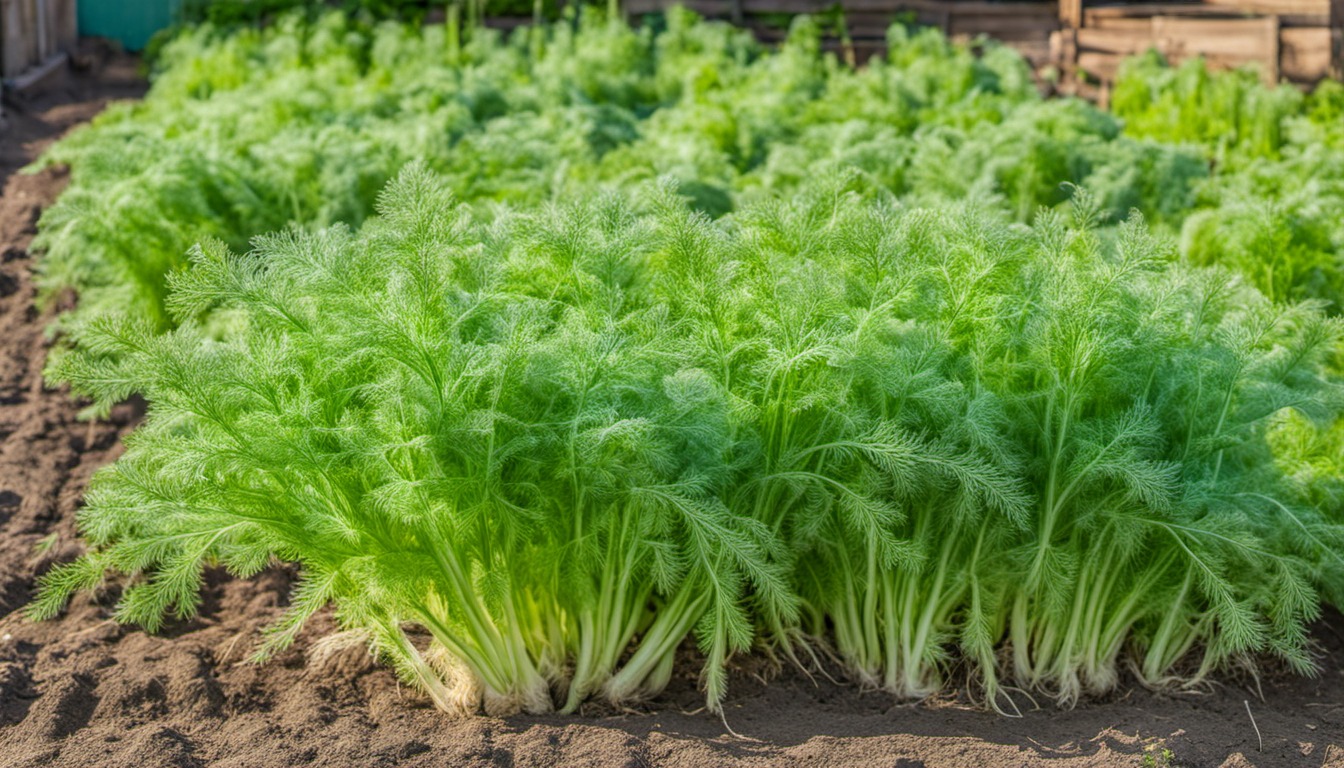
Thin and sample the harvest
Once seedlings are identifiable, thin gradually to the variety’s spacing. Snipping extra tops can avoid disturbing a neighbor’s roots. The Texas crop guide gives a general 70–80-day harvest estimate, but weather and variety influence the actual result. Pull one sample when the packet estimate approaches and judge its size before clearing the row. Record whether the bed produced straight roots or whether clods, crowding or moisture made preparation difficult.
Count space from the variety
Texas A&M’s carrot guide gives an example of seed three inches apart, producing a theoretical 16 positions in one square foot. That is a layout calculation, not a promise of 16 harvestable roots. Use the packet’s depth and final spacing, and allow for thinning and imperfect emergence. If your bed is shallow, compare root shape and length before buying seed; do not try to dig through sticky soil to accommodate a long variety.
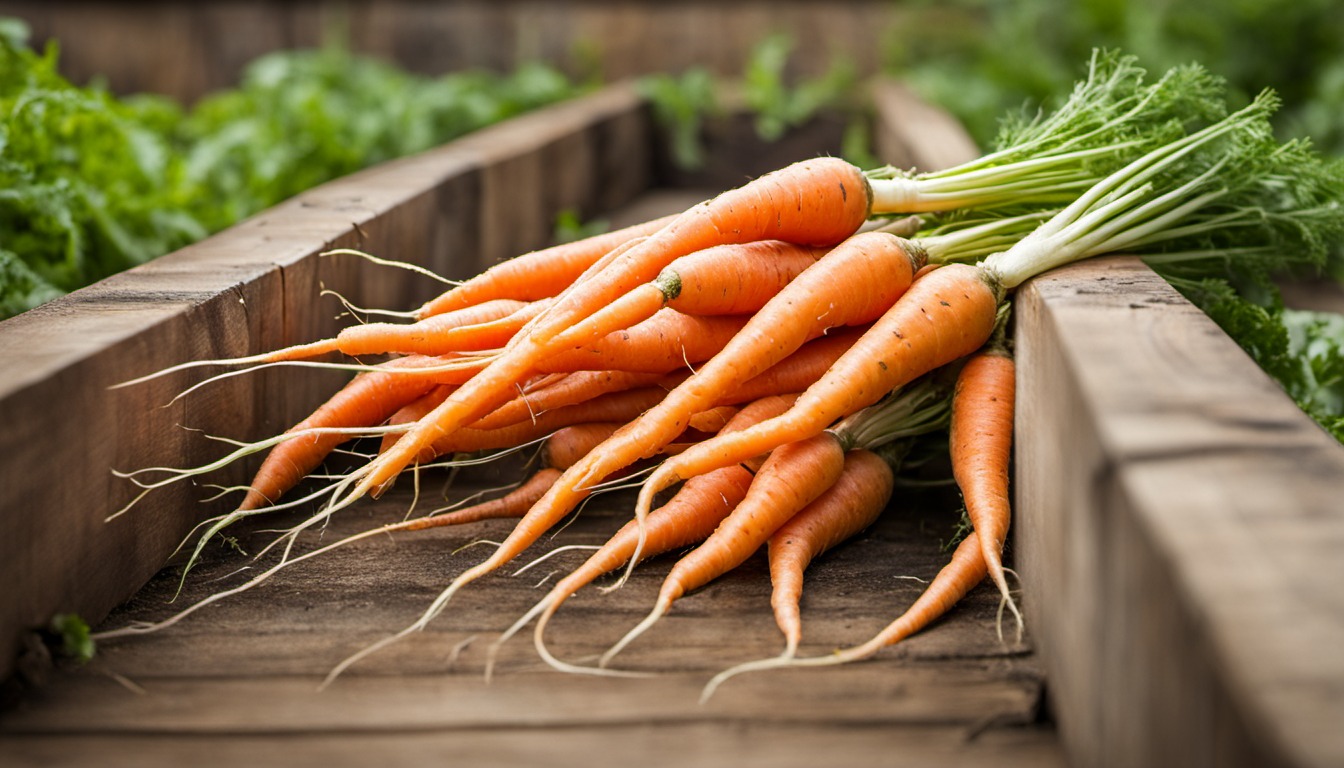
Separate a new sowing from the first
If a row is patchy, inspect for a dry crust, washout or seed buried too deeply. Re-sow only if the local cool-season window still leaves time for the variety, and label the new date. The Texas crop guide gives a general 70–80-day harvest estimate, while the packet and actual weather refine it. Pull a sample root as harvest approaches instead of clearing the bed based solely on the calendar.
Check before preparing soil
If a handful from the depth you plan to work sticks together and smears, wait until it crumbles more readily. Working wet clay can create clods that make a fine seedbed difficult. Remove large stones from the row and consider a shorter-rooted variety when the workable depth is limited. Use the local soil-preparation guidance and a soil test rather than adding amendments in response to the root shape from one season.