Texas garden field guide
Grow Okra in Texas: From Warm Soil to Tender Pods
Okra is a warm-season crop well suited to many Texas gardens. Give it sun, room and warm conditions, then make frequent harvests part of the plan: pods can become tough as they mature.
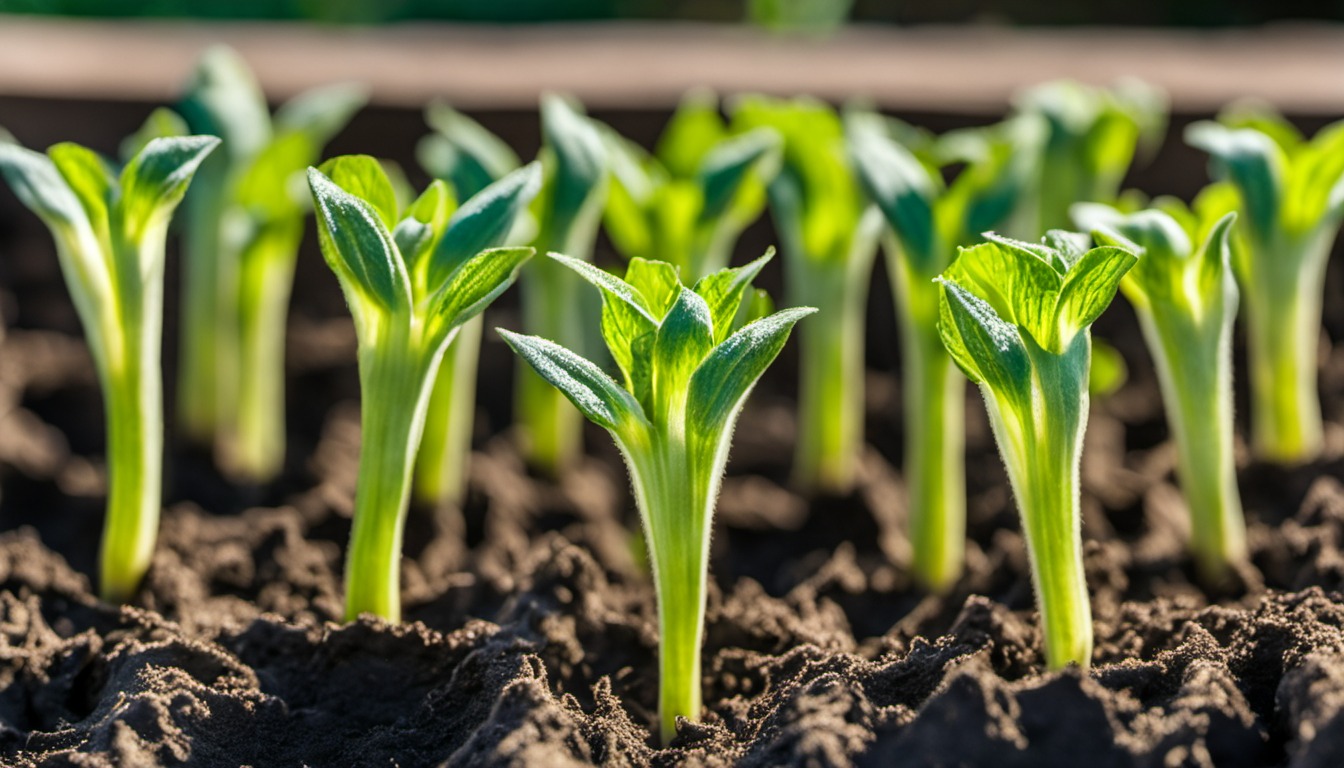
Choose timing for each season
Texas A&M’s okra guide recommends spring planting two to three weeks after frost danger has passed and at least three months before the first fall frost for a fall crop. These are broad crop recommendations, so compare them with the regional planting chart and forecast. The guide lists compact Annie Oakley and Blondy as well as Clemson Spineless. A compact type can change the space needed, but check the packet and local experience before relying on a size claim.
Lay out rows and access
Okra becomes tall enough to shade a shorter neighbor. Put the row where you can reach it for frequent harvest without stepping through the bed. The Texas guide’s example uses seed about one inch deep and two inches apart, rows at least three feet apart, then thinning to around one foot between plants. Treat that as a row example and check the variety’s directions for your setup. Keep weeds small and avoid deep cultivation near established roots.
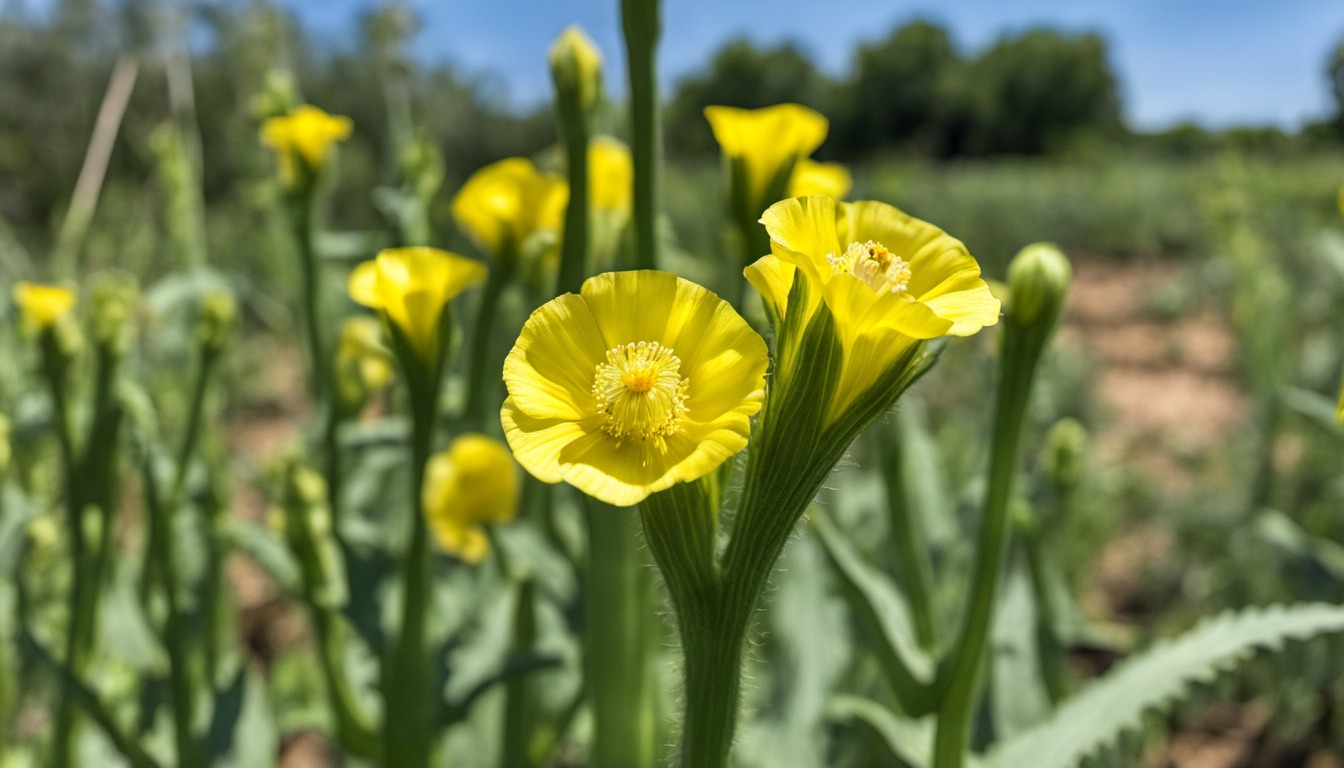
Harvest on the plant’s schedule
The extension guide suggests picking pods around three to four inches long and checking every one or two days. Pods left too long become tough. Use a cutting tool carefully rather than twisting branches, and protect skin if the plant irritates you. Compare the tenderness of your variety at harvest and record when it first produced. Leaving some pods to mature for seed is a separate decision from harvesting tender pods for the kitchen.
Prepare soil without compacting it
Texas A&M recommends a sunny, well-drained site and working soil only when it is dry enough not to stick to tools. Plan paths before the crop grows tall, and leave room to pick without breaking branches. Use a soil test and local guidance for fertilizer instead of placing product against seeds or roots. The mature canopy can shade shorter vegetables, so put it where that shade is useful or does not interfere.
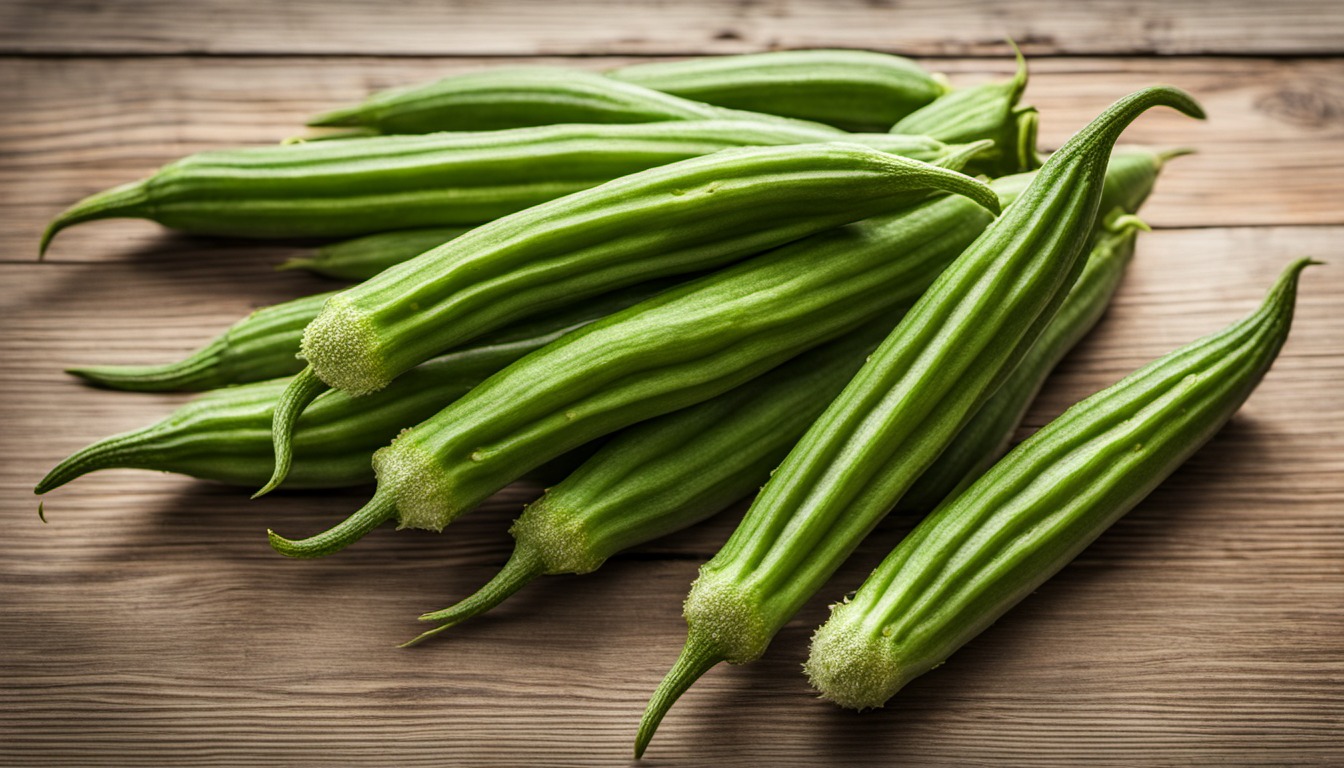
Convert spacing into a row plan
The Texas guide’s example thins plants to about one foot apart after sowing closer together. A 10-foot row therefore suggests roughly ten positions at that interval before allowing for ends and access. That is a layout estimate, not a yield prediction. Check the variety’s needs and leave a path so the mature plants can be harvested without trampling neighboring crops.
Read the fall lead time
For a fall crop, the Texas A&M okra guide suggests planting at least three months before the first fall frost. Compare that broad lead time with the regional chart and your local forecast. A warm-season crop started too late may not produce before cold even if plants emerge well. Keep the sowing date and first harvest date to inform next year’s choice.