Texas garden field guide
Grow Bush Beans in a Texas Garden
Bush beans can fit a compact bed and produce over a relatively short period. The challenge is choosing dates that fit your local temperatures and spacing sowings so the harvest matches what you can use.
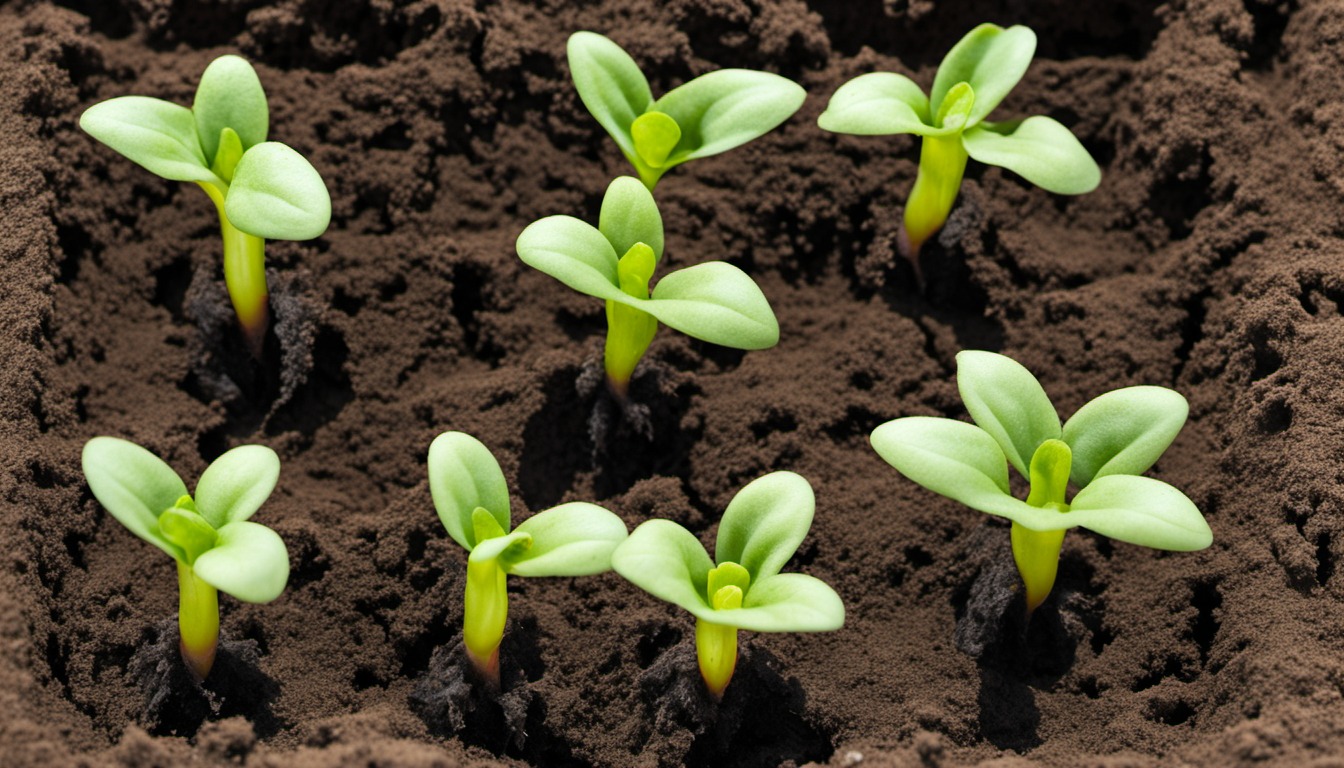
Choose a type and a place
Bush beans fit a shorter row without the tall structure used for climbing types. Place the row where you can reach pods from a path and where a support for another crop will not shade it. The Texas home guide groups bush beans with quick-maturing crops, while the fall guide lists them as frost-susceptible. Compare the particular packet’s maturity estimate with the local window and forecast; a quick crop still needs enough suitable weather to finish.
Sow one small batch first
Sow in the final bed at the packet depth and spacing, then label the date and keep the seed zone moist without washing seed away. When plants emerge, inspect the row for gaps and crowding. A second sowing can spread harvest work if the local season still allows it. Two sowings separated by two weeks may not produce harvests exactly two weeks apart because growth responds to weather. Mark each batch so you can compare its actual emergence and harvest.
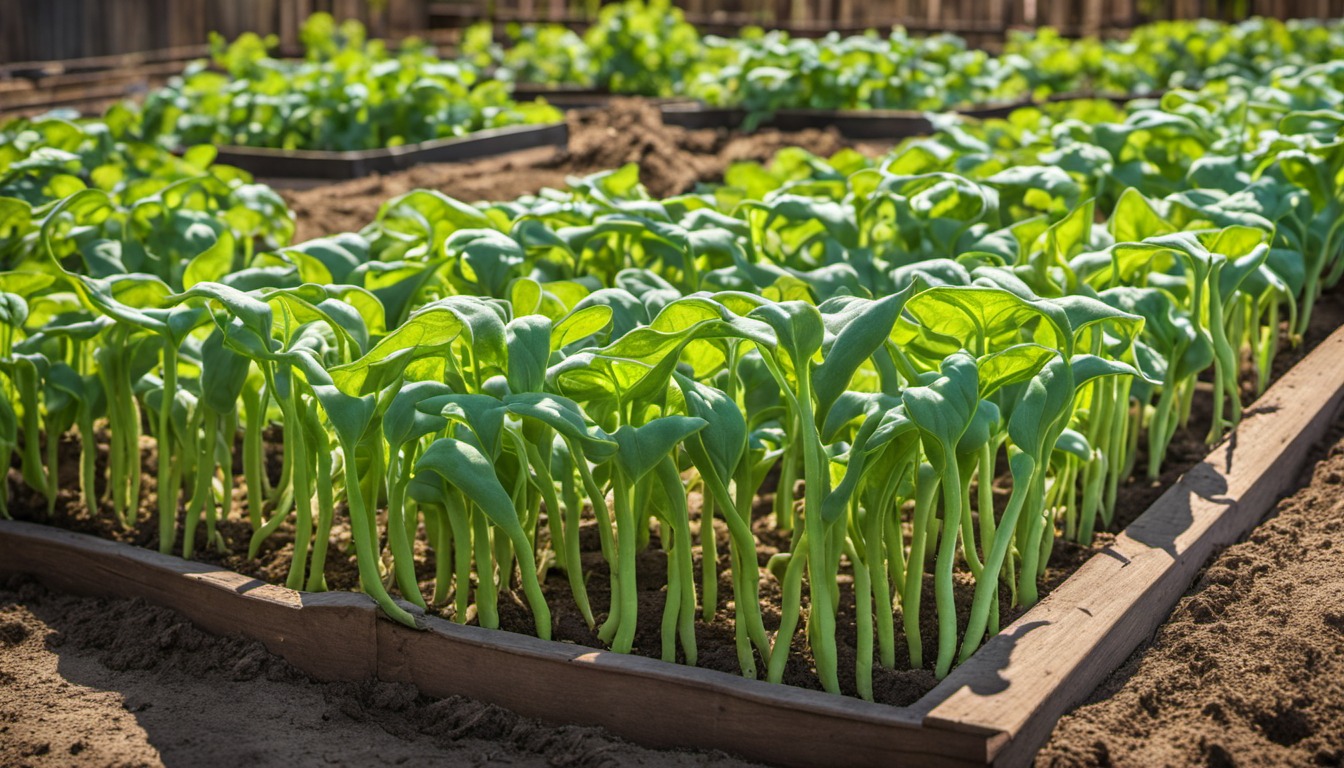
Harvest and clear for the next crop
Check pods regularly and pick while tender, supporting the stem so the plant is not pulled from the soil. A small row makes it easier to use the harvest promptly. Once the crop finishes, remove spent material and note pest pressure and the dates of first and last picking. Before following it with another vegetable, compare crop family, the bed’s condition and the next local planting window. If there is not enough time, protect the soil until a suitable season.
See regional timing differences
Texas A&M’s fall chart lists July 15 for bush snap beans in Region I and September 1 in Region III. These illustrate the regional spread; identify the region covering your garden and check current county guidance rather than using either date statewide. For another local reference, the 2024 Rockwall County Master Gardeners guide lists August 1–September 15 as the fall planting window for bush snap beans in North Central Texas. That is a regional range, not a statewide recommendation; check soil and weather as well as the packet’s maturity estimate.
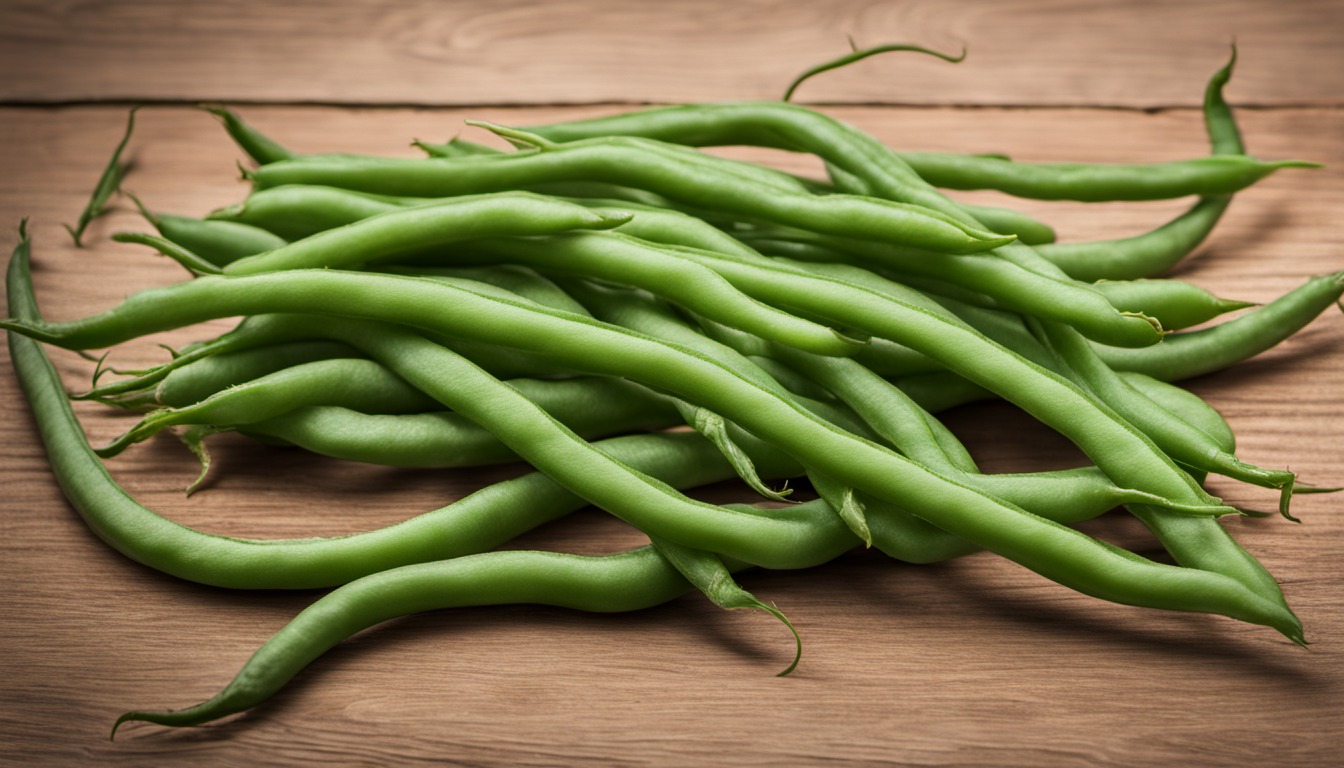
Measure a short row before sowing
Use the packet’s final plant spacing to estimate positions along the row, then reserve a path for picking. For example, ten feet contains 120 inches; at a chosen four-inch spacing it contains about 30 positions before accounting for row ends and germination. That is geometry, not a yield guarantee. Label each sowing separately if you repeat it.
Plan what follows
The Texas home guide recommends grouping crops by maturity and following a completed crop with an unrelated crop where practical. Once beans finish, compare the next crop’s family and local planting window with the actual date the bed is free. Rotation in a small garden cannot eliminate every pest or disease, but the bed record helps avoid repeating the same family immediately.