Texas garden field guide
A Texas Patio Herb Garden for Sun and Heat
A few herbs close to the kitchen can be more useful than a large bed you rarely visit. Start with plants you cook with, then group them by water and light needs rather than putting every herb in one crowded container.
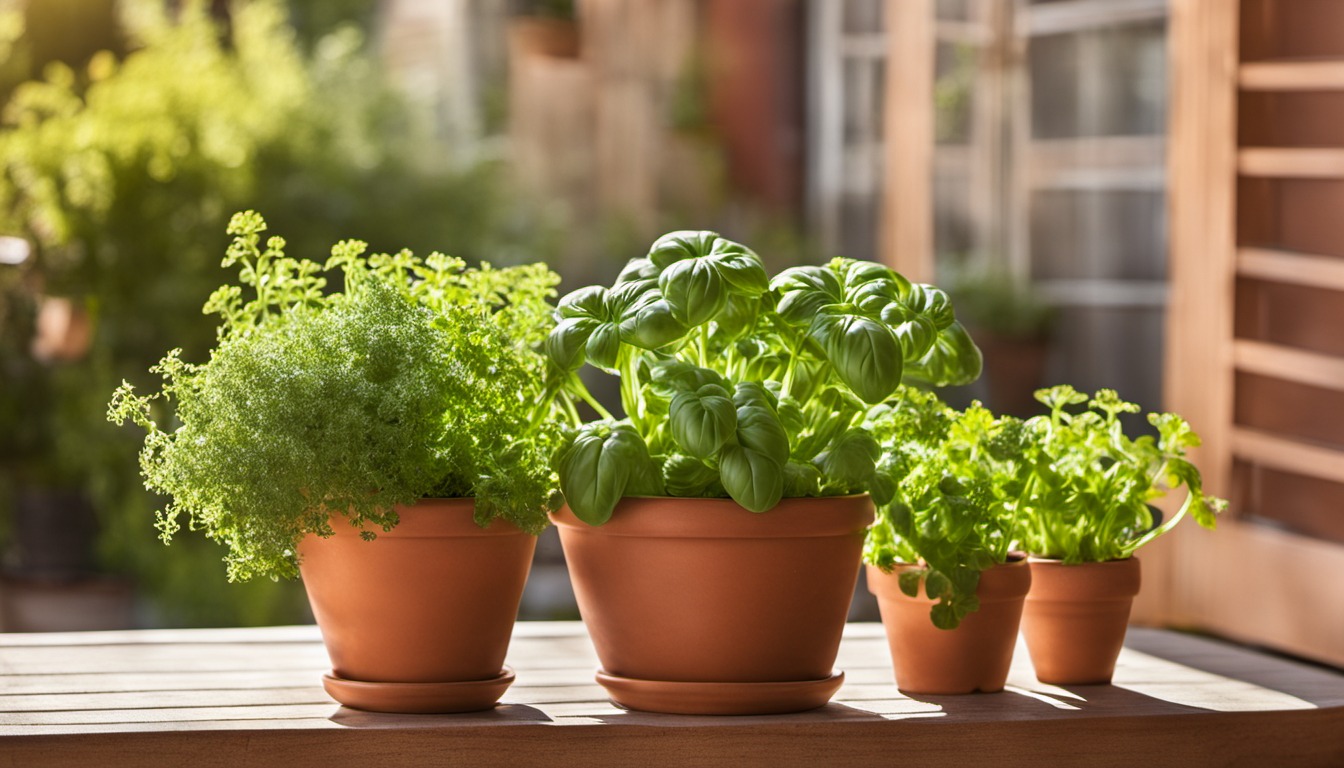
Match pots to the herbs you use
Start with a few culinary herbs and read each label for mature size, light and season. Texas A&M notes that annual and perennial herbs have different life cycles and that mint prefers more moisture than many other herbs. Separate containers let you adjust water without keeping every root zone equally wet. Stable pots with drainage holes and suitable mix are easier to manage than a crowded shared planter with incompatible plants.
Map the patio’s real light
Observe direct sun through the day and look for reflected heat from walls or paving. A morning-sun corner and an exposed afternoon corner may need different watering routines even a few feet apart. Check below the mix surface before watering, allow excess to drain and do not leave pots standing in a full saucer. Move a stressed plant gradually rather than shifting it immediately from deep shade to intense sun. Consider the weight of a wet pot on a balcony.
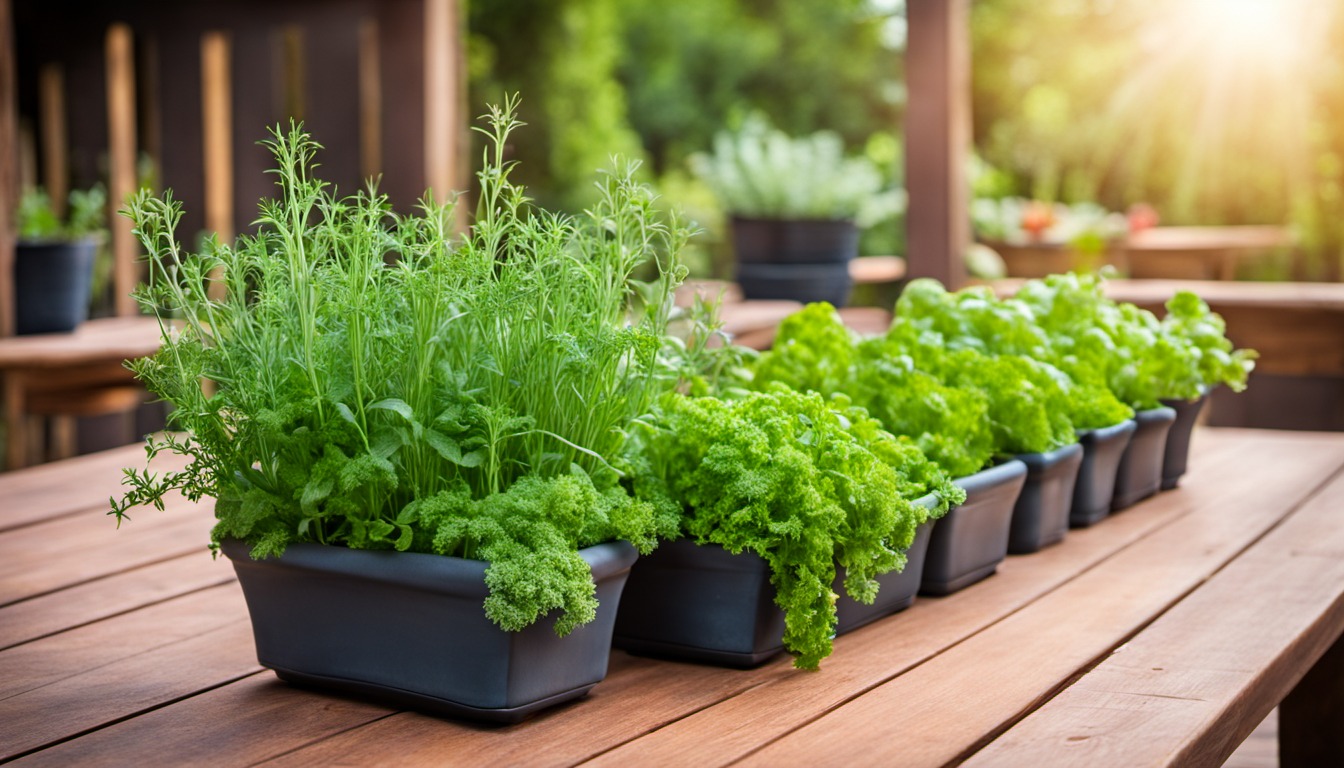
Harvest without stripping the plant
The Texas fall guide recommends gradually taking leaves of herbs such as parsley and chives rather than removing all foliage at once. Use clean scissors and leave enough growth for recovery. If the goal is leafy harvest, decide whether to remove flower stems; flowers can also be left when seed or pollinator visits are desired. Record which pots supplied useful harvests and which went unused before buying replacements for the next season.
Treat annual and perennial pots differently
Texas A&M’s fall guide distinguishes annual herbs from perennials. Keep a label and note whether the plant is expected to return in your conditions; place longer-lived pots where they will not obstruct seasonal replanting. Mint’s preference for more moisture is one reason to keep it separate from herbs that prefer a drier mix. Different pot sizes also dry at different rates.
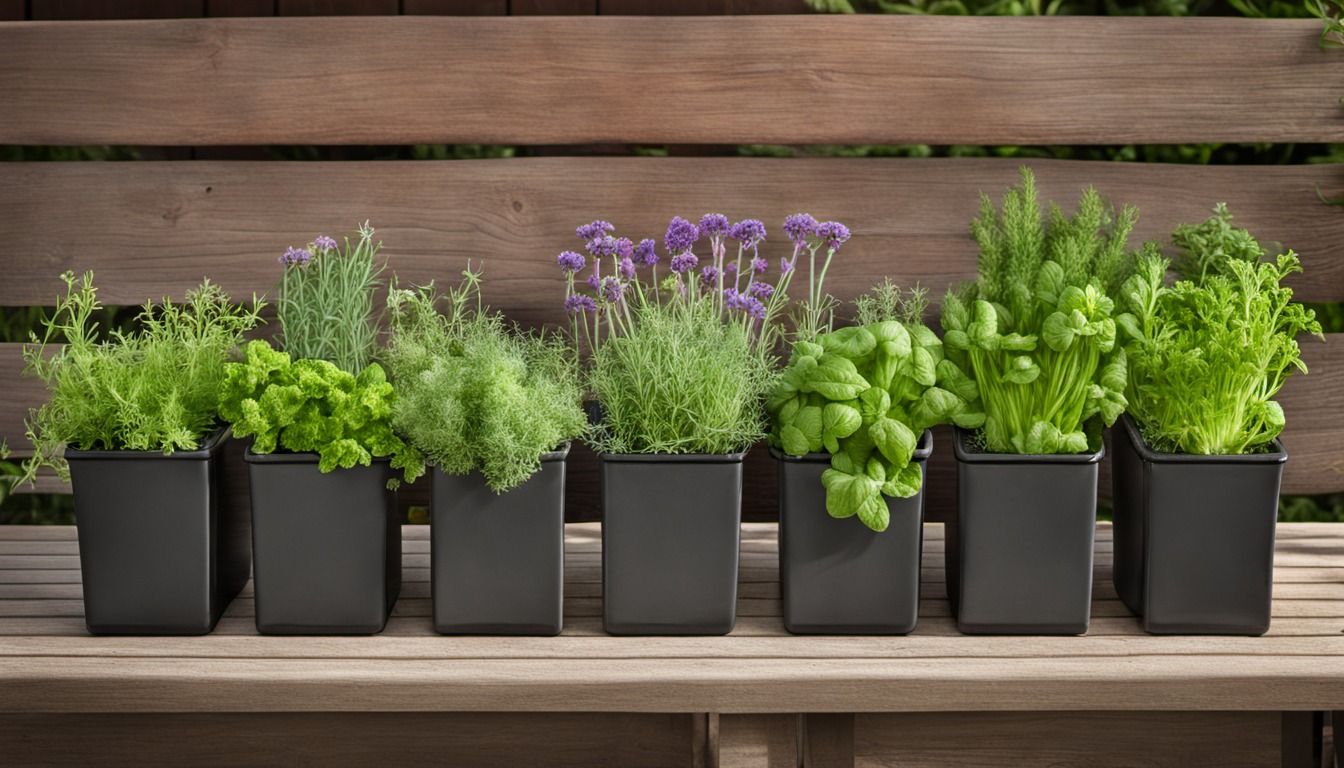
Prepare for a watering absence
Test a drip setup or arrange for someone to feel the mix below the surface rather than just checking that a timer ran. The smallest pot against a hot wall may need attention before a larger pot in morning sun. Make sure excess water drains safely and do not leave pots standing in a full saucer. A smaller collection is easier to maintain consistently.
Choose a site you can maintain
The Texas fall guide notes that many culinary herbs prefer good drainage and sun, while mints can tolerate partial shade and prefer more moisture. Use separate pots for different needs and check the plant label. A patio near the kitchen encourages regular harvest, but watch reflected afternoon heat. Record which location and pot size made a practical watering routine possible.