Texas garden field guide
Harvest and Reset a Texas Vegetable Bed Between Seasons
The end of a crop is the beginning of the next decision. A short reset gives you a chance to remove problems, check the soil and choose a new crop for the season ahead.
Finish the crop cleanly
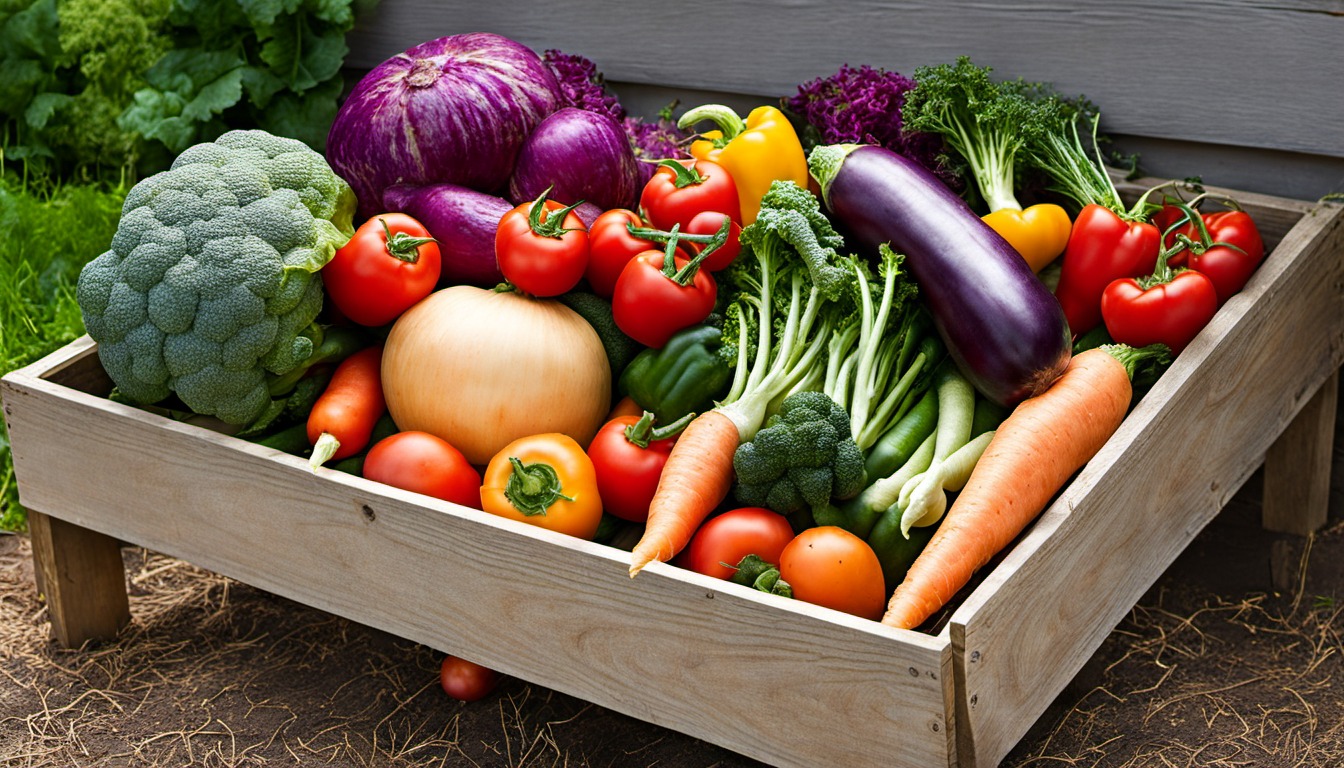
Harvest usable produce, then remove spent plants and weeds before they set seed. Texas A&M’s fall guide cautions against adding spring-garden residues likely to carry pests or disease to an ordinary compost pile. Separate suspect material and follow local disposal guidance. Clean tools and supports after a disease problem, and note what happened in the bed. Avoid digging or walking on soil that is sticky and wet; compacting it now makes the next crop harder to establish.
Use the bed’s history
Draw a simple map showing the previous crop family, sowing date, harvest and major problems. Texas A&M recommends grouping crops by maturity and following a finished crop with an unrelated one where practical. In a small garden, rotation cannot promise that every pest or disease disappears, but it provides a useful constraint when planning. Check the local window and mature spacing of the proposed replacement before ordering seed; an empty bed does not guarantee enough season remains.
Prepare for the next use
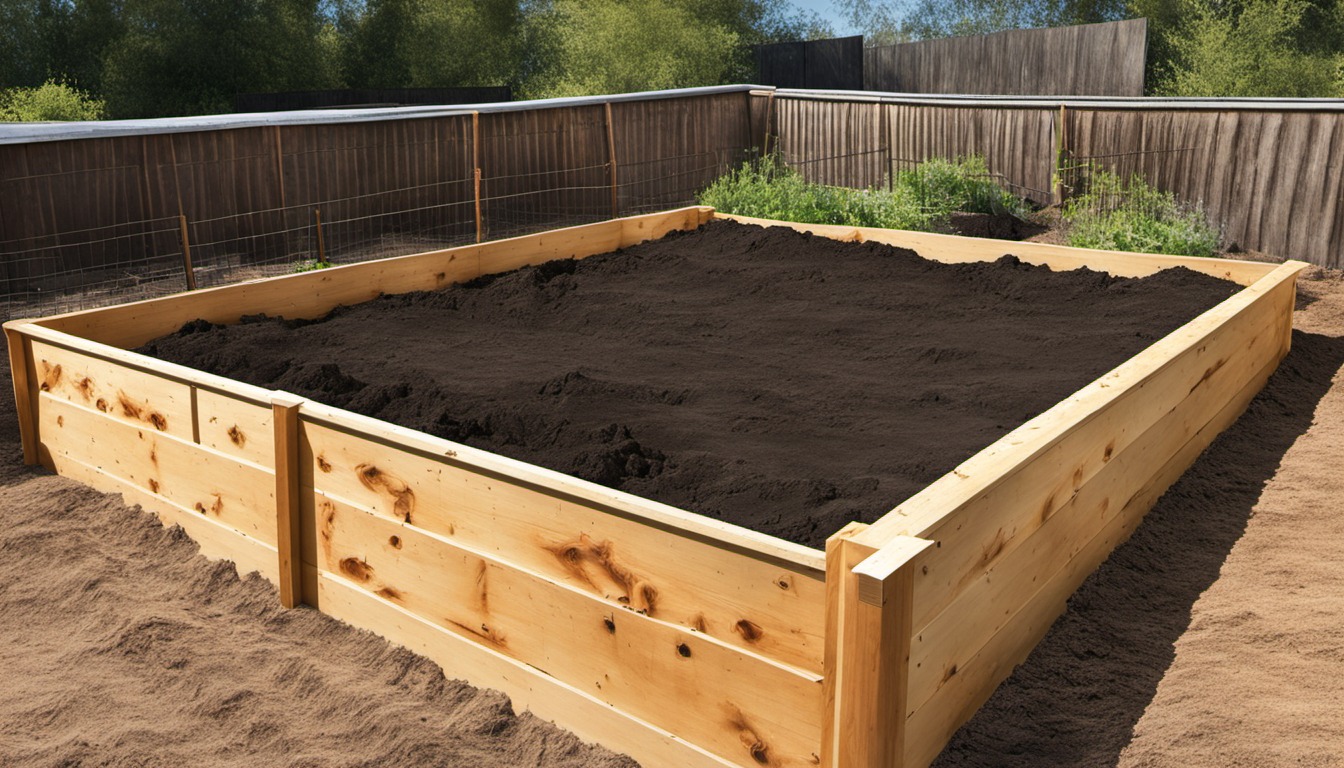
Inspect irrigation while the canopy is gone, repair a blocked outlet and decide whether to sow, transplant or hold the bed for a later window. Finished organic matter and a soil test can inform preparation, but poor harvest may also reflect heat, moisture or pests. If the bed will rest, use a suitable mulch or locally appropriate cover crop and plan when it must be removed. Record the next task and date so the transition does not depend on memory.
Map a realistic changeover
Mark where the finished crop grew, its family and when the space is actually available. The Texas home guide recommends grouping crops by maturity and following a finished crop with an unrelated one where practical. Compare the next crop’s local window and mature spacing before ordering seed. A small garden cannot rotate far enough to eliminate every pest or disease, but the record helps avoid repeating the same family immediately in the same spot.
Keep the idle bed protected
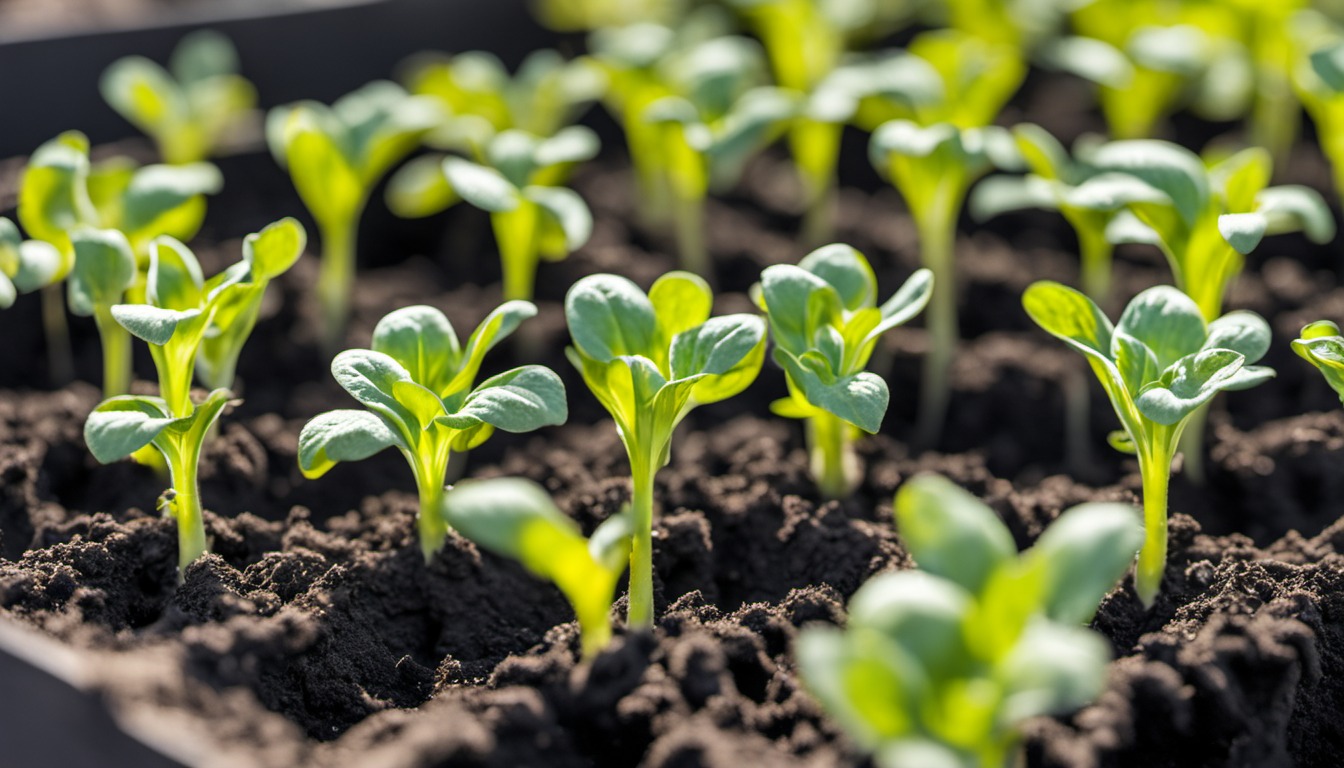
If no suitable planting window remains, use an appropriate mulch or a locally suited cover crop and set a date to reassess. A cover crop needs enough time to grow and a plan for removal before the next vegetable planting. Check drip lines and supports while the canopy is gone. A soil test can guide nutrients, while observations of compaction, drainage and pests help explain problems it does not measure.
Use the empty bed to inspect equipment
Before new foliage hides it, run the irrigation briefly and look for dry outlets, loose connections and runoff. Take down unstable supports and clean tools after a disease problem. If the soil is sticky, postpone digging and use paths while you wait. Record the date the bed actually became available; the next crop’s local window may differ from the one you expected when the first crop was planted.