Oklahoma garden field guide
Grow Tomatoes in an Oklahoma Home Garden
A few healthy tomato plants can fill a small garden, but successful timing depends on more than the date on the calendar. Start with warm soil, a suitable variety and a support plan.
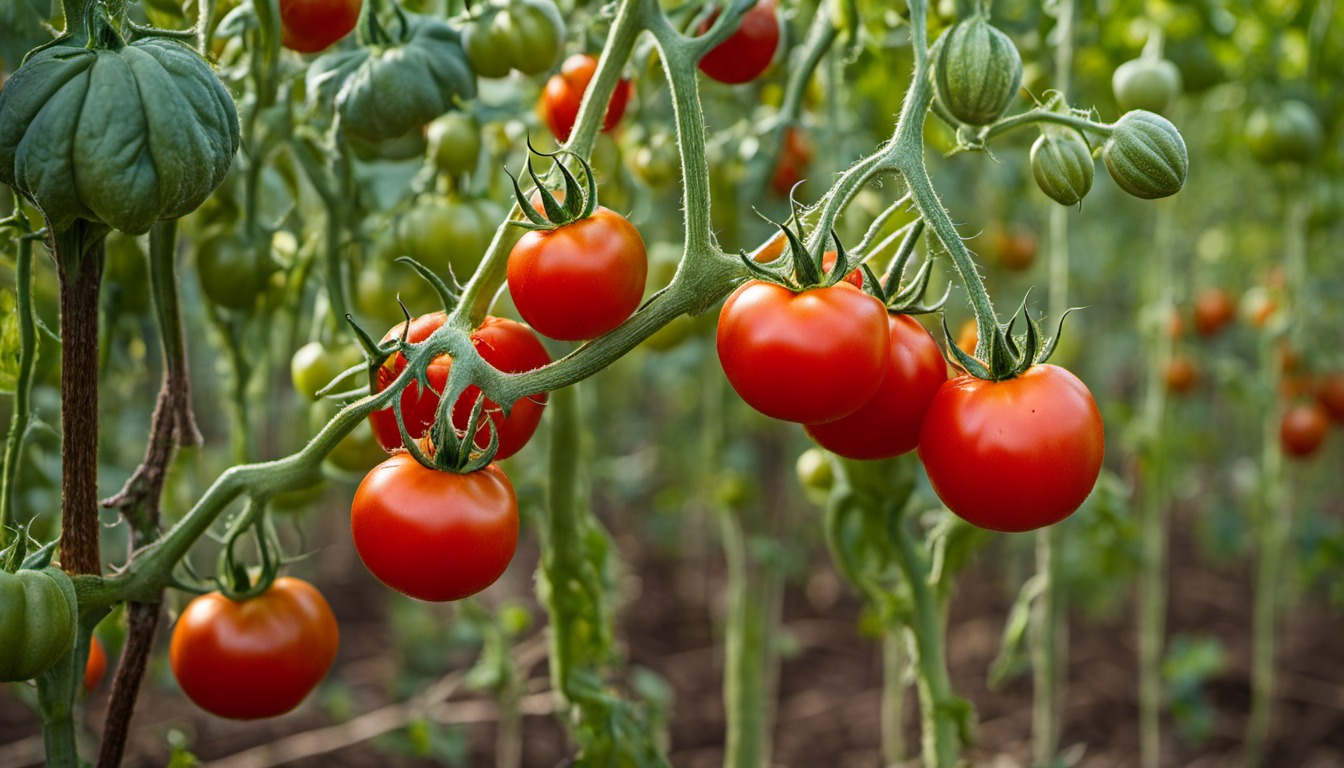
Choose your plant and space
Select varieties for the fruit size, growth habit and disease resistance you need. OSU lists varieties tested in Oklahoma; availability and performance can change. Give plants a sunny, well-drained site and leave enough space for the mature plant and for you to reach the fruit.
Wait for warmth
OSU recommends transplanting after weather warms and soil is above 60°F. Its approximate examples are April 5 in southern Oklahoma and April 25 in the northwest. They are not guarantees: cold spells, wet soil and site exposure can justify waiting. Harden indoor-grown plants before they go into the bed.
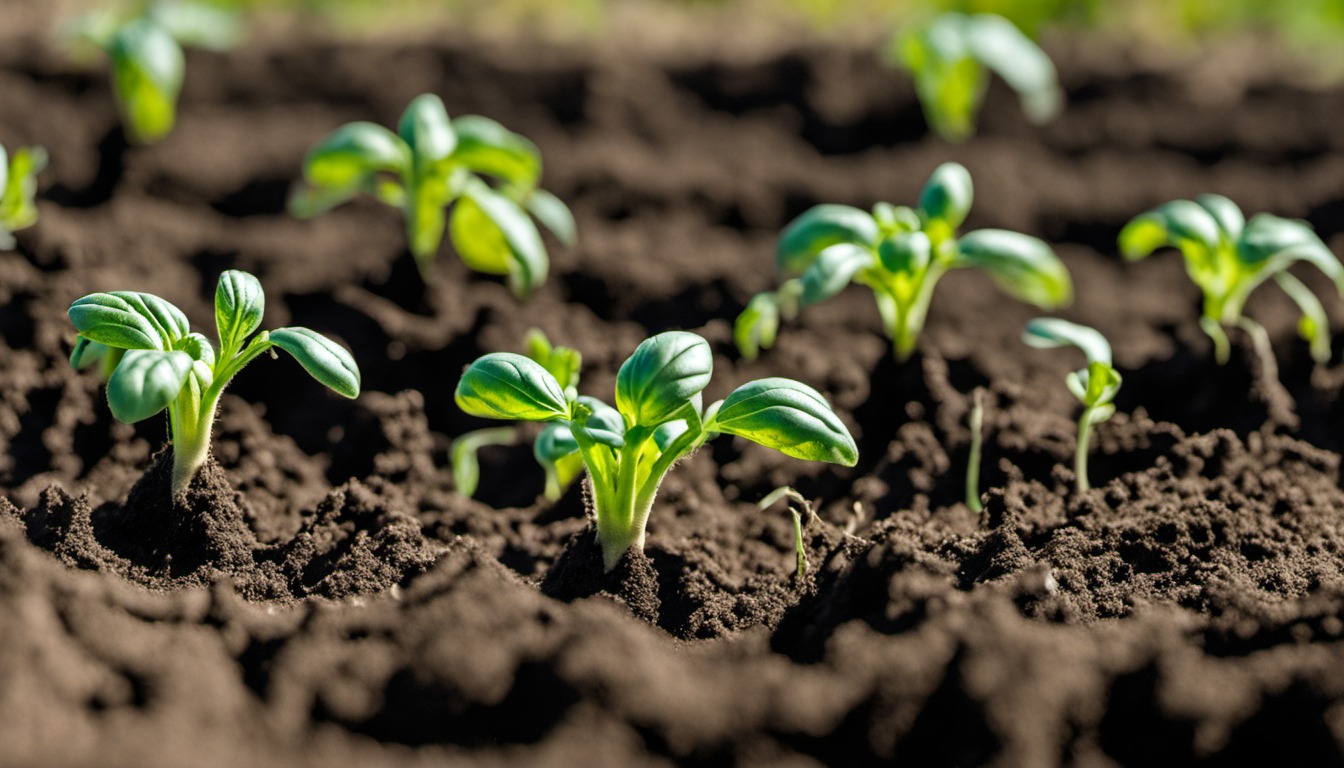
Install support early
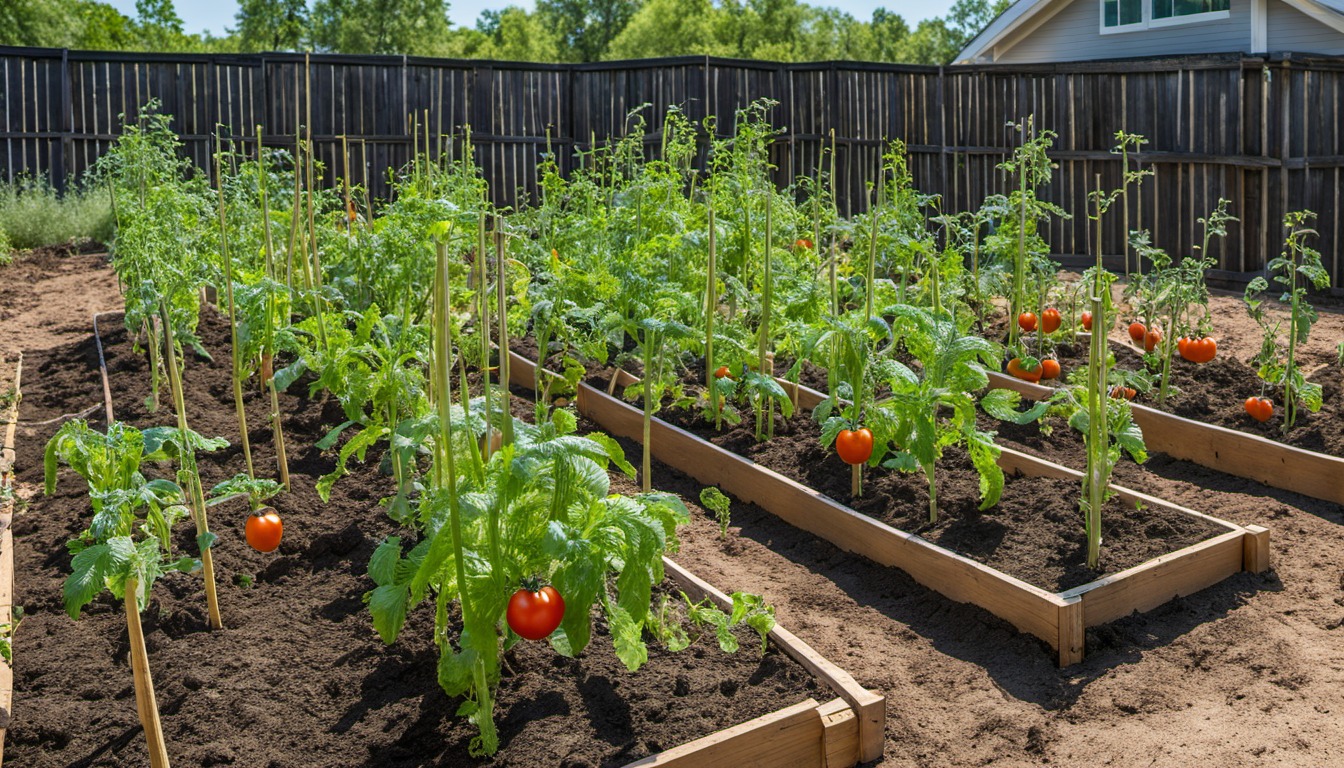
Stake or cage plants soon after planting so later installation does not damage roots. Tie stems loosely with soft material and allow room for growth. Bush and vining varieties occupy different amounts of space; read the plant description before selecting a support or container.
Water evenly and mulch
Check the root zone during establishment, then water according to soil and weather. Mulch helps reduce evaporation and soil splash while suppressing weeds. Blossom-end damage and cracking have several contributing conditions; avoid diagnosing them solely as a fertilizer shortage and consult OSU’s tomato guidance.
Harvest and troubleshoot
Inspect leaves and fruit regularly, including undersides, and identify the cause before applying a treatment. High heat can interrupt fruit set even while plants continue growing. Pick usable fruit regularly and clean up diseased debris; record variety, planting date and performance to improve next season’s choices.
Example: plan one supported plant
Before planting, reserve room for the mature variety and the cage or stake, not just its small root ball. If the chosen spot is poorly drained, OSU suggests raised beds or mounds for tomatoes on heavy or poorly drained soils. Install the support early, then tie growth loosely so a thickening stem is not constricted. Keep a path open for checking and harvest.
If leaves wilt on a hot afternoon, check soil and roots before adding water: a saturated bed can also leave roots unable to function well. If fruit cracks after irregular moisture, improve consistency rather than treating the symptom as proof of a specific nutrient deficiency. Consult the OSU tomato guide or county Extension for identification when symptoms persist.
Choose fruiting varieties with a realistic harvest goal: a few smaller-fruited plants can serve fresh eating differently from paste tomatoes intended for preserving. Review disease-resistance codes against the problems identified locally. A resistance label reduces particular risks; it does not make a plant immune to all diseases or poor conditions.