Oklahoma garden field guide
Growing Peppers in Oklahoma Gardens
Peppers reward warm conditions and a steady start. Sweet and hot types share many needs, but their mature size, heat and days to harvest vary by variety.
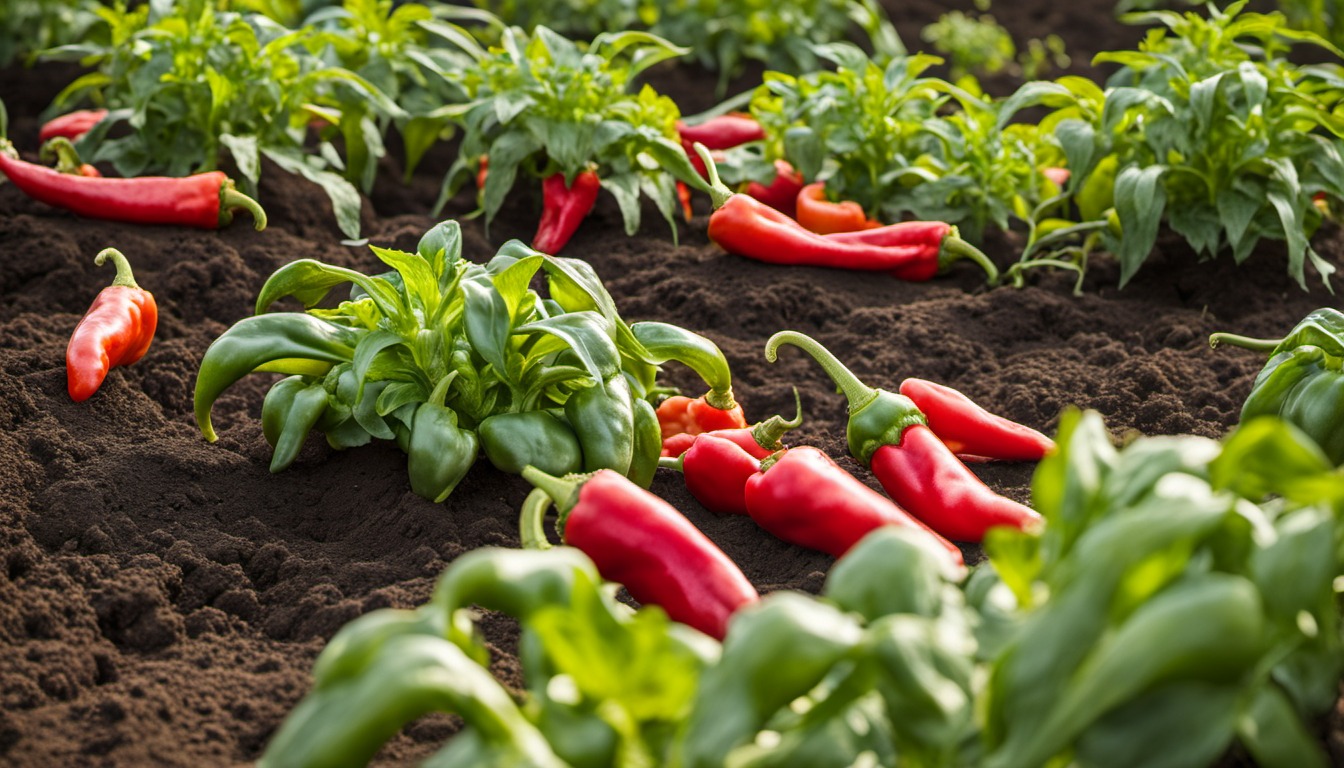
Select for the harvest you want
Decide whether you want a crisp sweet pepper, a hot cooking pepper or a compact container plant. Check days to maturity and the final color on the label, and use OSU’s variety list as one source of choices tested in Oklahoma. Leave enough space for the mature plant.
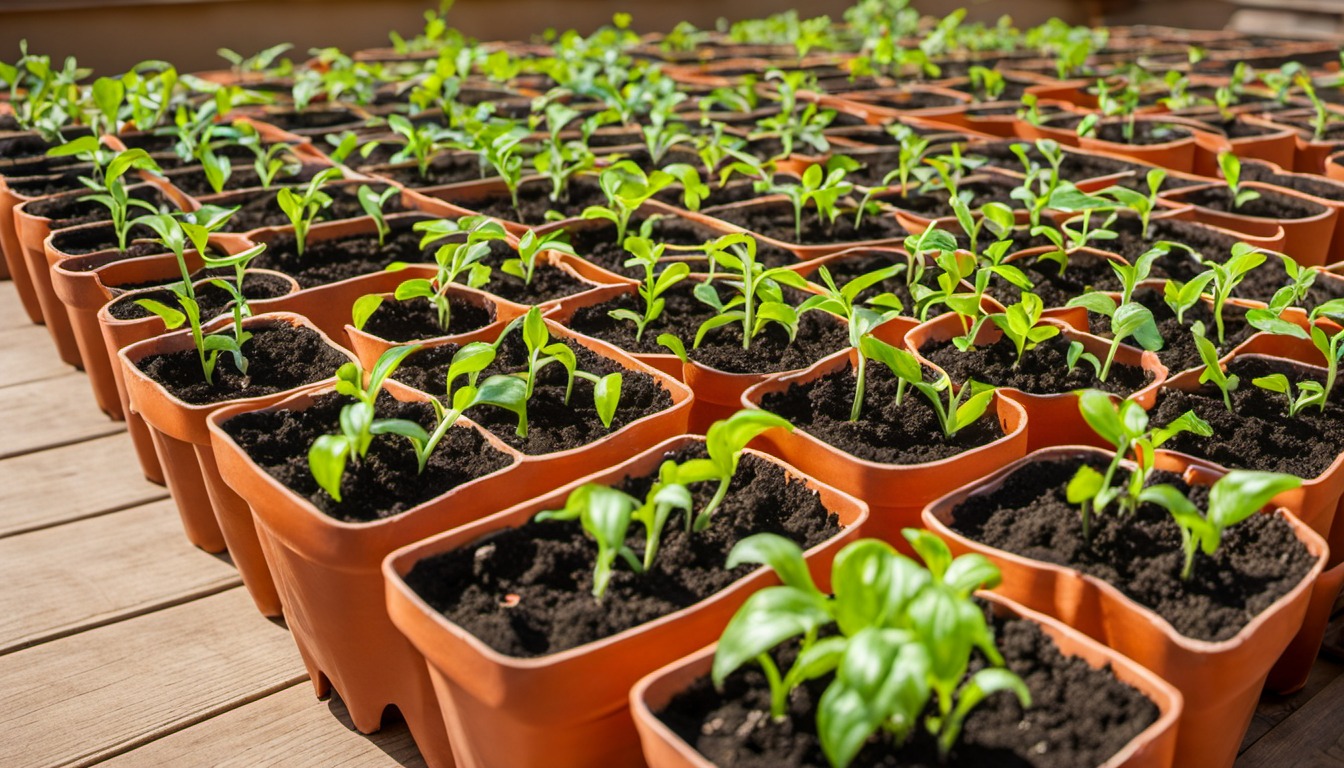
Start transplants on time
OSU’s transplant guide lists peppers among crops suited to transplanting and gives a typical six-to-eight-week growing period. Work backward from your local planting window, use clean mix and good light, and gradually harden the plants before they move outside.
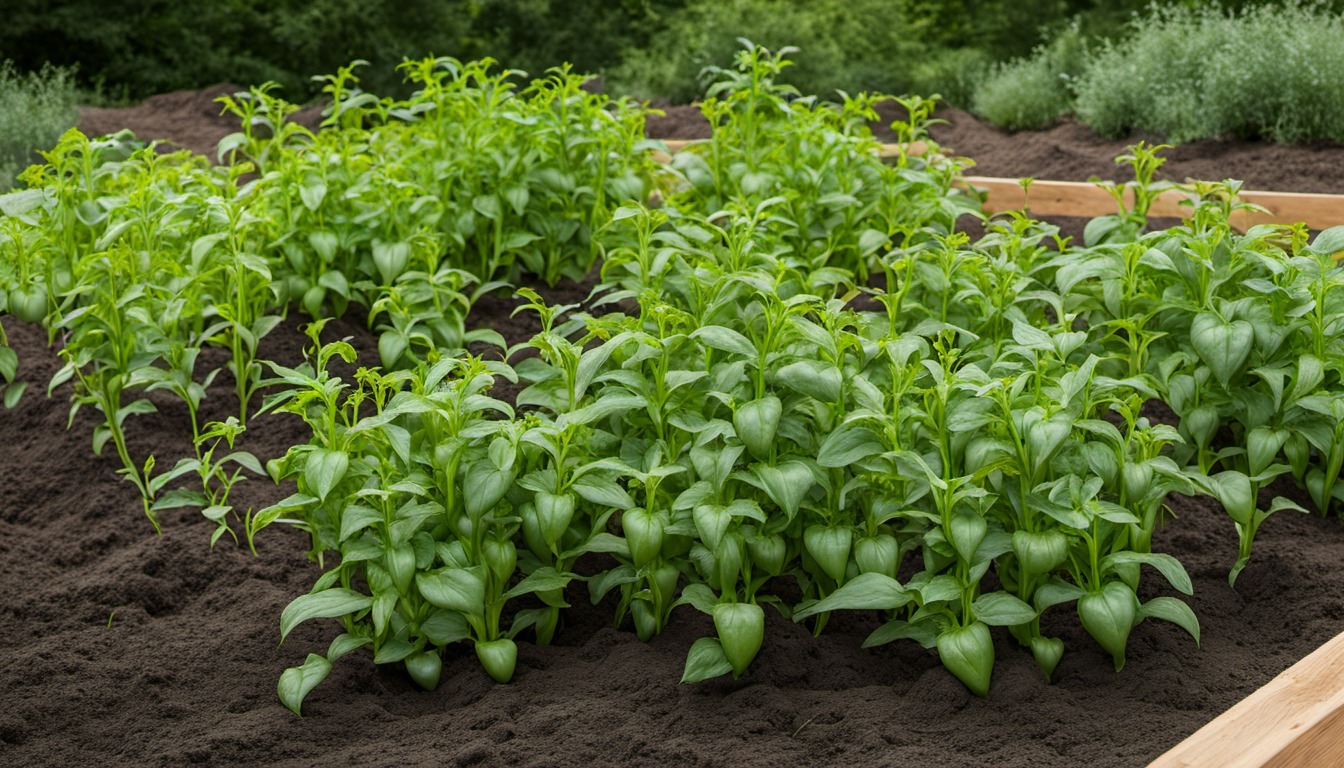
Wait for settled warmth
Peppers are tender warm-season crops. A frost average is only one planning anchor; cold soil and a poor forecast can still make an early transplant struggle. Check OSU’s crop chart, the packet and local conditions, and avoid planting into waterlogged ground.
Keep roots steady
Water young root balls and surrounding soil as needed, then mulch once plants are established. A small stake can support a plant carrying fruit, especially in an exposed site. Avoid heavy fertilizer applications without a soil-test basis; excessive leafy growth does not guarantee an earlier harvest.
Pick and handle safely
Peppers can often be picked before their final ripe color; flavor changes as they mature. Cut fruit rather than pulling hard on branches. Hot pepper oils can irritate skin and eyes, so wash hands and tools after handling and avoid touching your face. Scout for pests before choosing a response.
Example: choose a patio pepper
A compact pepper can fit a patio container if the pot is large enough for its mature roots, has drainage and receives suitable light. Read the plant label for mature size and fruit type. Set a small support early and place the container where wind will not easily tip it. Check the mix below the surface during hot weather; a patio pot can dry faster than an in-ground bed.
If flowers drop without fruit, review temperature, moisture and the plant’s general condition rather than immediately adding fertilizer. A young transplant may need time to establish before carrying a crop. Pick the first fruit at the stage recommended for the variety and use a cutter so brittle branches are not pulled apart.
Label sweet and hot varieties clearly, especially when sharing a bed or harvest basket. The appearance of fruit alone is not a reliable measure of heat. Use separate clean tools where helpful, wash hands after handling hot peppers and keep cut fruit away from eyes and sensitive skin.