Oklahoma garden field guide
Grow Sweet Potatoes in Oklahoma
Sweet potatoes are a warm-season crop grown from slips, not the same planting material as Irish potatoes. Give their vines space and leave enough frost-free time for roots to develop.
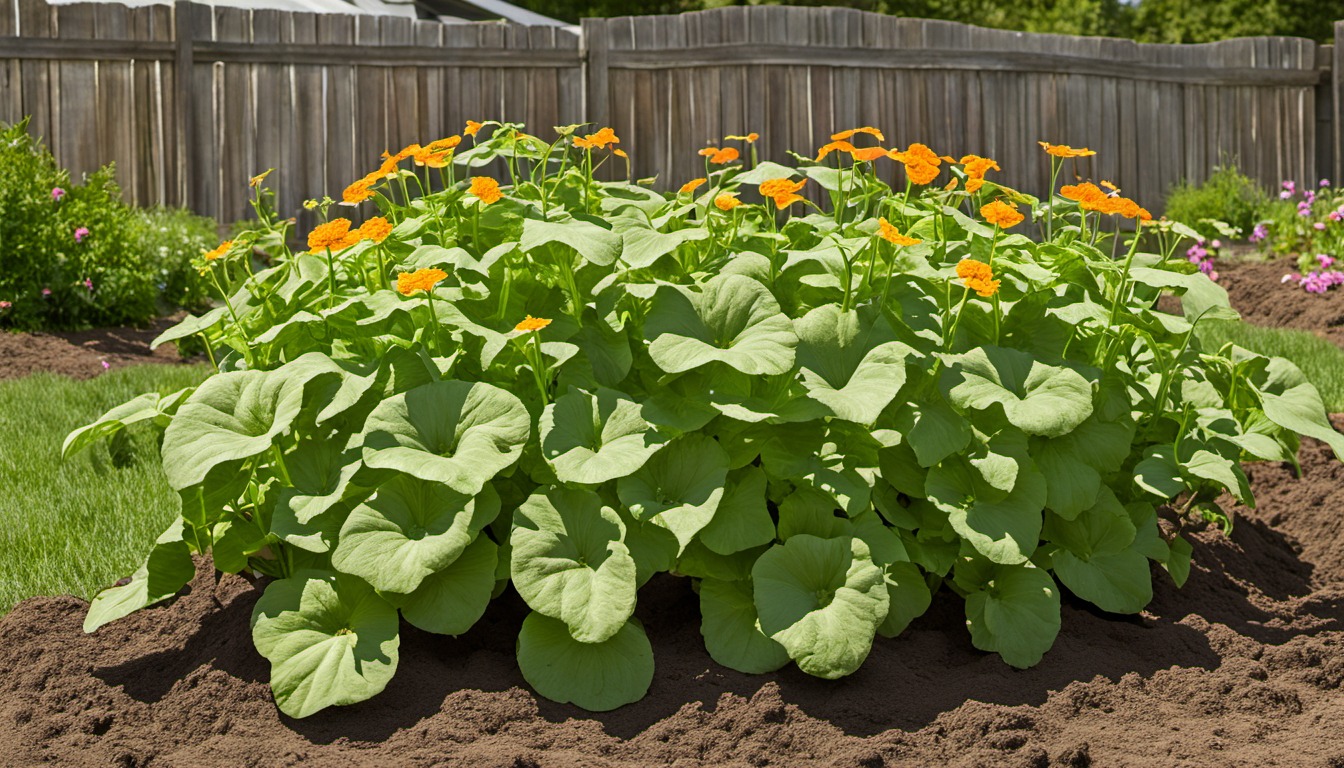
Choose slips and space
Obtain healthy slips of a variety suited to your growing season. OSU’s Oklahoma vegetable variety list is a useful starting point. Sweet potato vines spread, so reserve a bed or edge where they can grow without smothering a smaller crop or blocking a path.
Wait for warm conditions
Use the crop-specific OSU planting chart and local weather rather than putting slips out immediately after the average last frost. Cold soil can slow establishment. Prepare a well-drained bed when workable, and water the slips and surrounding soil as roots establish.
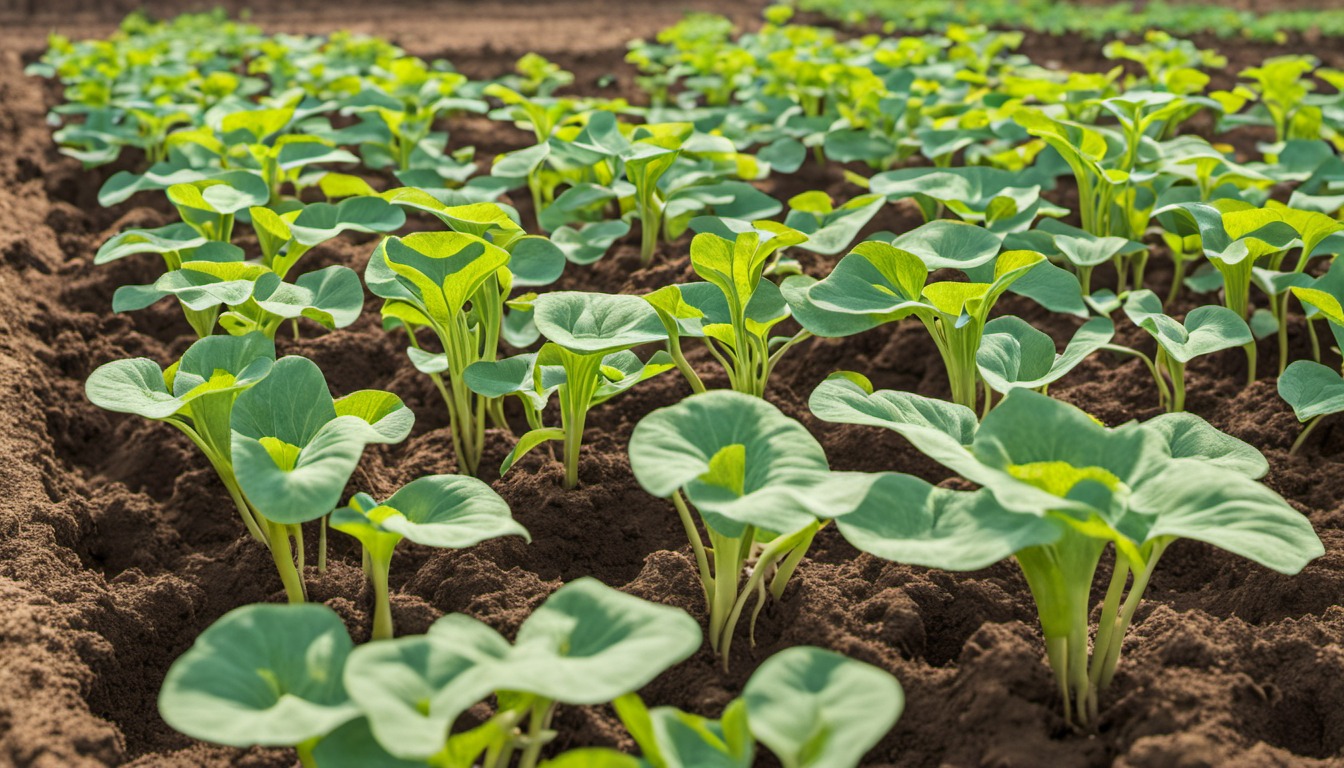
Manage the bed
Keep weeds down early while the plants are small; later vines can cover much of the soil. Mulch can reduce evaporation in exposed areas. Check moisture beneath the foliage, especially during hot dry weather, and avoid damaging developing roots with deep cultivation.
Plan harvest before cold
Compare the variety’s maturity estimate with the local season and forecast. Use a fork or spade carefully, starting away from the plant to avoid cutting roots. Handle freshly dug roots gently; bruises can shorten storage life.
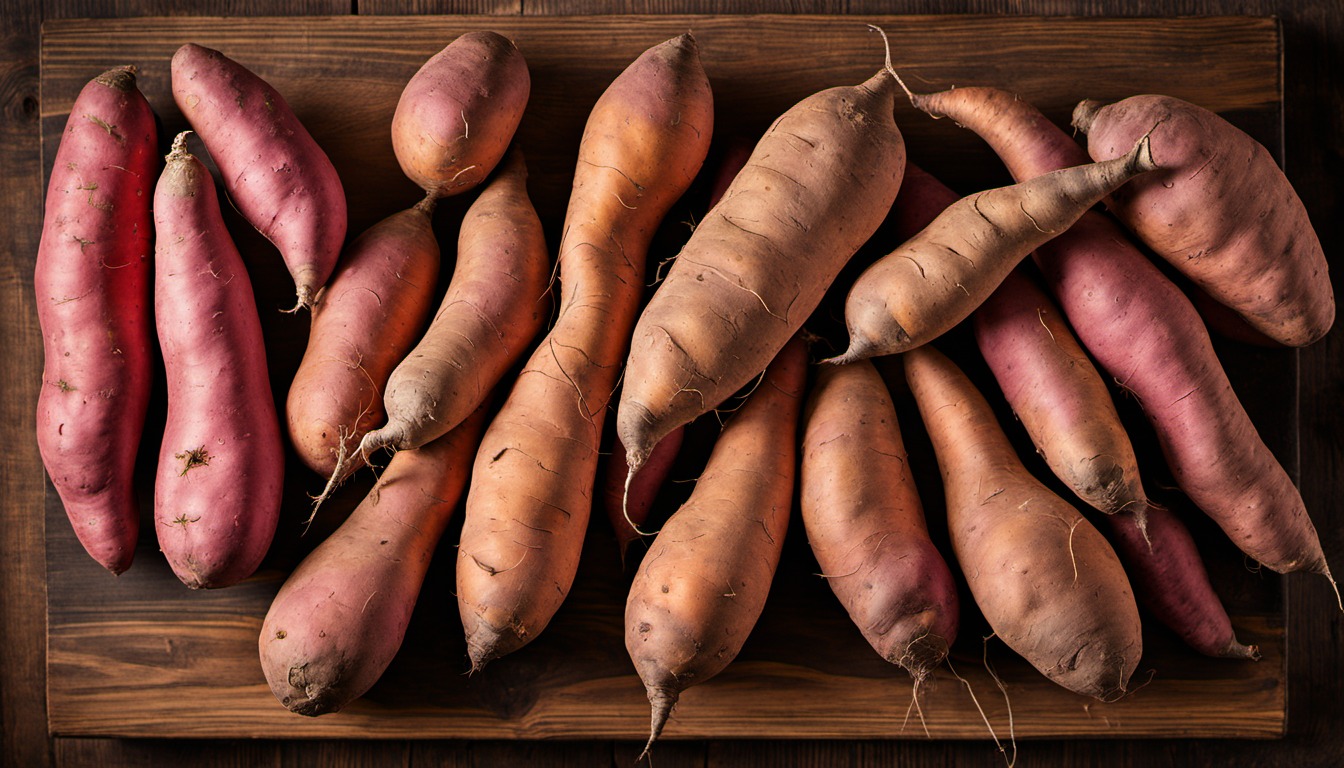
Cure and store appropriately
Sweet potatoes benefit from proper curing and storage conditions, which differ from those for Irish potatoes. Consult current Extension guidance for your variety and setup, and discard damaged or decaying roots rather than storing them with sound ones. Keep a record of planting and harvest dates for next year.
Example: reserve the bed until harvest
Mark the planting date and the variety’s estimated maturity on a bed sketch. Because vines spread and the crop remains in place for months, plan a separate area for fall greens rather than assuming the sweet potato bed will open early. Keep the path visible as vines grow so you can water and inspect without stepping on them.
At harvest, begin digging well away from the plant and lift carefully; roots can extend beyond the visible crown. Separate cut or bruised roots for prompt use rather than mixing them into storage. Curing is a controlled process, not simply leaving roots outdoors indefinitely. Ask Extension for current conditions suitable for your harvest and home storage setup.
The OSU production guide describes controlled curing and storage conditions for commercial crops. A home gardener may not have the same equipment, so do not improvise unsafe heating or sealed humid spaces. Use sound roots promptly if appropriate storage is unavailable and consult Extension for practical home-scale options.