Oklahoma garden field guide
Help an Oklahoma Vegetable Garden Through Summer Heat
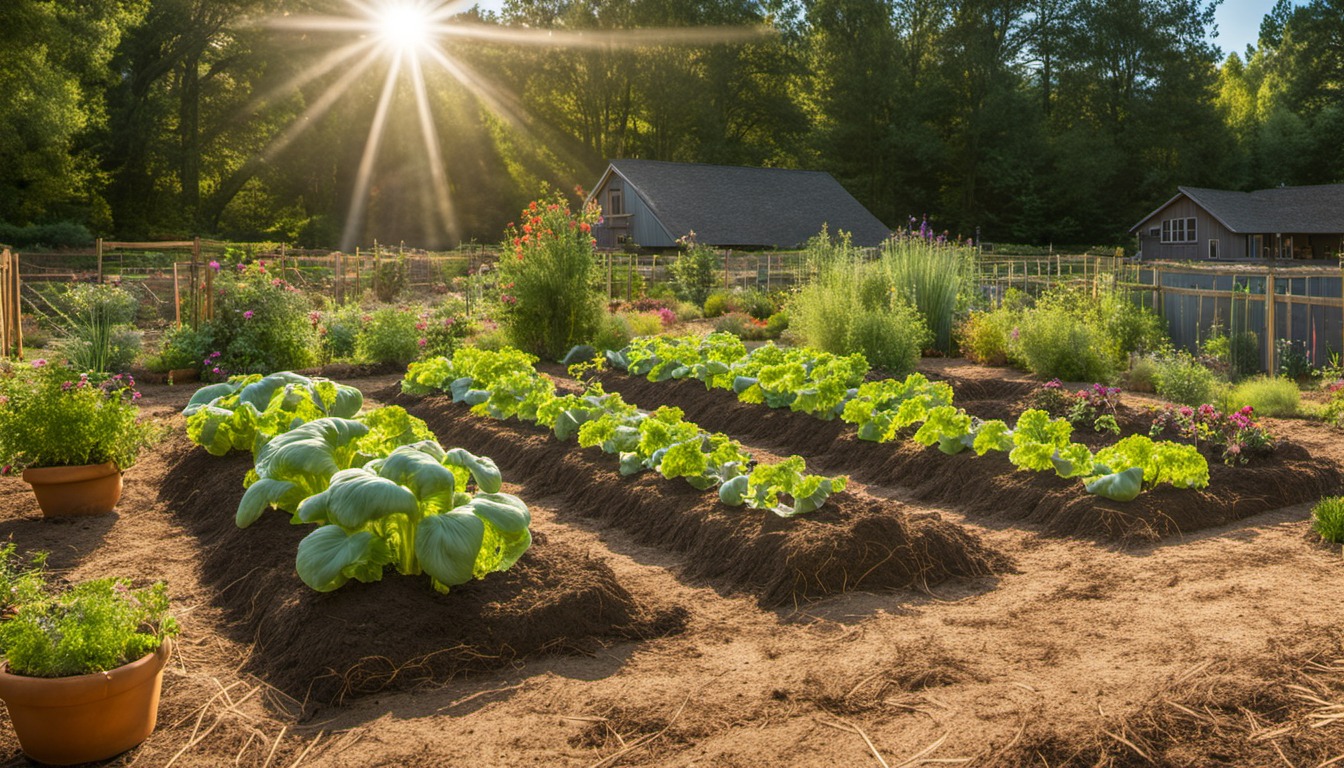
Long sunny days can grow vigorous warm-season crops, but heat and wind also dry young roots quickly. Focus on the condition of the soil and plants rather than a fixed watering ritual.
Check the root zone
OSU describes approximately one inch of water per week during May and June and two inches during July through September as general garden guidance when rain is absent. These are not universal irrigation settings: soil, plants, rain and delivery losses differ. Feel the soil and adjust; shallow seedlings need attention to the seed zone.
Slow evaporation
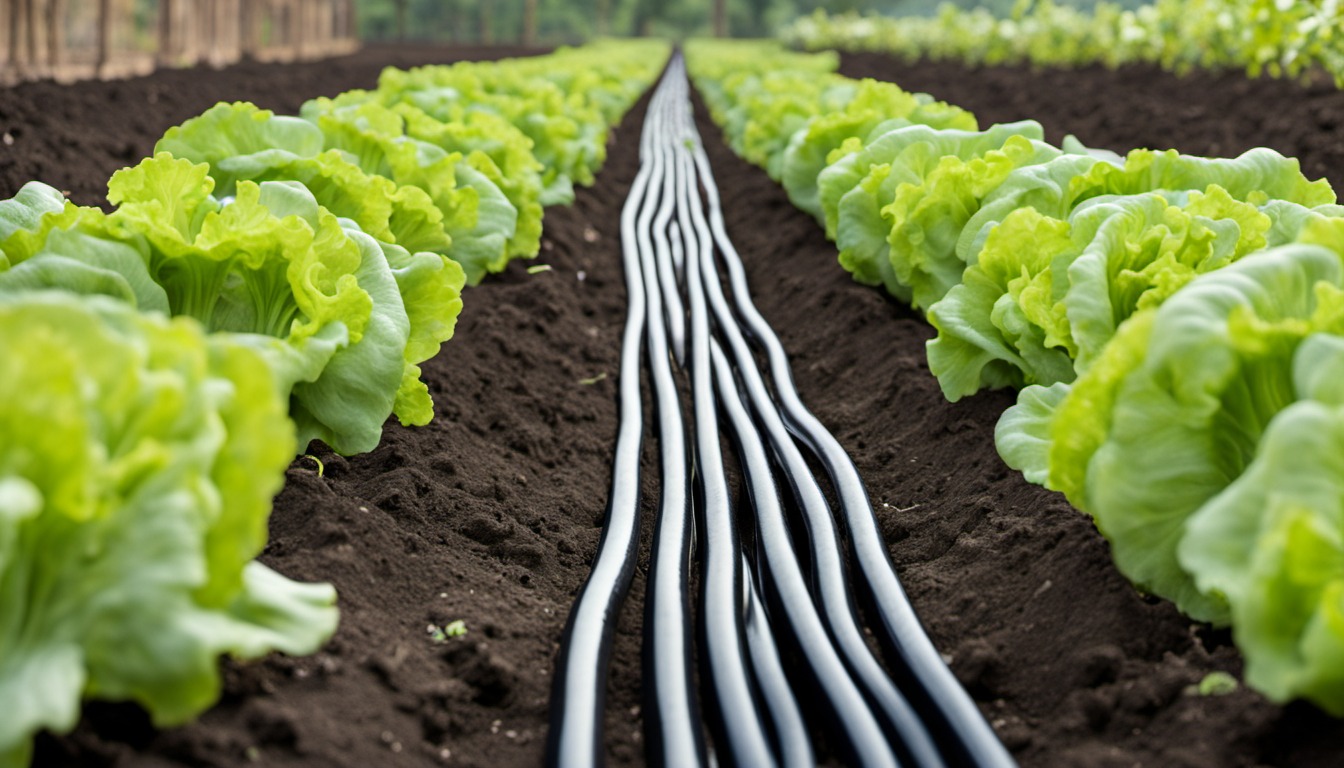
A layer of appropriate organic mulch can shade soil and reduce weed pressure. Put it on after plants are established and leave breathing room around stems. Mulch does not fix waterlogged soil, and it can hide dry soil beneath the surface, so check before adding more water.
Protect new arrivals
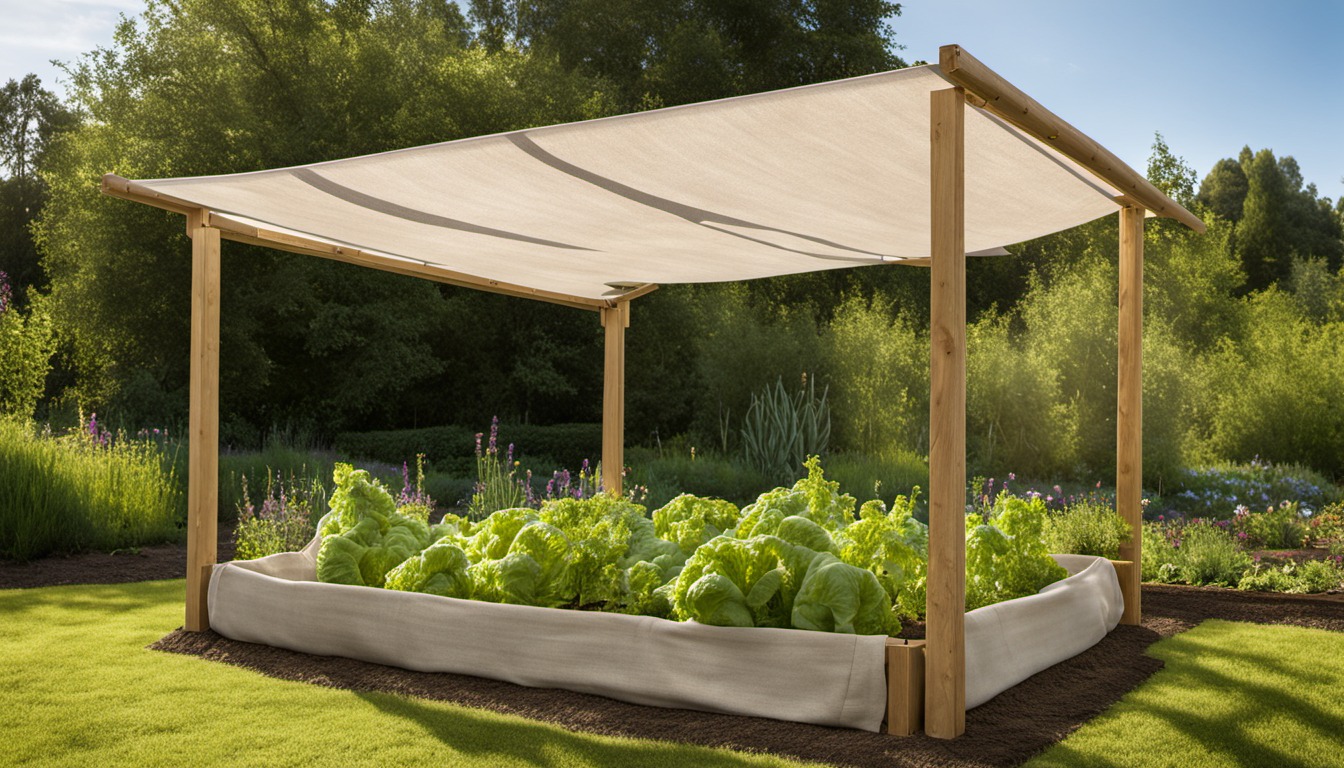
A small transplant has a limited root system. Check its root ball as well as the surrounding bed because one can be dry while the other remains moist. Temporary shade can ease establishment during intense sun, but remove or reposition it as plants recover and weather changes.
Watch crops, not just the clock
Harvest beans, squash and okra frequently while they are at the preferred size. Remove damaged fruit, inspect leaves and undersides, and distinguish insect damage from water stress before treating anything. Heat can interrupt tomato fruit set; more fertilizer is not automatically the remedy.
Prepare for the transition
Summer is also the start of fall planning. Check the OSU fall table before clearing a productive bed, start appropriate transplants in time, and make sure a water source is available for young plants. Write down which beds dried fastest and use that observation when choosing next year’s layout.
Troubleshoot an uneven bed
If one end of a bed wilts while the other stays green, check the wetting pattern before increasing the entire system’s run time. A kinked line, clogged emitter, exposed edge or different soil depth may explain the difference. Repair the actual cause, then check the soil again after watering. A plant can also wilt for reasons other than lack of water, including root damage and disease.
For a new fall transplant, check its small root ball and the soil beside it separately. Temporary shade and a wind-protected location can reduce stress while roots spread, but they do not replace water or careful observation. Remove or adjust protection when the plant is established and the weather moderates so it receives adequate light.
A simple weekly log of rainfall, irrigation and harvest provides context for problems later. Note whether a measurement came from your garden or a nearby station. If plants struggle despite moist soil, inspect roots and leaves and contact Extension with clear photographs instead of repeatedly increasing the water volume.