Oklahoma garden field guide
An Oklahoma Garden Calendar Built Around Your Weather
An Oklahoma garden calendar is a sequence of decisions, not one date for the entire state. Start with a crop and a nearby weather record, then make room for soil conditions, summer heat and the harvest you actually want.
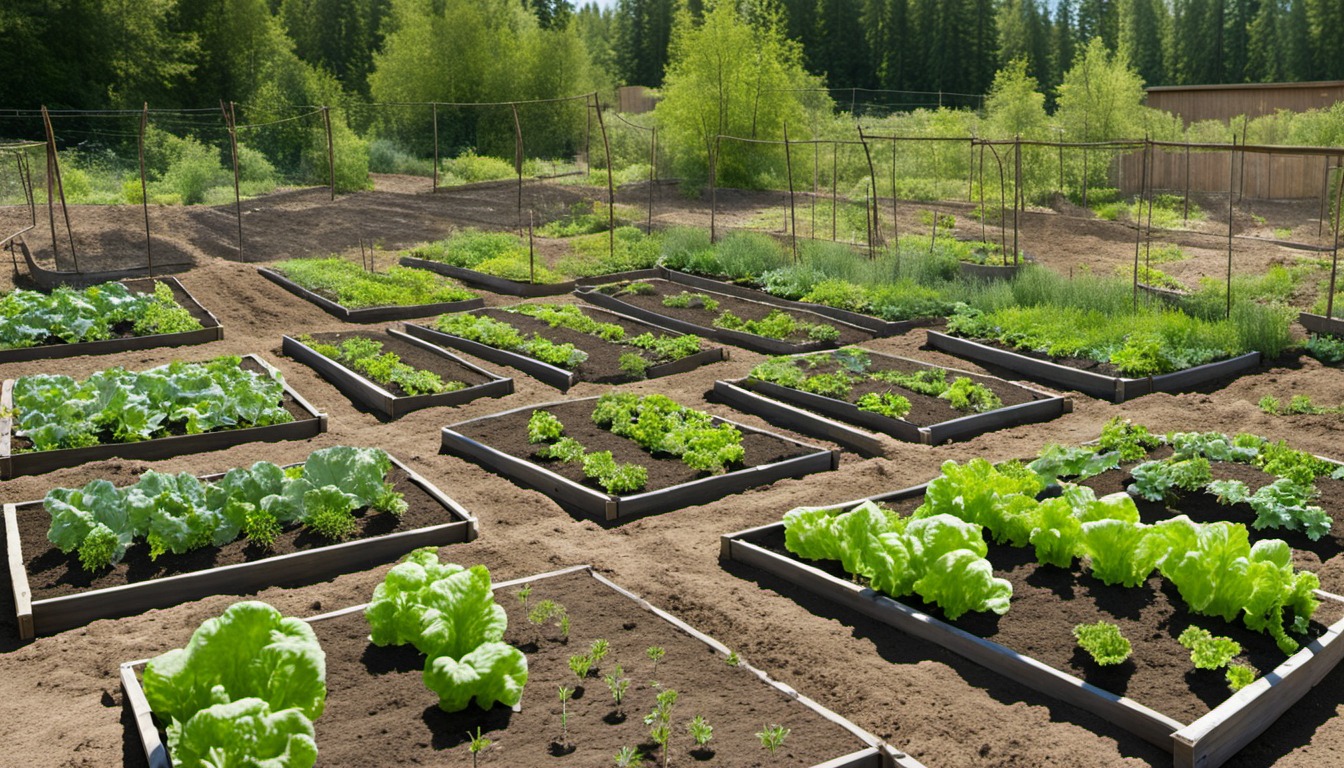
Choose the right anchors
Record a nearby average last spring frost and first fall frost, but remember that an average does not predict this year’s last freeze. The USDA hardiness zone describes average extreme winter cold for perennial survival; it does not tell you when a tomato is safe outdoors. Check a forecast before moving tender plants.
Read the statewide chart carefully
OSU’s planning guide presents date ranges from earlier in southeast Oklahoma to later in the northwest. A range is a geographic guide, not an invitation to plant every crop at either endpoint. Match the crop and starting method, then ask your county Extension office how local elevation and exposure change the choice.
Put the season on paper
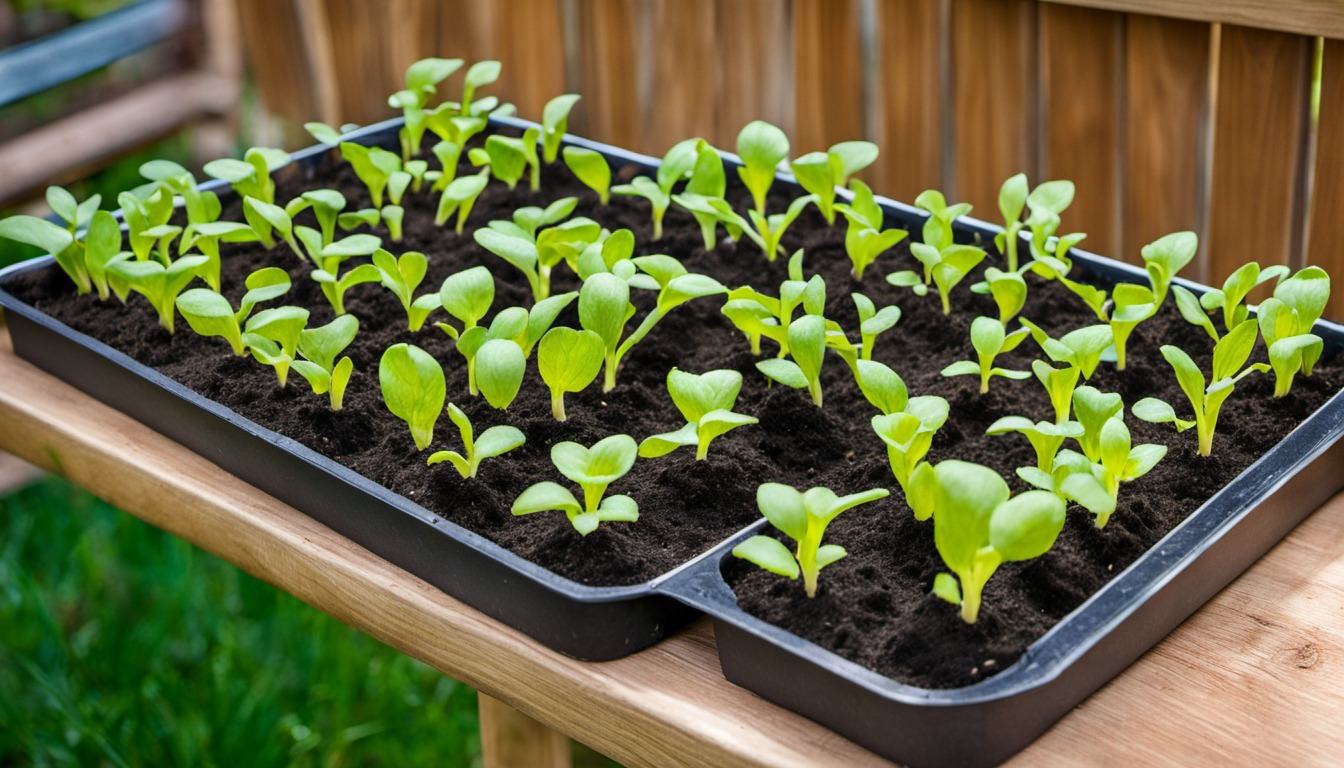
Sketch the bed and list each crop’s planting method, expected maturity and likely harvest period. Check whether a seed packet measures days from sowing or transplanting. Leave access paths, support space and time to clear an old crop before the next planting; a calendar date is useful only when a bed is actually available.
Work backward for fall
Choose a first-frost estimate and subtract the variety’s maturity days, then allow extra time for slower growth as days shorten. Compare that arithmetic with OSU’s crop-specific fall window and summer conditions. A tender bean and a frost-tolerant green do not have the same deadline even when their packets show similar maturity.
Keep a useful record
Write down the date sown, emergence, first harvest, unusual weather and what you would change. One season is not a new climate average, but these notes reveal whether a shaded bed warmed late or a row was still occupied. Next year, start with the Extension chart and use your record to refine it.
Turn a forecast into a weekly decision
Imagine that a forecast suggests an unusually late cold night just before your planned tomato transplant date. Move the tomato job rather than changing the whole calendar: the lettuce already in the bed may have different tolerance. Check soil temperature again after the cold spell, and leave the original planned date in your notes beside the actual date. That comparison becomes useful when you repeat the plan next year. A planting calendar is a decision aid, not a binding schedule.
For fall, reserve a second row or a tray for starts while the first bed is still producing. If the first bed remains occupied beyond the recommended window, switch to a quicker crop that still fits local guidance instead of forcing the original choice. Record the reason so the following year’s bed sketch includes that turnover time.
At the end of each season, note which dates came from an Extension table, which came from a nearby weather station and which were your own observations. Keeping those sources distinct makes the plan easier to update when a chart changes. A county educator can help interpret a mismatch between a broad chart and an exposed local site.