Oklahoma garden field guide
Plant Irish Potatoes in an Oklahoma Garden
Irish potatoes are a cool-season garden crop, distinct from warm-season sweet potatoes. Good seed potatoes, workable soil and timely harvest matter more than planting on a fixed holiday.
Start with suitable seed
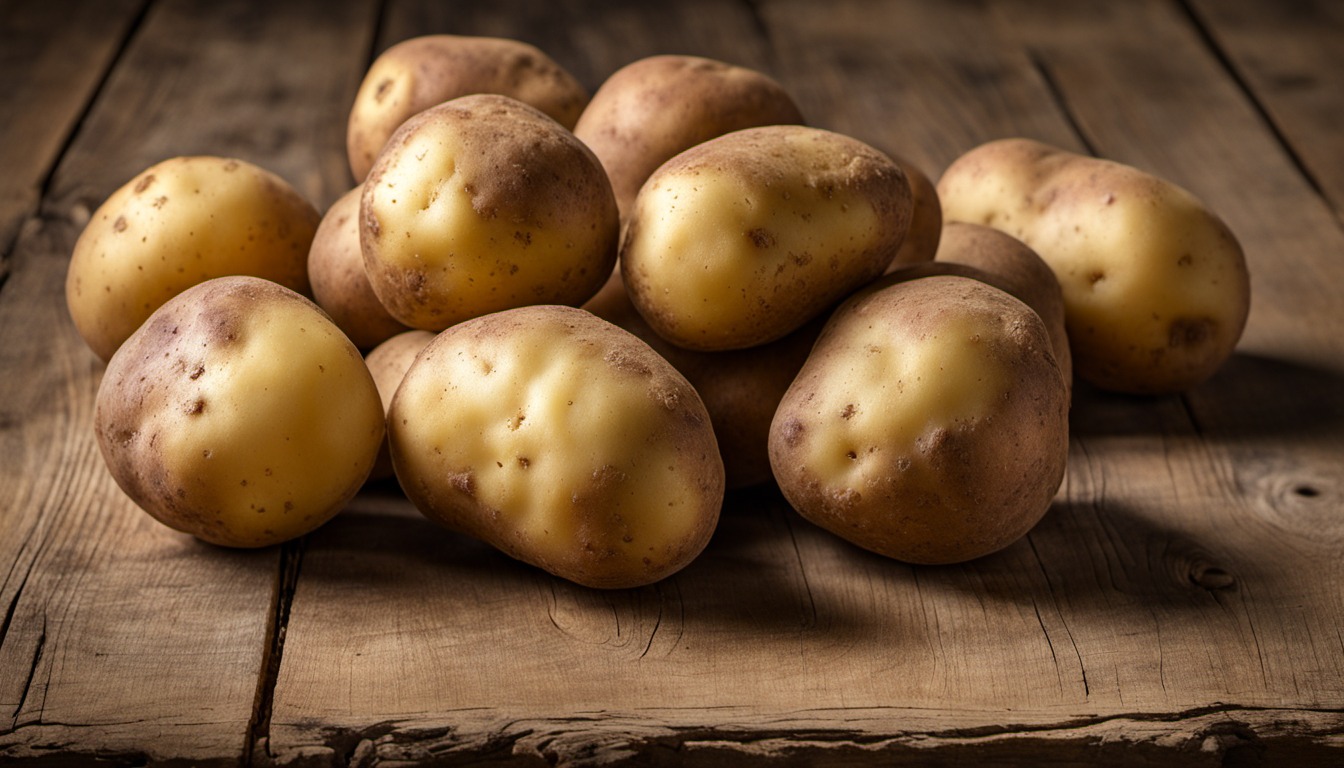
Use healthy seed potatoes from a reputable source rather than relying on grocery-store tubers. OSU’s planting chart specifies seed pieces and a spring window; consult the variety list and label for maturity and intended use. Keep seed material cool and protected until planting.
Choose workable ground
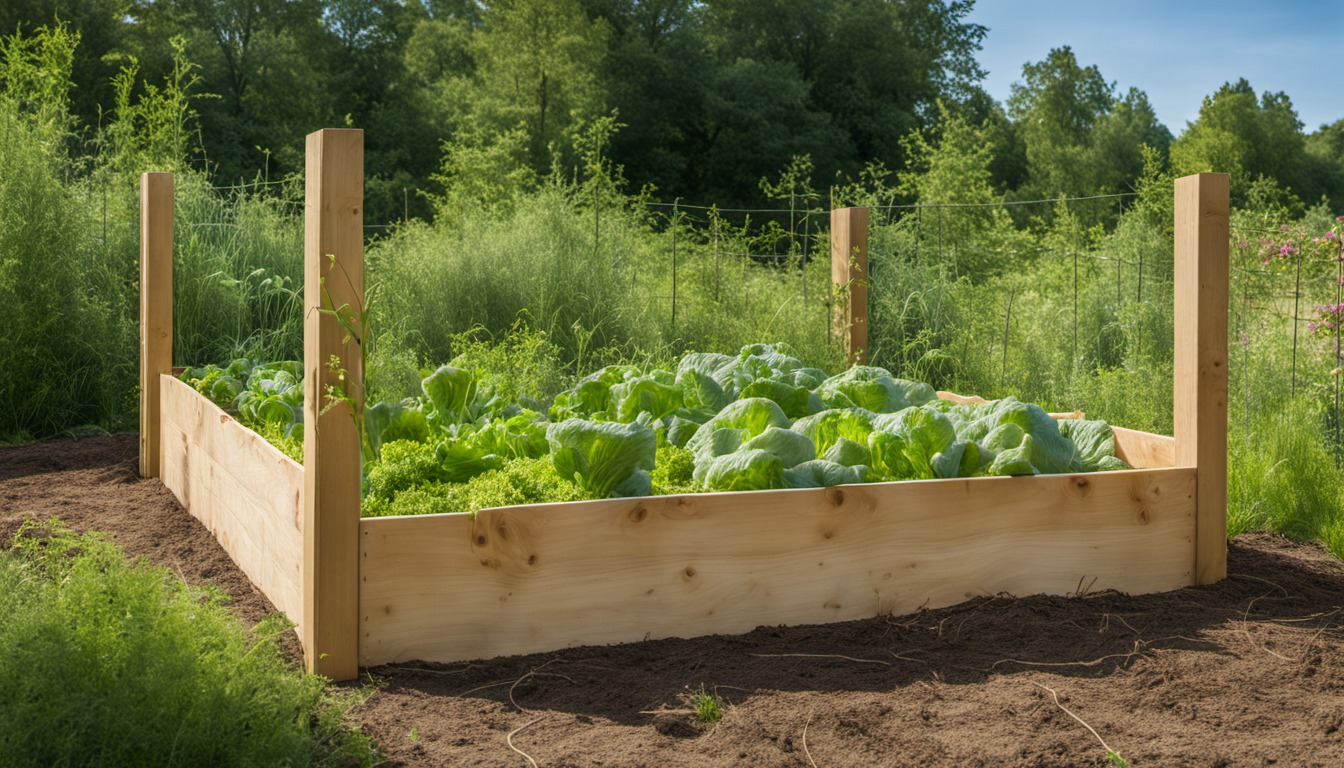
Potatoes need a well-drained bed with space for plants and later hilling. Avoid digging sticky, saturated soil. The OSU statewide spring range generally runs earlier in southeast Oklahoma and later in the northwest, so check local conditions before placing seed pieces.
Plant and maintain
Follow OSU’s chart and the seed supplier’s instructions for spacing and depth. As plants grow, keep developing tubers covered with soil or suitable mulch to limit light exposure. Cultivate shallowly to avoid damaging roots and emerging tubers.
Water and inspect
Maintain consistent moisture, particularly while tubers develop, without leaving the bed waterlogged. Check leaves for insects or disease and identify the problem before choosing a treatment. A soil test can guide fertilizer decisions; extra nitrogen is not a shortcut to a better harvest.
Harvest with care
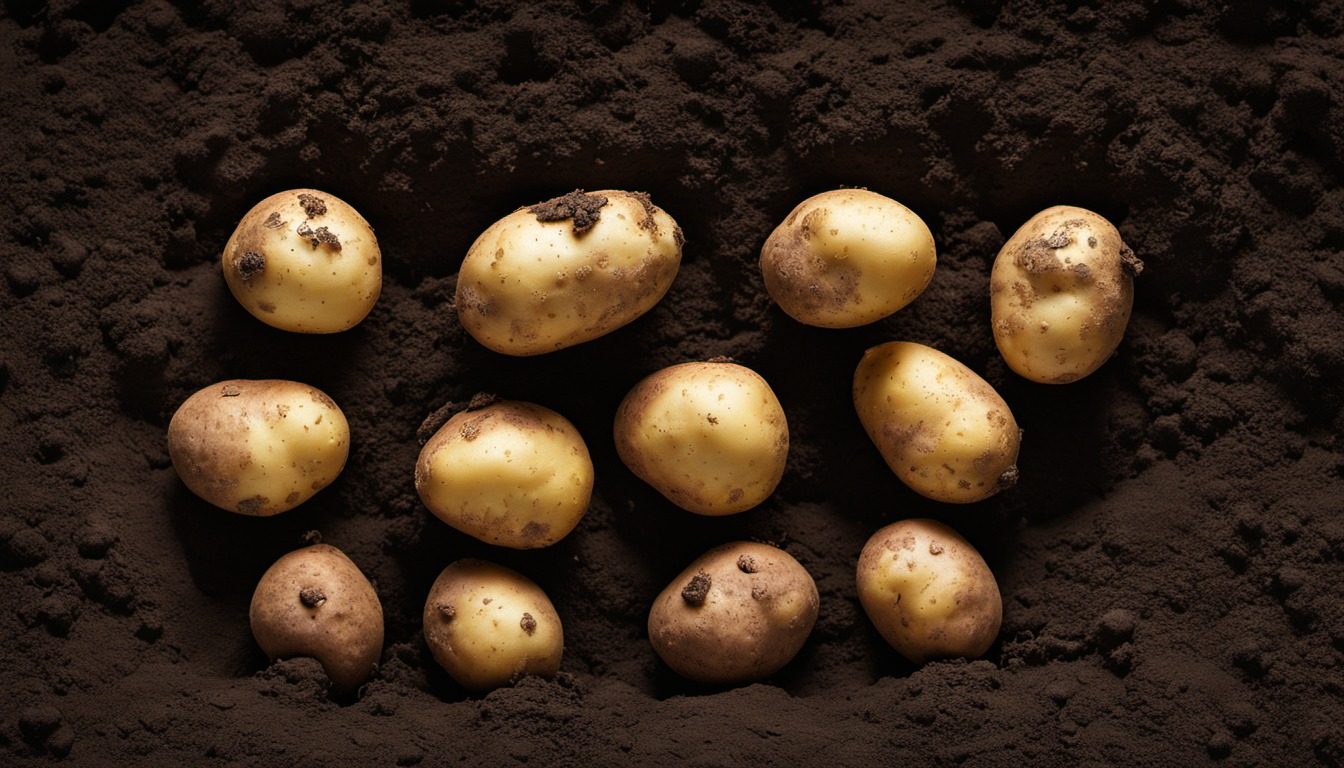
For mature storage potatoes, follow the variety’s harvest and curing guidance. Dig carefully away from the row and handle tubers gently. Do not eat green or sprouted portions; consult current food-safety guidance and discard potatoes with extensive greening, damage or decay.
Example: protect developing tubers
As potato plants grow, keep tubers covered using suitable soil or mulch so light does not reach them. Work carefully and shallowly to avoid damaging roots. If a tuber becomes green, do not treat washing as a fix: greening can indicate the presence of naturally occurring compounds that make the potato unsafe to eat in affected portions. Discard extensively green or damaged tubers.
A spring row occupies the bed for several months. Mark its footprint and expected maturity, then decide whether a fall crop can follow after harvest and bed preparation. Lift a sample carefully when checking progress, and avoid leaving dug potatoes in strong sun. Record yield and any damage so you can adjust spacing and harvest technique next year.
Do not confuse Irish potato seed pieces with sweet potato slips: they are different crops with different seasons and handling. Store harvested potatoes in a cool, dark, well-ventilated place appropriate to the variety. Check stored tubers regularly and remove any that become soft, damaged or decayed.