Oklahoma garden field guide
Mulch an Oklahoma Vegetable Garden
Mulch gives bare garden soil a protective cover, but the right material and timing depend on the crop and season. Its job is to help the bed, not bury the plants.
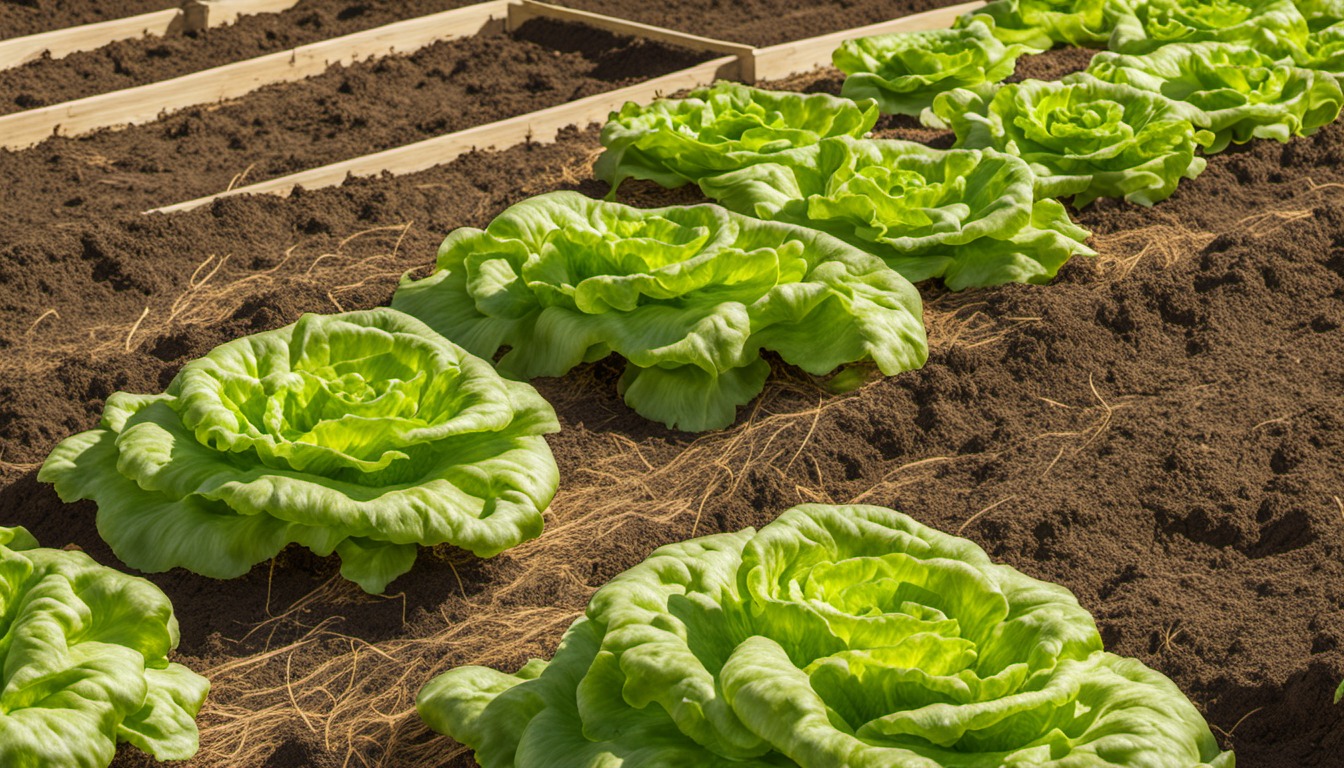
Choose a clean material
Straw, dry leaves and other suitable organic materials can cover soil between plants. Know the source and avoid material contaminated by persistent herbicides or other unwanted residues. Coarse wood chips are often more practical on paths than mixed into a vegetable bed where frequent sowing is planned.
Time the application
Wait until seedlings are established before spreading loose mulch near them. Leave a small open space around stems to reduce prolonged moisture contact. In spring, a thick early layer may keep soil cooler; in summer, covering exposed soil can help moderate evaporation. Adjust for the crop and weather.
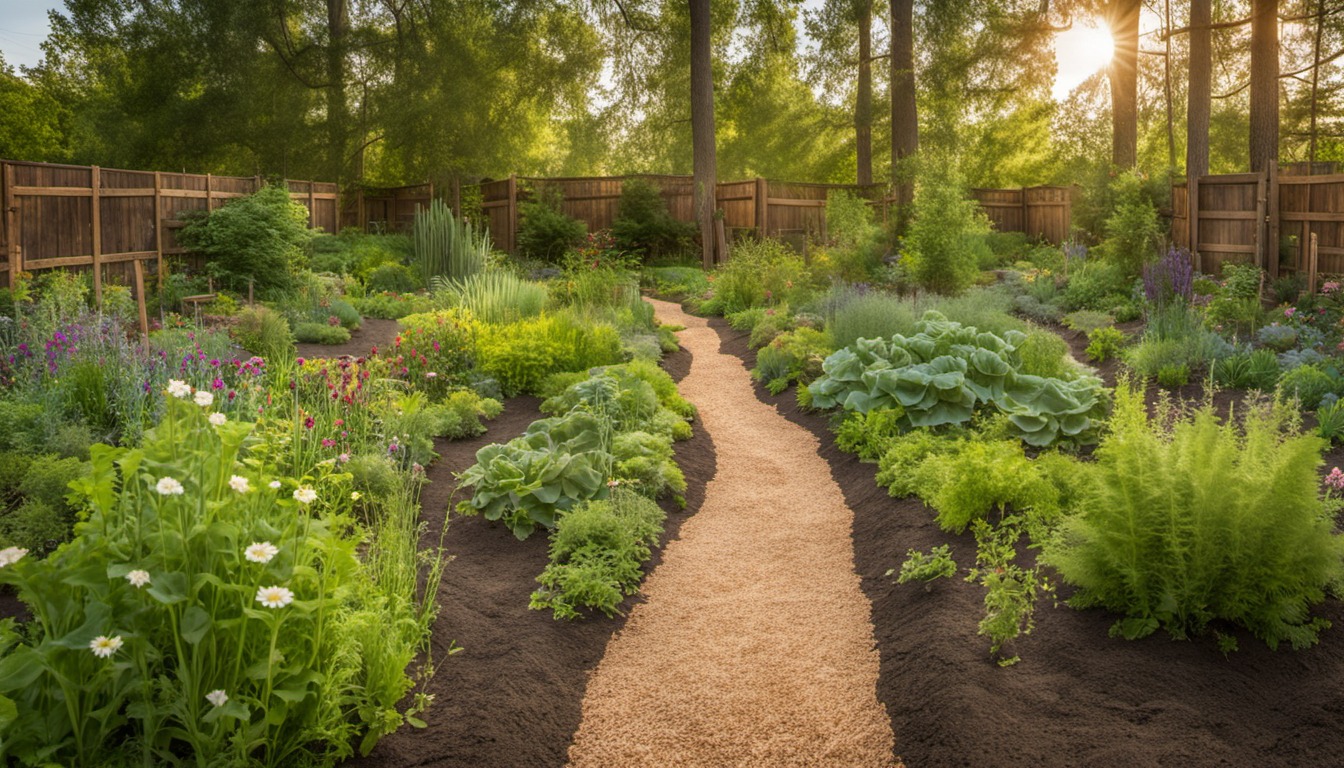
Water underneath
A dry surface does not always mean the root zone is dry, and mulch can conceal dry soil too. Pull it aside and check beneath the layer before watering. Drip lines can be placed where they wet the root zone, but check them regularly for blockage or leaks.
Keep weeds from taking over
Remove established weeds before laying mulch; a cover is less effective against a vigorous plant already growing through it. Inspect edges and planting holes regularly. A thin gap in a row is easier to weed than a bed allowed to seed itself for a season.
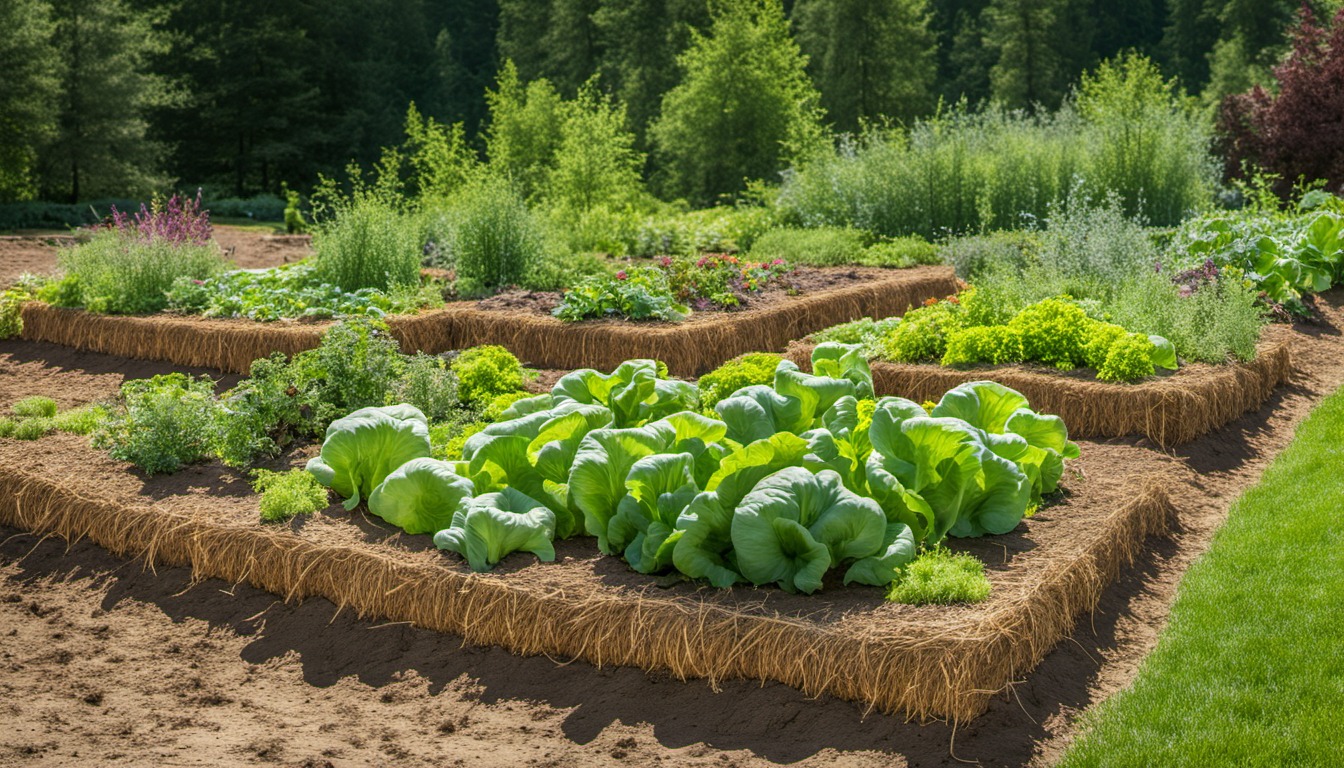
Renew without accumulating blindly
Organic mulch breaks down at different rates. Add only enough to maintain a useful cover and keep a record of material used. At bed turnover, move coarse material aside to plant small seed and bring it back after seedlings establish. Follow your soil test for nutrients rather than treating mulch as a measured fertilizer.
Example: protect a newly planted row
Leave a narrow open strip over a row of small seed so seedlings can emerge without pushing through a heavy layer. Once plants are established and thinned, bring clean straw or another appropriate mulch close to the row while keeping stems clear. A thicker pile directly against a stem can hold unwanted moisture and make inspection difficult.
For a bed with drip irrigation, look under the mulch after running the system to confirm the intended root zone is wet. If the bed smells sour or stays saturated, reduce watering and investigate drainage. At the end of the crop, move coarse material aside for the next sowing and reuse it only if it is suitable and free of obvious contamination.
Keep mulch away from direct contact with a young stem and avoid burying a plant’s crown. Check for weeds emerging at seams or edges while they are still small. At season’s end, separate obviously diseased debris from clean material and follow local Extension advice about disposal or composting.