Oklahoma garden field guide
Plan an Oklahoma Fall Vegetable Garden
Fall vegetables often begin when the weather still feels like summer. The challenge is establishing plants in heat early enough to benefit from cooler days later.
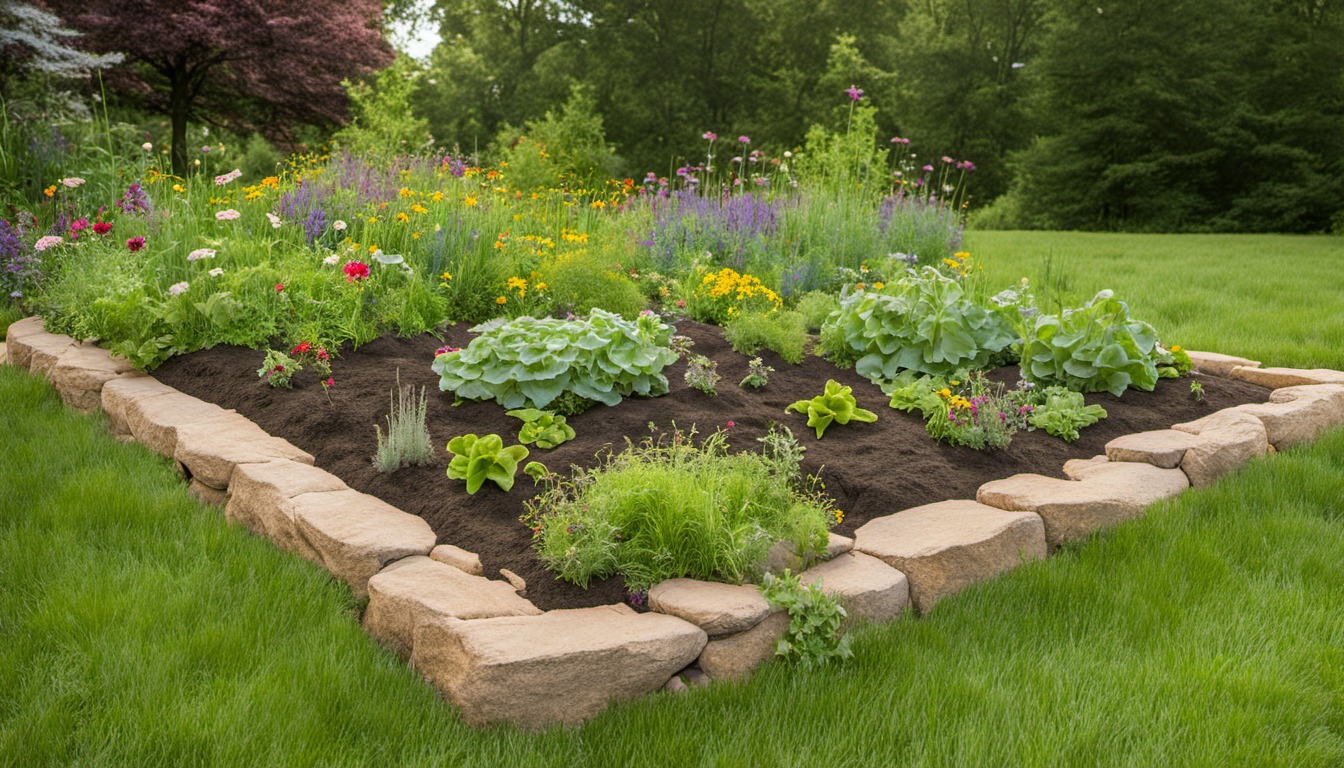
Choose the crop and method
OSU’s fall chart separates tender vegetables from crops that can continue after some frosts. It also specifies whether an entry uses seed or transplants. For example, it lists broccoli transplants from July 15 to August 15 and spinach seed September 5 to 25. Treat the chart as a starting point and confirm local conditions.
Count back, then check the chart
Use your local first-frost estimate and the variety’s maturity estimate to sketch a harvest target. Add time for slower growth as daylight shortens. A fall calculator cannot judge germination in hot soil, crop hardiness or the difference between days from seed and days from transplant; the Extension table and packet still matter.
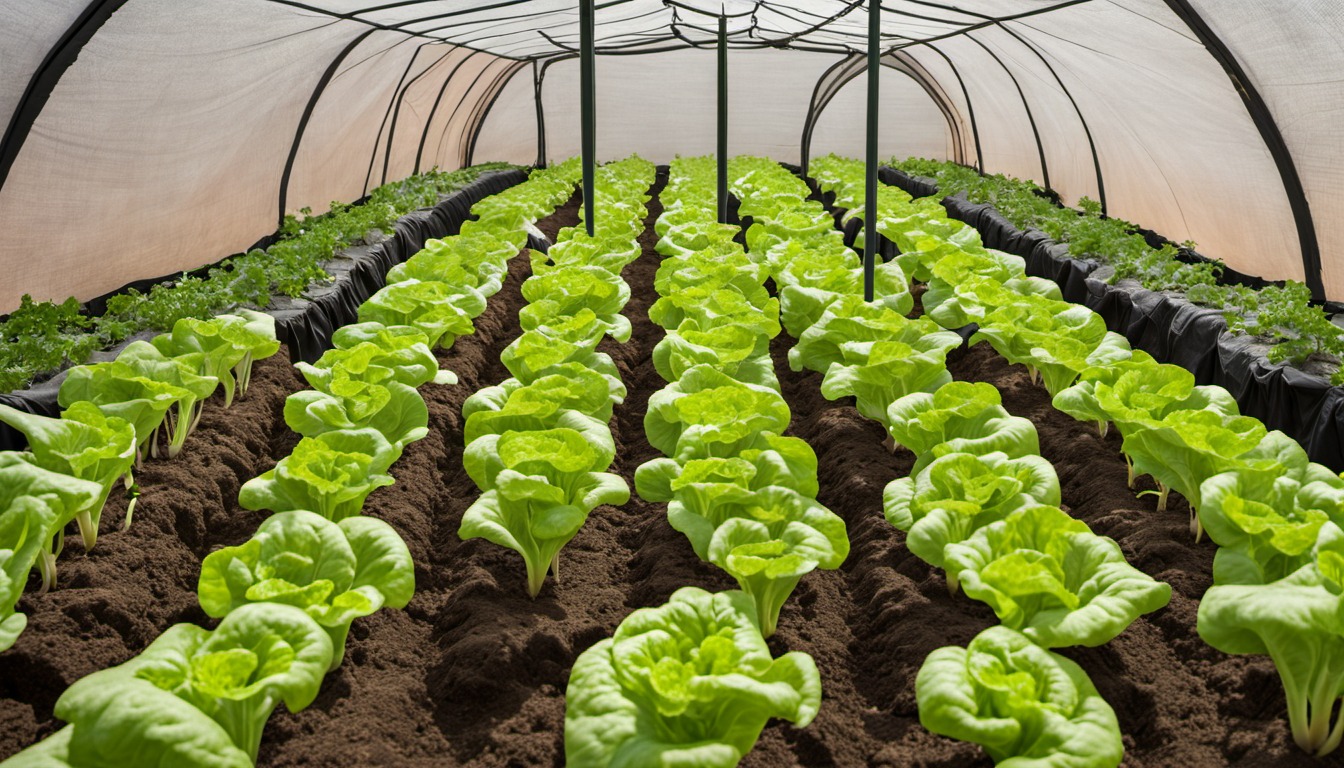
Make room in a working garden
Note when a spring crop is likely to finish and whether the fall bed can be prepared on time. Start transplants separately if the old crop still has value, but avoid waiting so long that the new crop misses its window. Remove weeds and spent plants, and avoid working soil when it is wet and sticky.
Help seedlings establish
Keep the seed zone moist without leaving the bed saturated. A gentle watering method is less likely to wash shallow seed out of the row. Temporary shade can reduce stress on new transplants; adjust or remove it as conditions change so plants receive adequate light. Check both the root ball and surrounding soil.
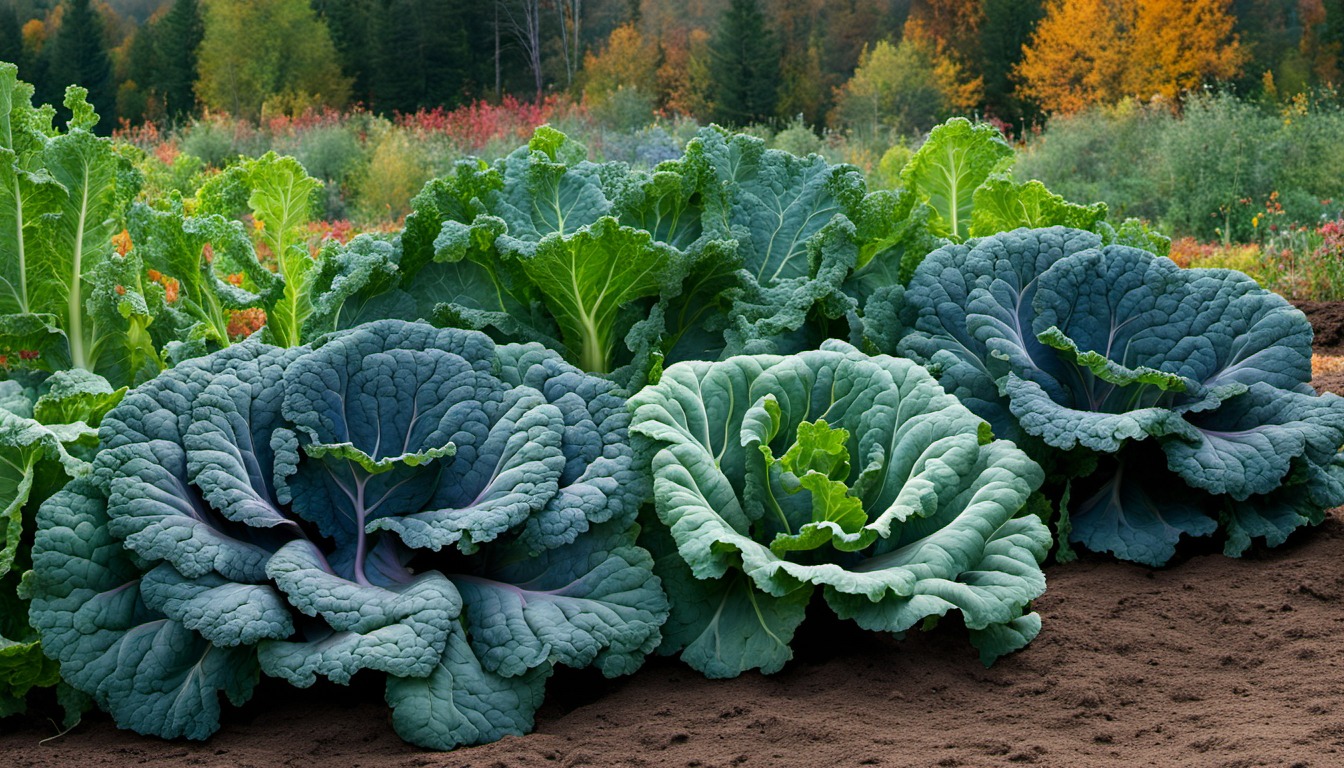
Protect the harvest thoughtfully
Scout frequently for insects and identify damage before deciding on control. Keep lightweight cover and supports ready for a forecast cold spell, but do not assume cover makes tender crops freeze-proof. Ventilate when temperatures rise, and record what survived and when it became ready so the next fall plan improves.
Example: a bed that opens late
Suppose a tomato is still producing when it is time to start a fall brassica. You can grow a few healthy transplants separately and prepare the bed as soon as it opens, provided the OSU transplant window and your local conditions still fit. If it opens too late, choose a faster crop with a suitable remaining window instead of assuming a maturity calculator can overcome the delay.
During establishment, inspect the soil a little below the surface morning and evening in very hot weather. A seed row can dry faster than an established plant nearby. If seedlings wilt, check the original root ball and surrounding bed before watering again; a wet bed and a dry root ball call for a different correction from saturated roots.
A bed map also helps with protection: group plants with similar cold tolerance where practical, leaving room to secure a cover without crushing leaves. Keep the material dry and accessible before a forecast event. Once the weather warms, uncover or ventilate so heat does not build up around the plants.