Oklahoma garden field guide
Water an Oklahoma Vegetable Garden More Effectively
A useful watering plan begins with what the soil and plants need, then accounts for rain and the way water is delivered. A timer alone cannot see either a storm or a blocked emitter.
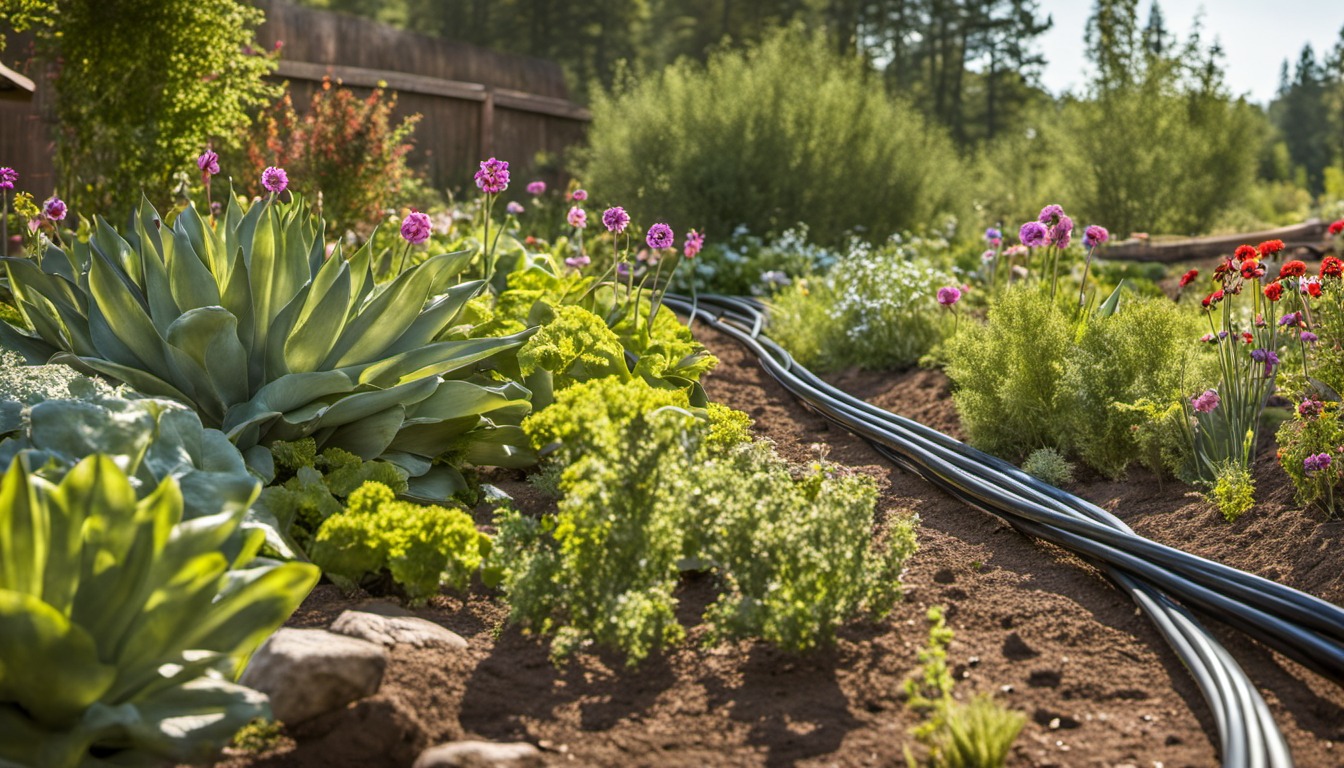
Use a starting estimate
OSU’s summer guide describes about one inch of water weekly in May and June and two inches in July through September when rain is absent. Actual needs differ with weather, crop, soil and irrigation efficiency. Use the figure to start a conversation with the soil, not as a fixed prescription.
Inspect at root depth
Small seeds need a moist seed zone; established plants draw water from a larger volume. Dig gently or use a soil probe to check below the surface. OSU suggests a soil core squeeze as one practical indicator: if the sample crumbles rather than holding together, it may be time to water.
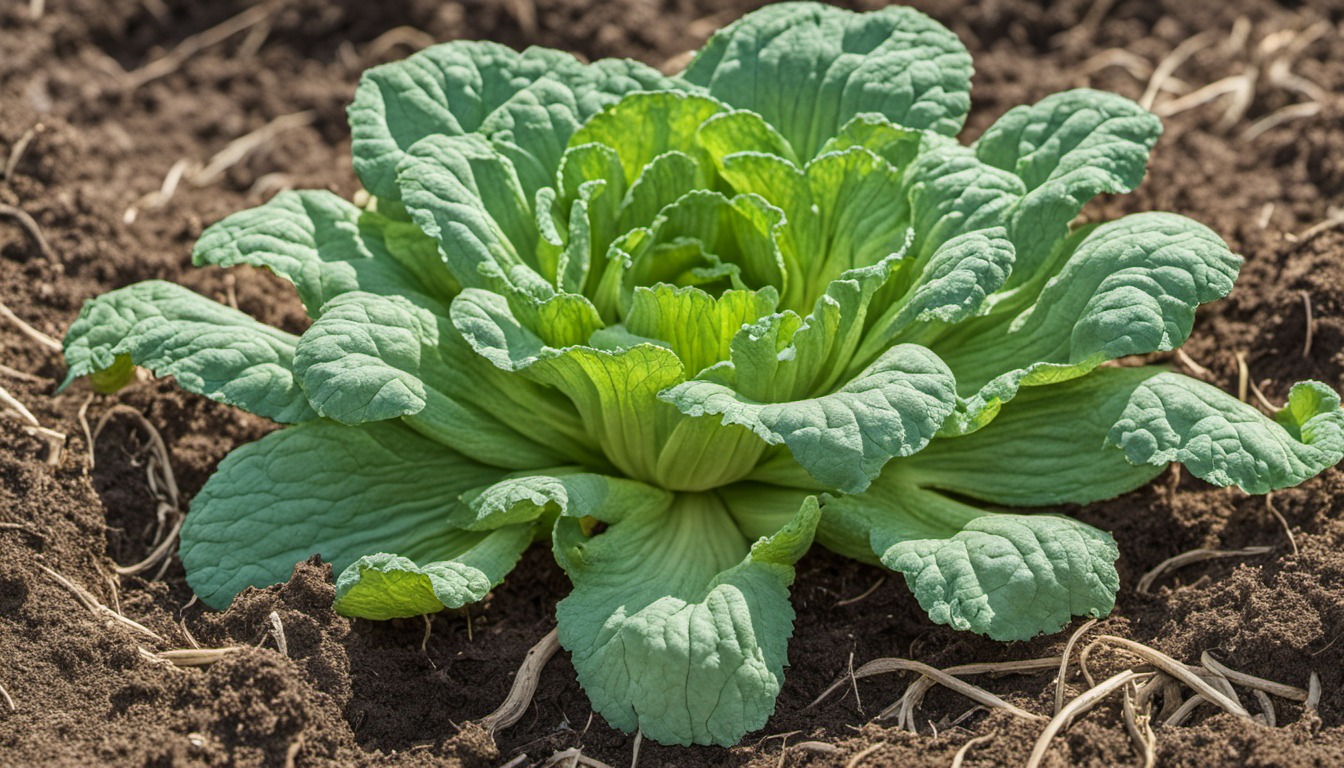
Measure the system
For sprinklers, OSU suggests placing several straight-sided cans within the pattern to see how long it takes to collect a given depth. Compare locations because coverage can be uneven. For drip, inspect flow, leaks and wetting around each plant; an estimate based on emitter rates assumes the equipment performs as expected.
Account for rain and soil
Subtract useful rainfall from a planning estimate, but remember that a brief downpour may run off instead of soaking into the bed. Sandy and clay soils accept and hold water differently. Split an application when water begins to run off and recheck the root zone before applying more.
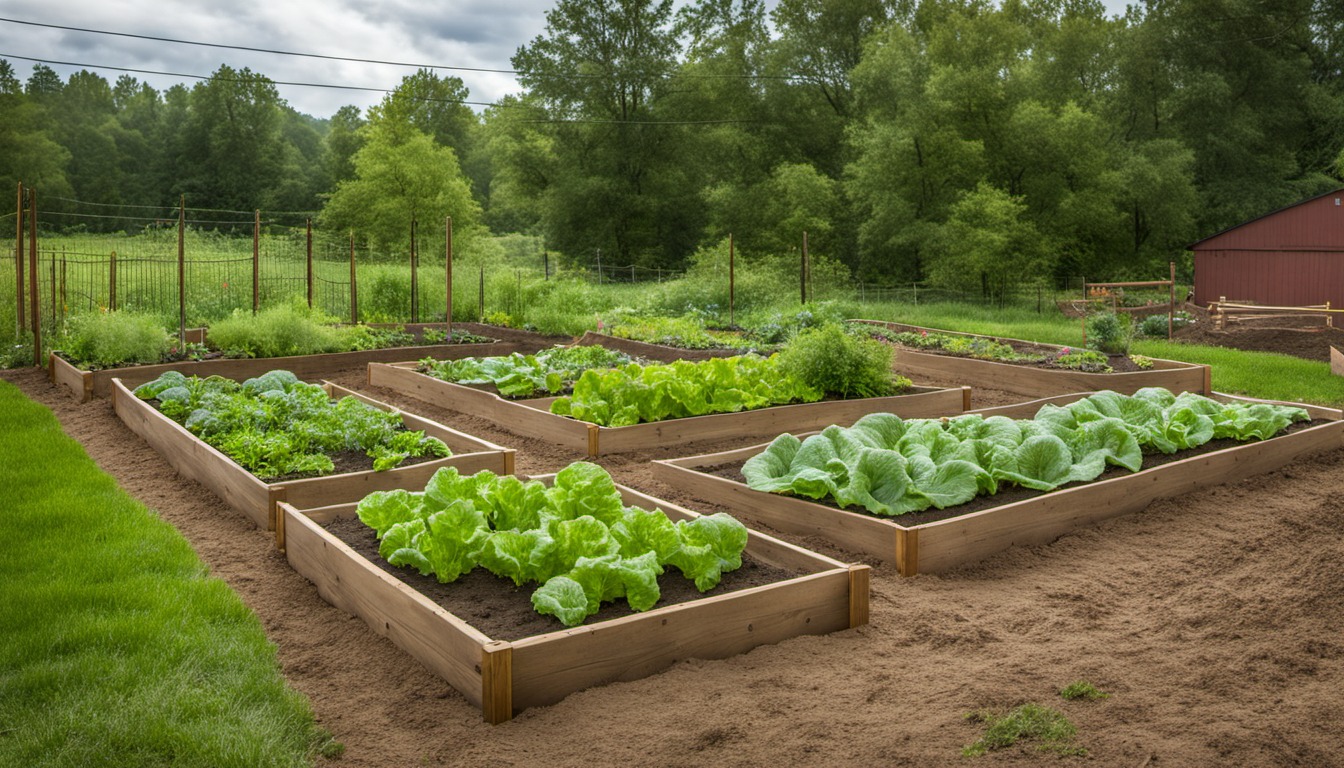
Keep the routine adaptable
Mulch can reduce evaporation; weeds also compete for water. Check new transplants frequently, particularly their original root ball, and change the schedule when weather changes. Water restrictions and local rules may apply, so consult your water provider for current requirements.
Example: estimate a starting volume
One inch of water over one square foot is approximately 0.62 gallons. A 4-by-8-foot bed therefore has a theoretical volume of about 20 gallons per inch before delivery losses or runoff. This is an arithmetic starting point, not an instruction to pour that amount into the bed at once. Measure the system and inspect the root zone to decide how much is useful.
If a sprinkler test shows one can collecting much less than another, adjust placement or overlap before simply running longer. If water runs off clay, pause and let it soak in before continuing. For drip, verify emitter output and location. Subtract effective rainfall, recognizing that intense rain may not soak in uniformly.
A timer can make irrigation convenient, but inspect it after changing hoses, filters or emitters. Record the measured output and the date of the check. If water is restricted by a local provider, follow the current rules and revise the schedule; an estimate from this guide does not override them.