Oklahoma garden field guide
Grow Summer Squash in Oklahoma
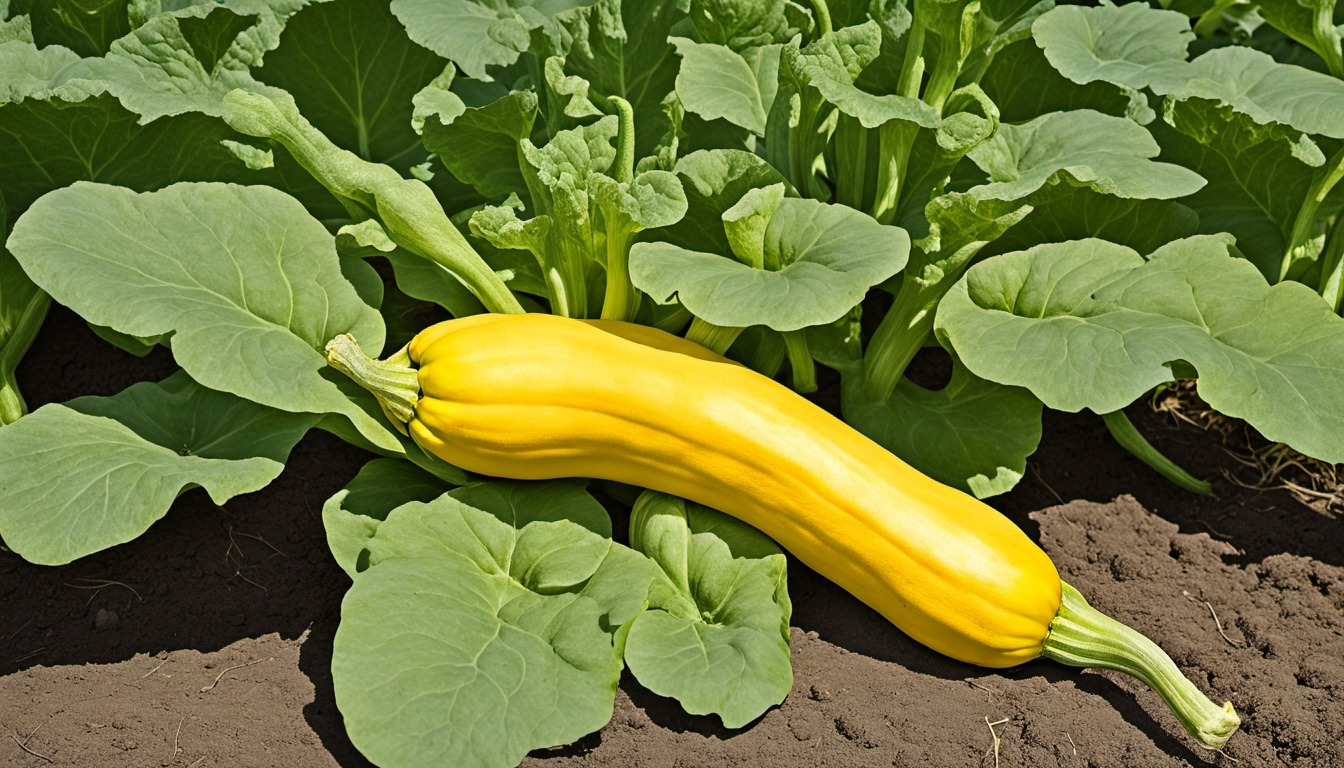
A summer squash plant can produce a lot from a small planting, but its leaves and stems need more room than the young transplant suggests. Make space for access and frequent picking.
Plan for the mature plant
Choose a bush or vining variety that suits the bed. Read the packet for spacing and check OSU’s garden planning chart for the local planting window. Place plants where their large leaves will not cover smaller crops or block the path you use for harvest.
Plant after conditions warm
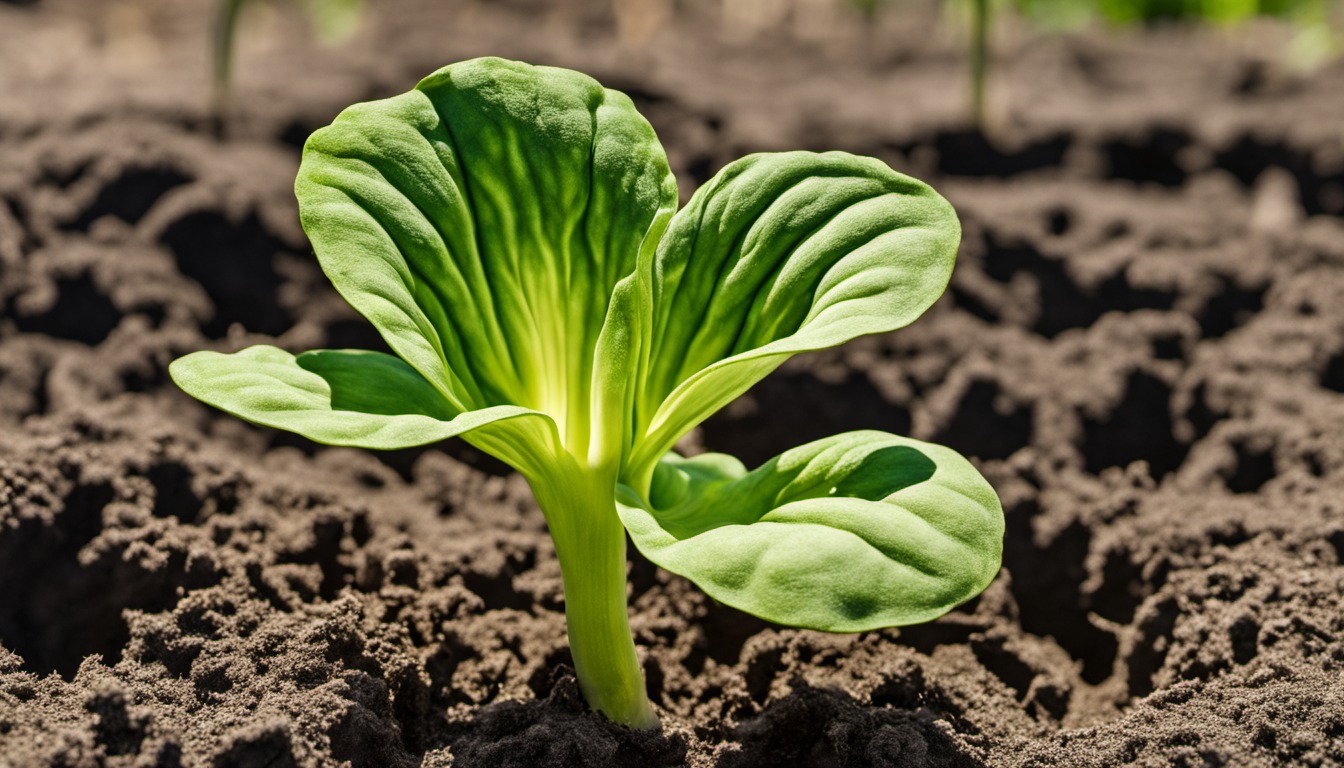
Squash is a tender crop, so check frost risk and soil conditions before sowing or transplanting. Keep the seed zone moist during emergence and avoid working wet soil. For a fall planting, compare OSU’s fall chart with the variety’s days to maturity and local frost estimate.
Support pollination
Most squash varieties have separate male and female flowers; fruit development generally requires pollen transfer, often by bees. Missing or misshapen fruit can have several causes, including poor pollination or stress. Encourage flowers nearby and avoid unnecessary insecticide applications, especially when pollinators are active.
Scout the plant
Check stems and the undersides of leaves for insects and eggs. Identify the pest before choosing a control and use OSU’s home vegetable insect guide for current options. Remove damaged material when appropriate; one spotted leaf is not enough to diagnose a disease or justify broad spraying.
Pick while tender
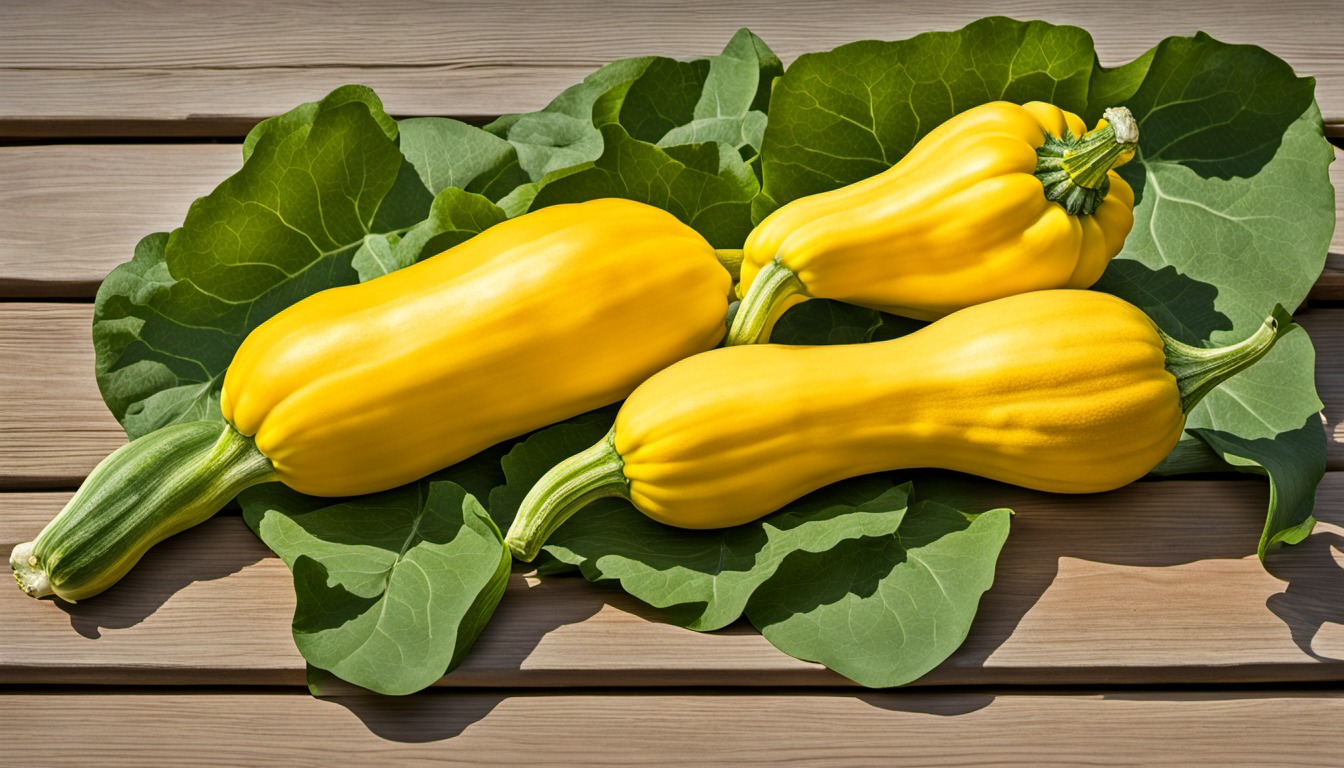
Harvest frequently at the size recommended for the variety, using a clean cutter to avoid tearing stems. Oversized fruit can become less tender and make the plant harder to manage. Water the root zone as needed, and clear spent plants when production ends to make room for the next crop.
Example: diagnose missing fruit
A squash plant can flower before it produces a harvestable fruit. Inspect the flowers and note whether insect visitors are present, then check moisture and weather. Poor pollination is one possibility, but it is not the only explanation for a small fruit failing to develop. Avoid a broad pesticide response to an unidentified problem; it may remove useful visitors too.
A single healthy plant may occupy considerable space. Leave a path and inspect leaf undersides and the base of stems regularly. Pick fruit at the size recommended for the variety with a clean cutter, and check again frequently. If a plant is heavily damaged, identify the cause using Extension guidance before deciding whether to remove it.
If using row cover early, secure it so insects cannot enter through gaps, then remove it when flowering requires pollinator access for that variety. Record when flowers and fruit first appeared. This helps distinguish a normal early sequence of flowering from a continuing fruit-set problem that needs investigation.