Oklahoma garden field guide
Grow Cucumbers on an Oklahoma Garden Trellis
A trellis can keep cucumber vines accessible and free bed space, provided it is sturdy enough for a mature plant and its fruit. Plan its placement before you sow.
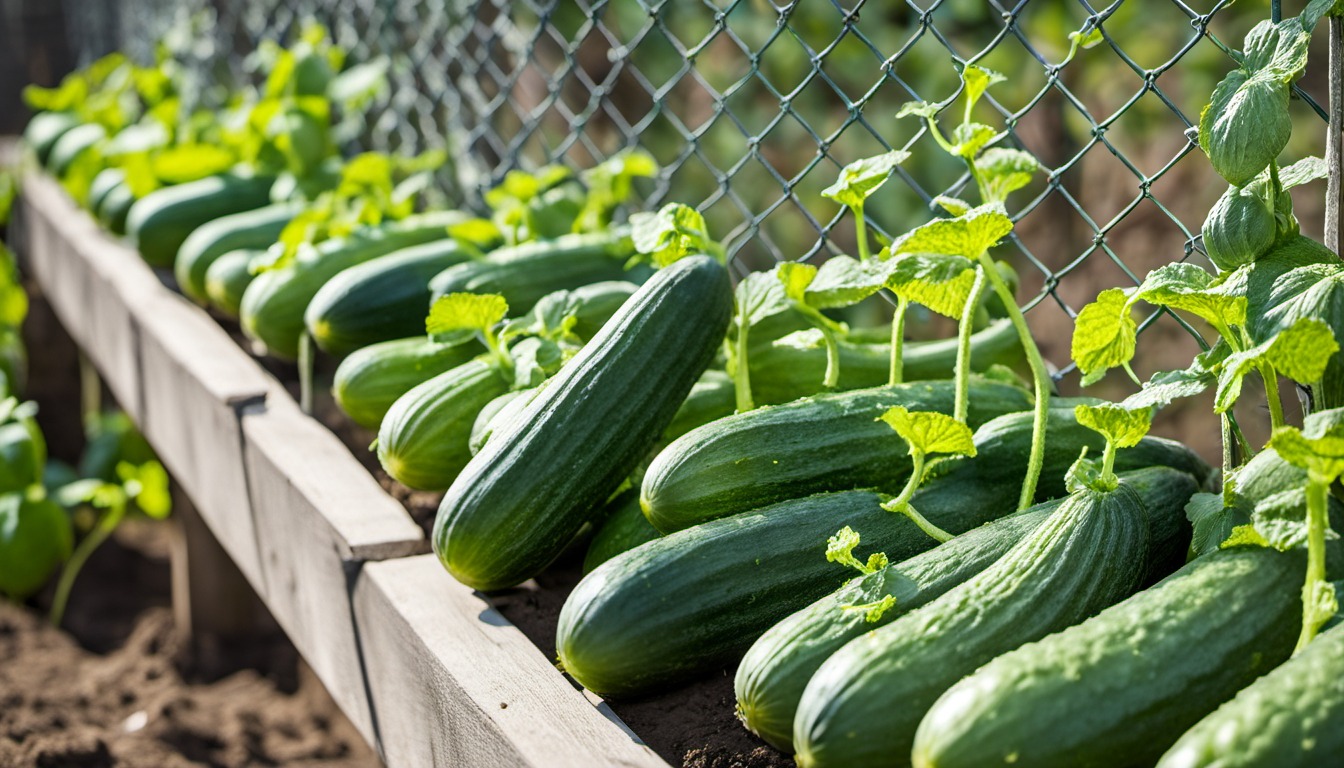
Choose a climbing variety
Some cucumber varieties vine while others are compact; read the description before buying seed. Place a trellis where it will not shade a neighboring crop and anchor it securely for wind. Allow room to reach both sides for inspection and picking.
Sow when the season fits
Cucumbers are tender warm-season plants. Check the Oklahoma spring chart and local weather, then wait for suitable soil conditions. OSU also lists cucumbers in its fall garden table; compare that window and the packet’s maturity estimate with your local frost risk before a late planting.
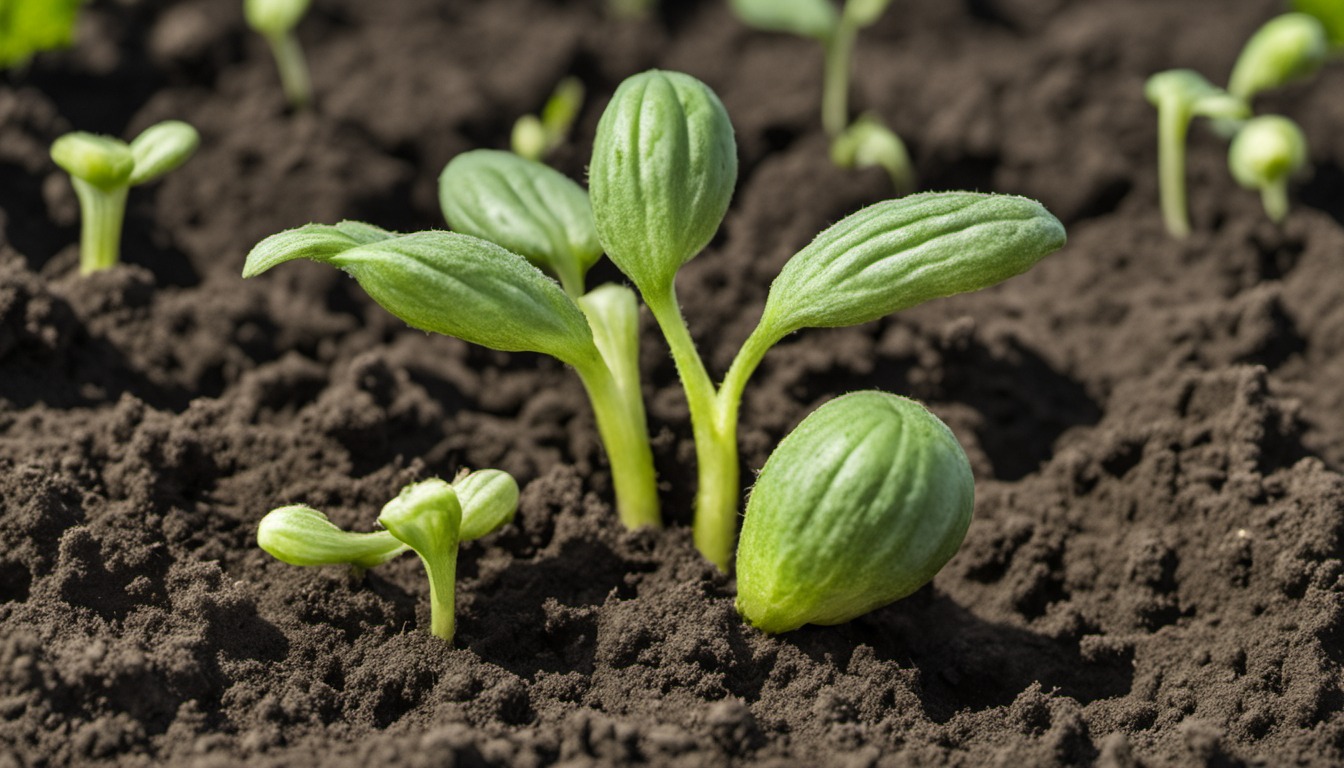
Train without constricting
Install the support before roots spread. Guide young vines toward it and use soft, loose ties only if needed. Do not wrap a tight tie around a growing stem. As the plant grows, check that the support remains stable and that fruit can hang without becoming trapped.
Water and watch flowers
Keep the root zone supplied with water, especially during establishment and fruiting, but avoid persistently saturated soil. Many cucumbers need pollen transferred between flowers, often by bees; varieties can have different flowering and pollination needs. Check the variety description and avoid unnecessary pesticide use around flowers.
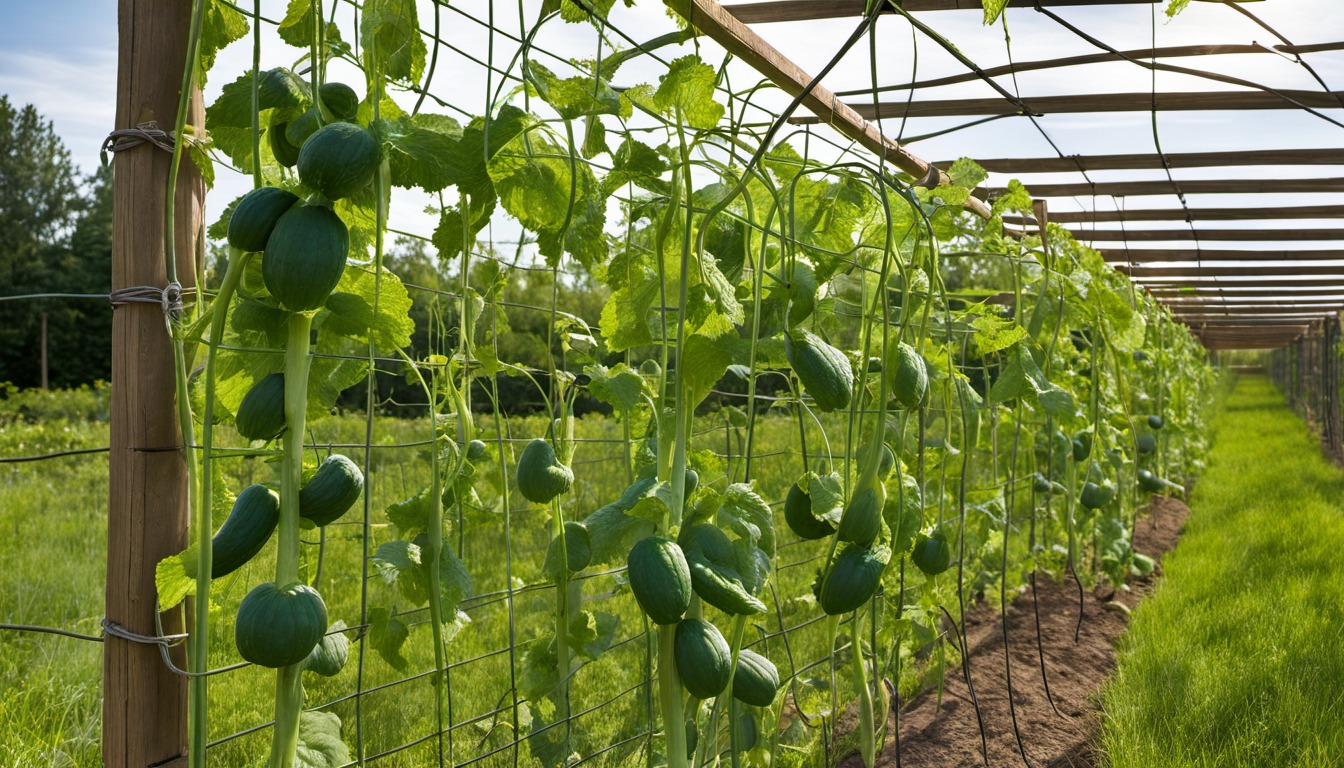
Harvest regularly
Pick cucumbers at the size intended for the variety; large, overripe fruit can be seedy and less pleasant to eat. Use a cutter to avoid pulling vines from their support. Inspect leaf undersides and stems, identify pests before treatment, and remove spent plants when harvest ends.
Example: choose a trellis location
Set a trellis along a bed edge where its shadow will not cover a shorter crop and where you can inspect both sides. Anchor it before planting; a light support that holds seedlings can fail under mature vines in wind. Guide growth gently and make sure ties do not cut into stems. A compact variety may not climb in the same way as a vining one.
If fruit is misshapen, check watering, pollination and the variety’s normal shape before drawing a conclusion. A partially developed fruit does not prove a single cause. Harvest at the size intended for the cultivar, and remove overripe fruit so it does not hide among the leaves. Keep the path clear enough to find fruit without tugging the vine.
A climbing plant needs room above and below the support. Keep soil accessible for watering and leave an open route for harvest. Check ties after vigorous growth and after windy weather; a soft tie that was loose on a young stem may need adjustment later in the season.