Oklahoma garden field guide
How to Test Garden Soil in Oklahoma
A soil test turns a guess about garden fertility into a more useful starting point. The quality of the answer depends on the sample representing the area you intend to manage.
Separate different areas
Sample the vegetable bed separately from a lawn, a new raised bed or a visibly different garden area. Avoid unusual spots such as a fertilizer spill or a pile of compost. Ask your county Extension office about the current sampling instructions, fees and turnaround before collecting.
Collect a representative sample
OSU’s home soil testing directions call for removing surface debris, sampling lawns and gardens to a six-inch depth, and combining cores or slices from at least 15 locations. Use clean tools and a clean bucket, mix well, and submit the requested amount. Follow the lab’s current instructions if they differ.
Label the bag and its purpose
Identify the bed and tell the Extension office what you plan to grow. Keep a note of its size and past amendments, especially if you manage beds separately. A result describes that sample, so avoid treating it as a precise prescription for a container or a distant part of the yard.
Interpret before adding
Ask Extension to help interpret the report and its crop-specific recommendations. More fertilizer is not automatically better, and lime or other amendments should not be applied simply because a neighbor used them. Follow the report’s rates and product instructions, accounting for the area actually being treated.
Retest and keep records
OSU’s planning guide suggests sampling every three to four years. Keep the report, sampling date and any amendments with your garden notes. If a result seems inconsistent with the garden or the sampling area changes substantially, ask the lab or Extension office whether a new sample is appropriate.
Example: two different beds
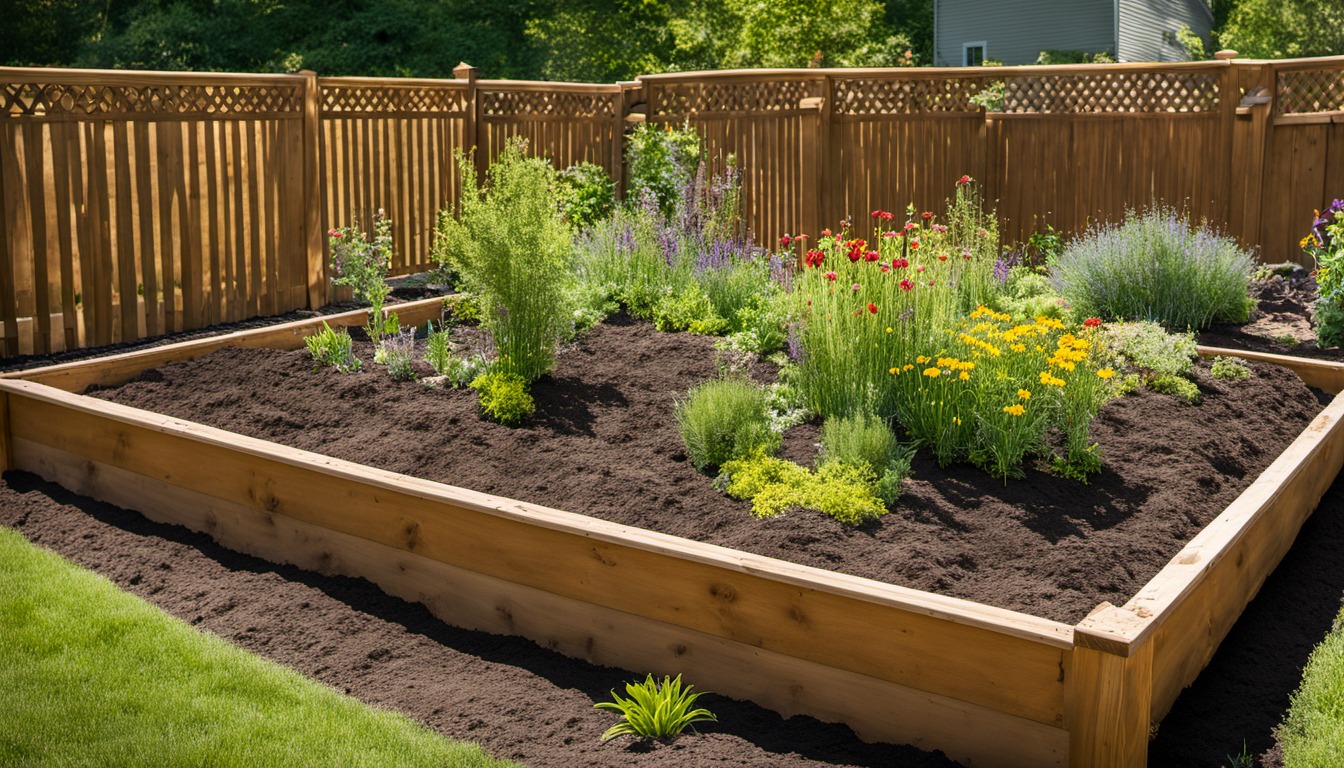
A long-established in-ground plot and a newly filled raised bed should not automatically share one sample. Collect representative slices within each area and label them separately. Keep a simple sketch showing where the samples came from, particularly if a bed has been enlarged or amended unevenly. Do not include an unusual compost heap or a place where fertilizer spilled.
When results arrive, compare the recommendation with the actual bed area before calculating a product amount. Ask Extension whether the recommendation is expressed for a particular nutrient or a specific product, and retain the report alongside the application record. If the result surprises you, confirm the sample and interpretation before making a large correction.
When using several beds, keep each report with its own map and date. If you have concerns about possible contamination from a former site use, ordinary fertility testing may not answer that question; describe the concern to the laboratory or Extension office and ask what additional evaluation is appropriate before growing food.