Oklahoma garden field guide
Make and Use Compost in an Oklahoma Garden
Compost recycles suitable organic material into a useful soil amendment. It works best as part of a soil plan, not as a substitute for a soil test or a place to hide every garden problem.
Choose ingredients
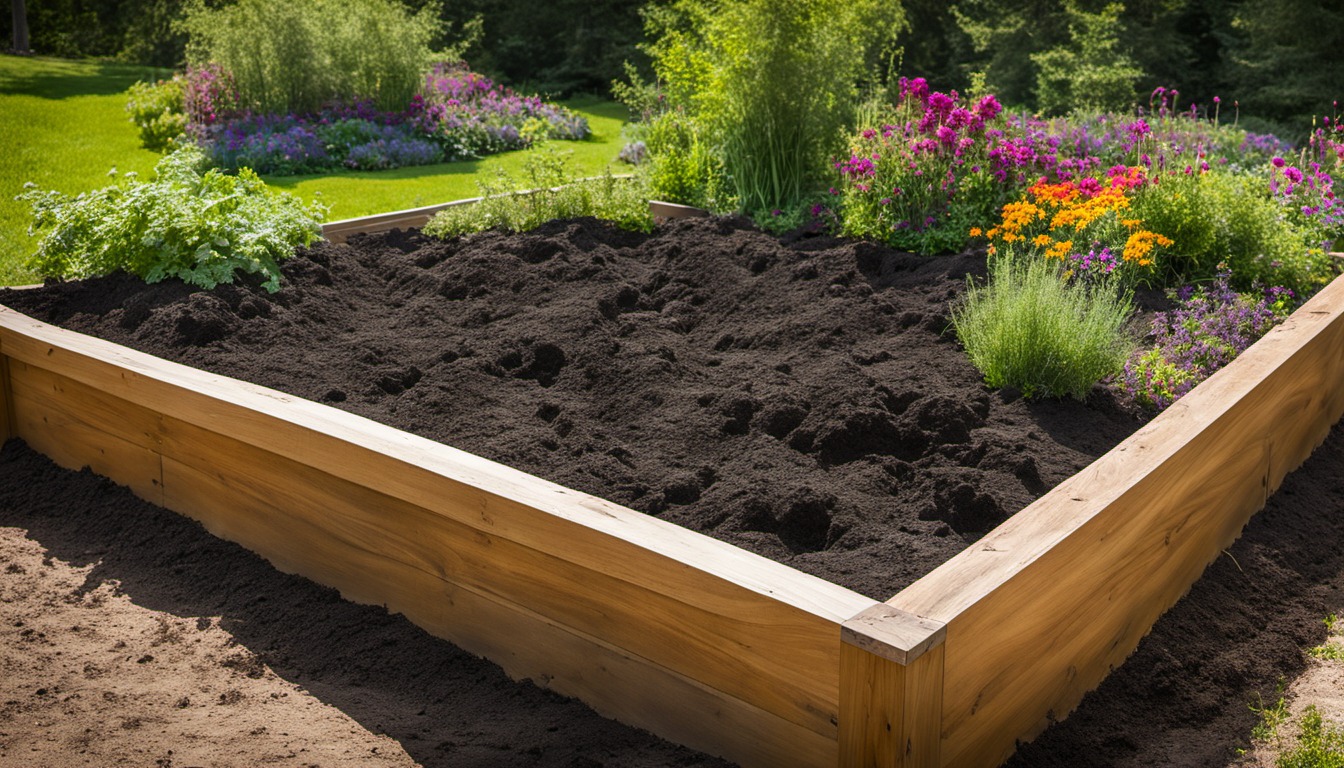
Combine suitable dry materials such as leaves with fresh plant material, following OSU’s backyard composting guidance. Avoid meat, greasy food and pet waste in an ordinary backyard pile. Keep plants with significant disease or troublesome weeds out if the pile will not reliably destroy their pathogens or seeds.
Balance air and moisture
A pile needs air and moisture as organisms break material down. Mix or turn it as appropriate and add water if it is dry throughout; if it smells unpleasant and is soggy, improve aeration and add dry material. Smaller pieces generally break down faster than whole woody stems.
Recognize finished compost
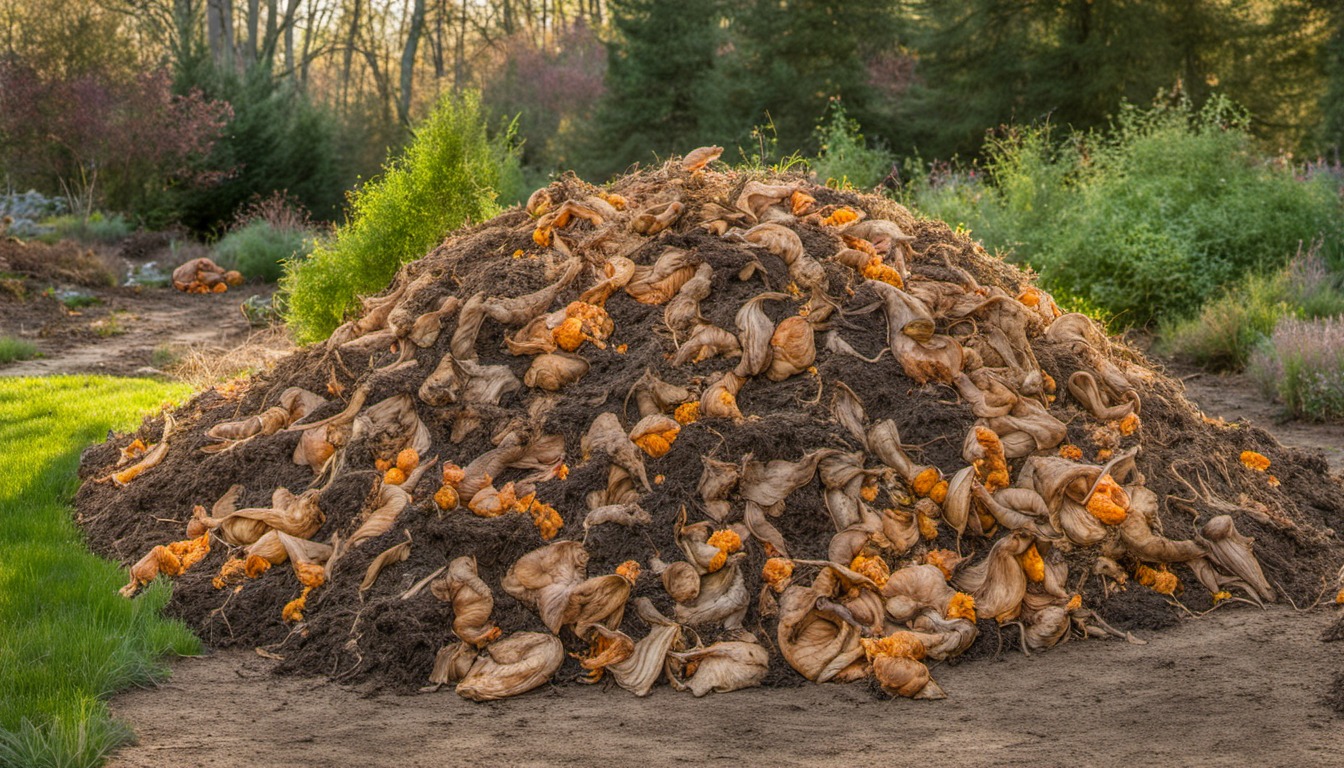
Finished material is dark and crumbly, with much of the original material no longer recognizable. Let an active pile finish before placing it near young plants. Sift out large pieces if needed and return them to the pile rather than assuming every fragment is ready.
Apply with a purpose
Use finished compost to add organic matter to a bed, incorporating it when soil is workable or applying it at the surface where appropriate. Amounts depend on the soil and material. Compost nutrient content varies, so use a soil test and Extension advice before adding fertilizer or large repeated applications.
Keep the system manageable
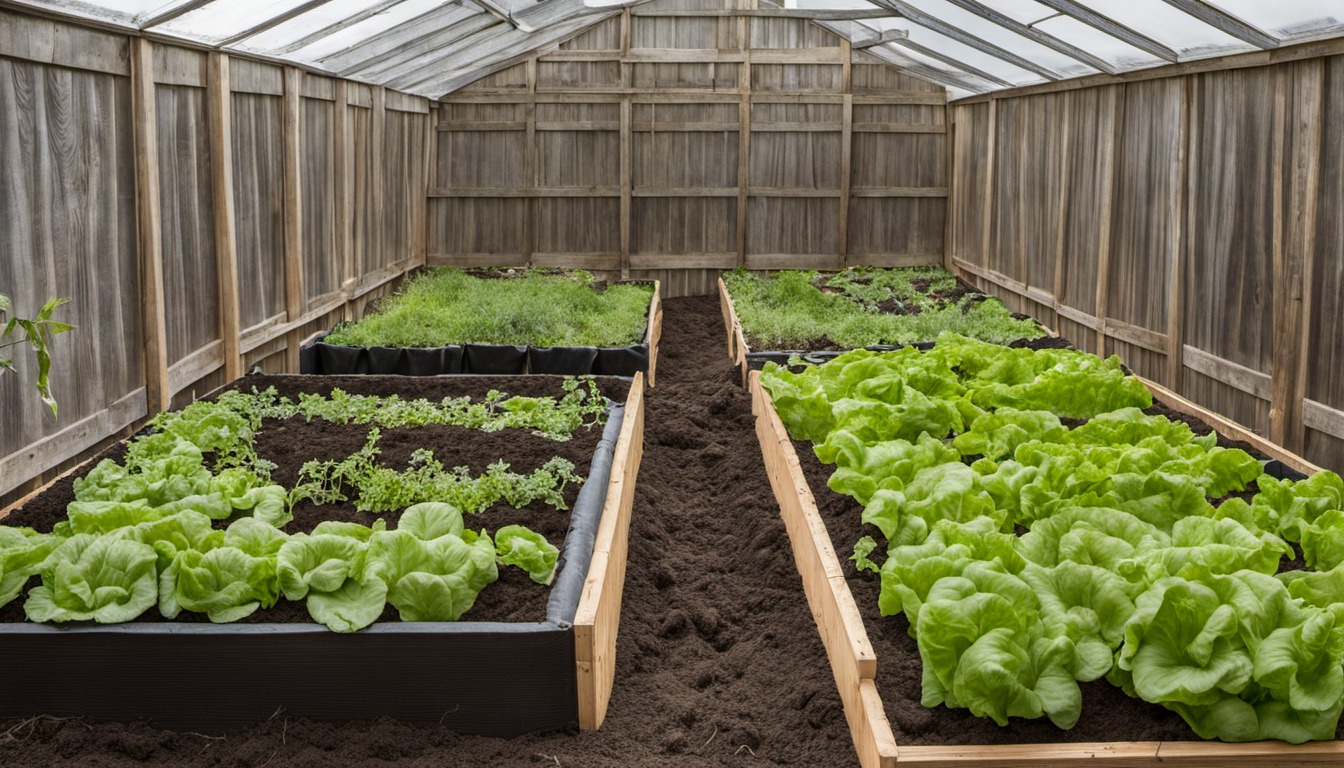
Choose a convenient, drained site for the pile and leave room to turn or harvest it. Label or separate fresh material from finished compost. Keep a note of ingredients and how the bed responds; if the pile attracts pests or stays wet, change the materials and management rather than ignoring the problem.
Example: improve a pile that stays wet
If the center is soggy and smells unpleasant, loosen the pile and mix in suitable dry leaves or other dry material to improve air spaces. If it is dry throughout and decomposition has slowed, add water gradually while mixing. The desired condition is moist, not a compacted, dripping mass. The size of pieces and frequency of turning also affect the rate.
Before using compost in a seedbed, check that the original materials are mostly unrecognizable and the pile has finished active decomposition. Keep a separate place for fresh additions so they do not get mixed into finished material. If the ingredients or nutrient content are unknown, apply modestly and use a soil test rather than assuming more is always beneficial.
Keep a separate collection container for dry leaves so they are available when fresh material makes the pile too wet. Avoid adding material with unknown chemical contamination. Finished compost improves soil organic matter, but its nutrient concentration varies, so keep soil-test reports when planning repeated applications.