Oklahoma garden field guide
Grow Vegetables in Sandy Oklahoma Soil
Sandy soil can be easy to work and drain quickly, but it may also dry quickly between waterings. Design the bed and irrigation around what happens below the surface.
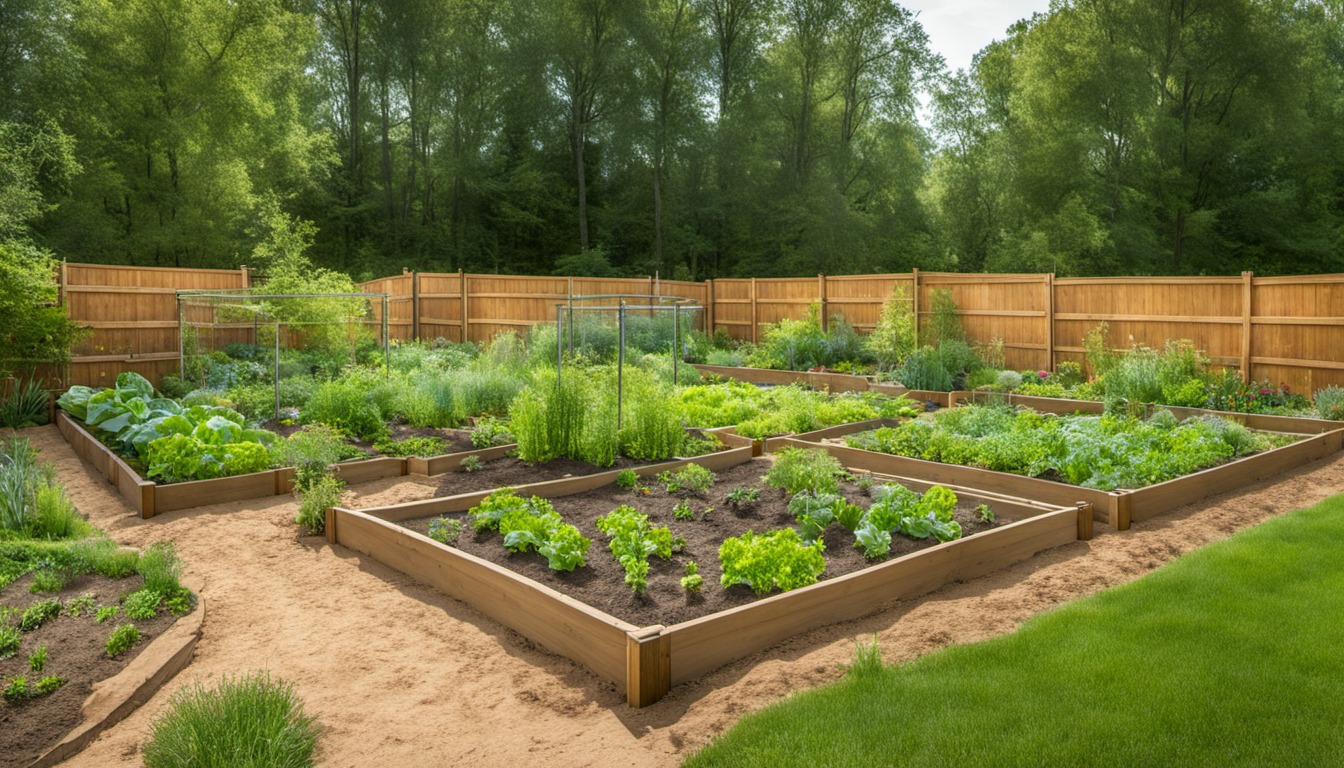
Observe before amending
After rain or irrigation, check how deeply water penetrates and how quickly the root zone dries. Soil can vary across a yard, so inspect more than one location. A soil test provides nutrient and pH information that texture alone cannot supply; sample distinct beds separately when they differ.
Add stable organic matter
Finished compost can help build a more favorable growing medium over time. Use a known, mature material and incorporate it when conditions permit rather than adding raw waste immediately before planting. Repeat modest additions as needed and track results instead of assuming a single application permanently changes the soil.

Water the roots
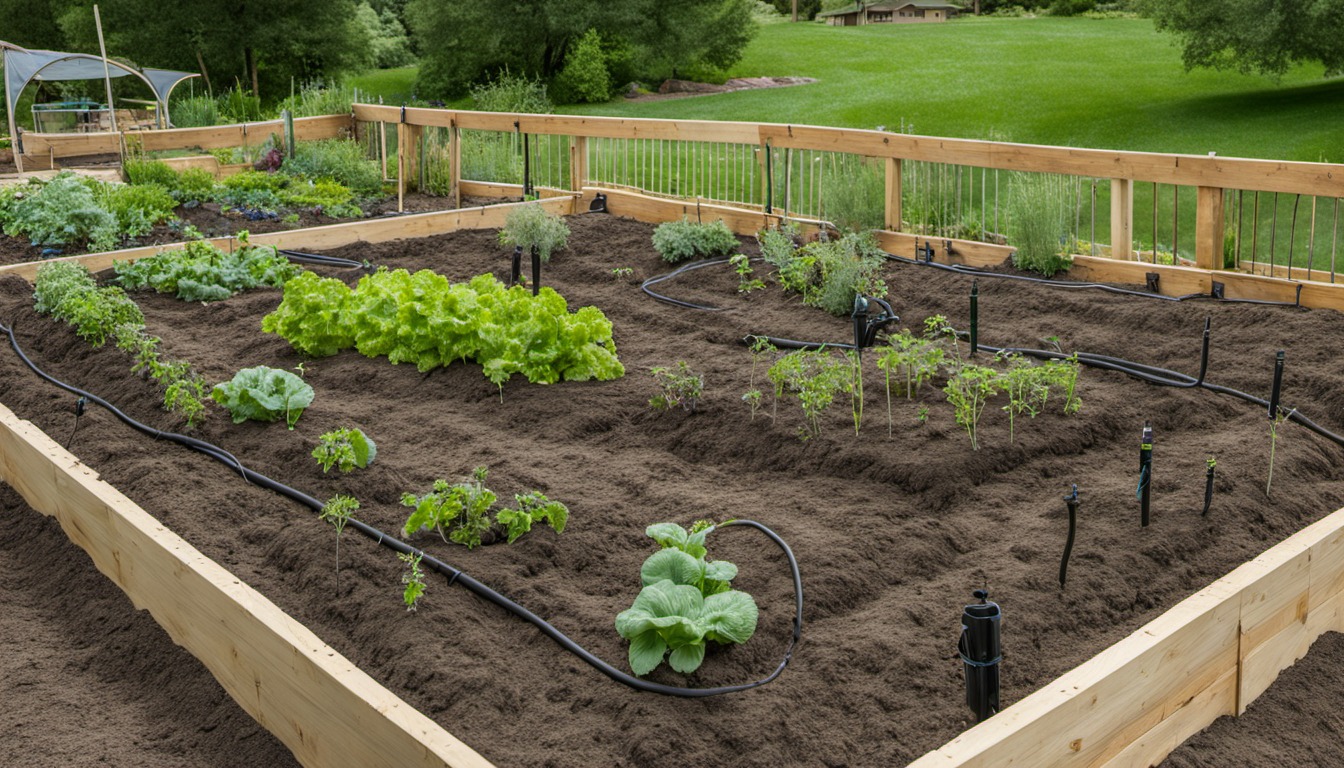
Fast drainage may call for smaller, more frequent applications than a heavier soil, especially for shallow seedlings. Check the soil at root depth to avoid both dry pockets and unnecessary watering. Drip tubing can deliver water near plants, but inspect its wetting pattern and leaks rather than assuming every emitter behaves alike.
Cover bare ground
Organic mulch helps limit evaporation and suppress weeds. Apply around established plants while leaving stems clear, and replenish as it breaks down. Mulch slows surface drying but does not replace checking the root zone; a wet-looking surface can still conceal an unevenly watered bed.
Match nutrition to evidence
Nutrients can move differently in sandy soils, so follow the soil-test recommendation and its timing rather than applying a large amount by habit. Keep fertilizer away from seedlings as directed on the product, and record both application and plant response for discussion with Extension.
Example: test the irrigation pattern
After watering, use a trowel to inspect the soil near a plant and a short distance away. If the root zone is wet only in a narrow column, check emitter placement and flow before extending the timer. Apply water in manageable intervals and check again; the right schedule depends on the actual soil, weather and plant, not just the number printed on the emitter.
During seed emergence the surface may dry before a deeper established root zone needs water. Separate these beds or zones if possible so a shallow row can receive appropriate attention without repeatedly saturating another crop. Add finished compost over time and mulch established plants, then record how the soil responds during both rain and hot, windy periods.
Keep records of where compost came from and how much you applied. A dark color alone does not reveal a material’s nutrient content or guarantee it is finished. A separate test for a substantially different bed helps you avoid applying one part of the garden’s recommendation indiscriminately to another.