Oklahoma garden field guide
Gardening in Oklahoma Clay Soil
Clay can hold moisture and nutrients, but a wet clay bed is easily compacted. The goal is a workable growing area with good drainage, not an overnight conversion to another soil type.
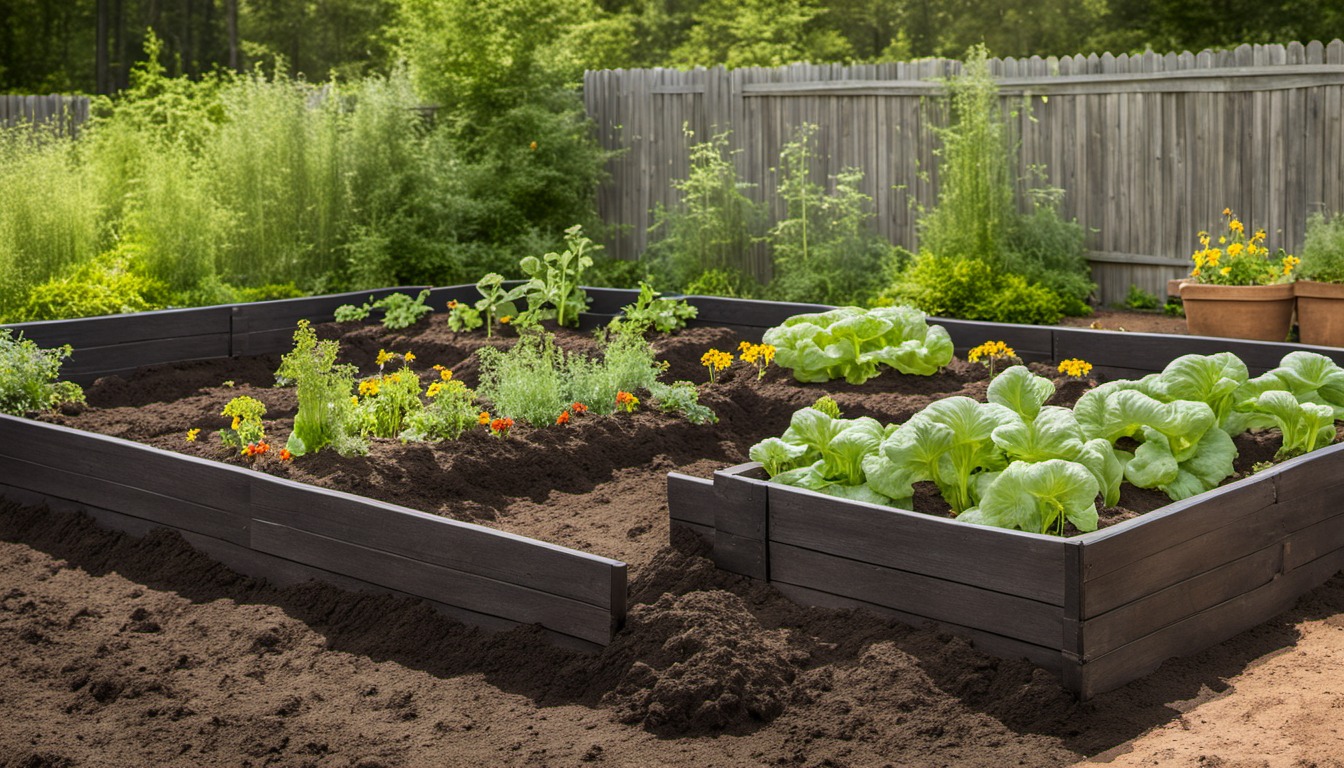
Judge moisture first
Squeeze a small handful: soil that smears or forms a sticky lump is too wet for digging. Wait until it crumbles more readily. Walking and tilling wet soil can leave dense clods that are difficult to repair. Use paths or boards to keep repeated foot traffic off the growing area.
Build organic matter gradually
Finished compost can improve soil structure over time. Spread a modest layer and incorporate it only when soil is workable, or use it as a surface amendment where appropriate. Avoid assuming that adding a little sand will solve heavy soil; the amount and mixing required are much greater than a casual amendment.
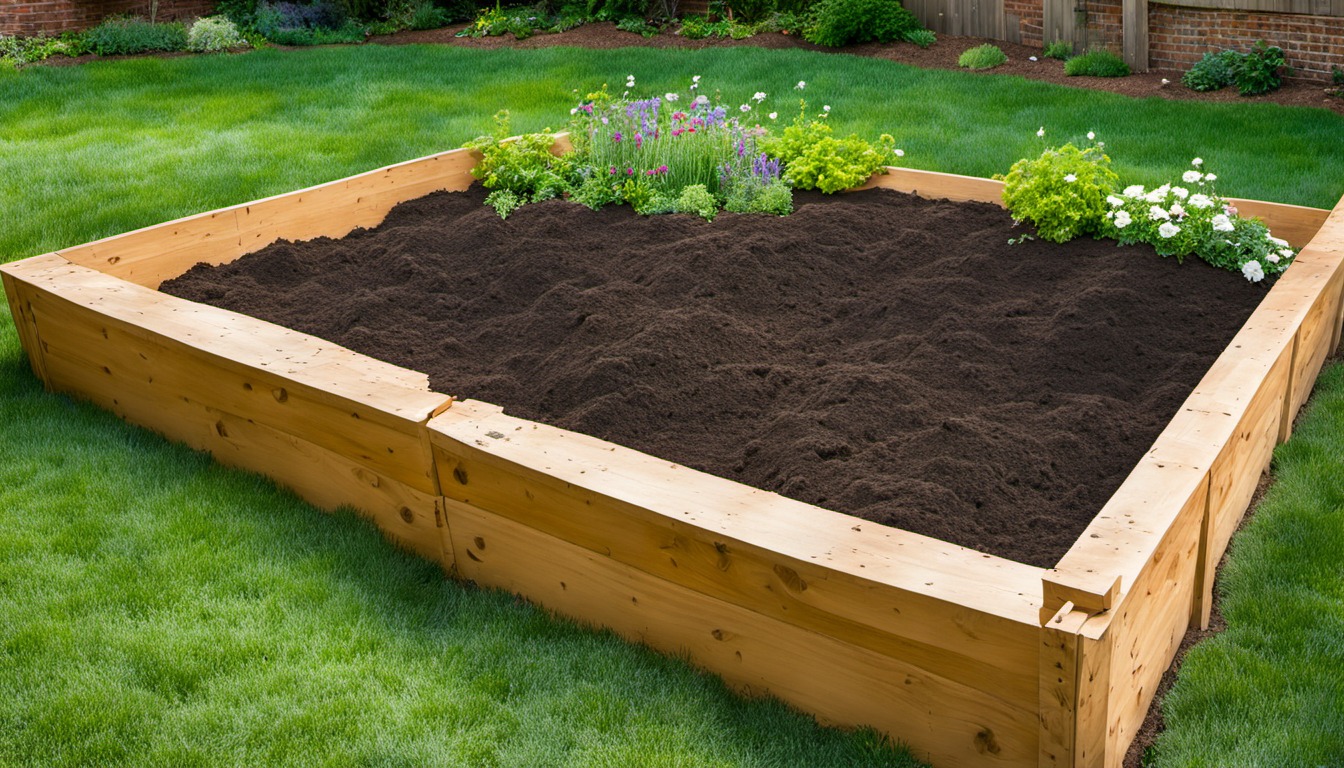
Check the whole site
A raised bed can help create a workable planting area, but it cannot make a persistently flooded site drain by itself. Watch where runoff comes from and where water goes after rain. Build on a suitable site and use appropriate garden soil, leaving room to reach the center without stepping inside.
Use a soil test for nutrients
Texture does not tell you whether fertilizer or lime is needed. Take a representative sample and ask the county Extension office to interpret the result. Compost is useful organic matter, but it is not a substitute for measuring nutrient needs or following a crop-specific recommendation.
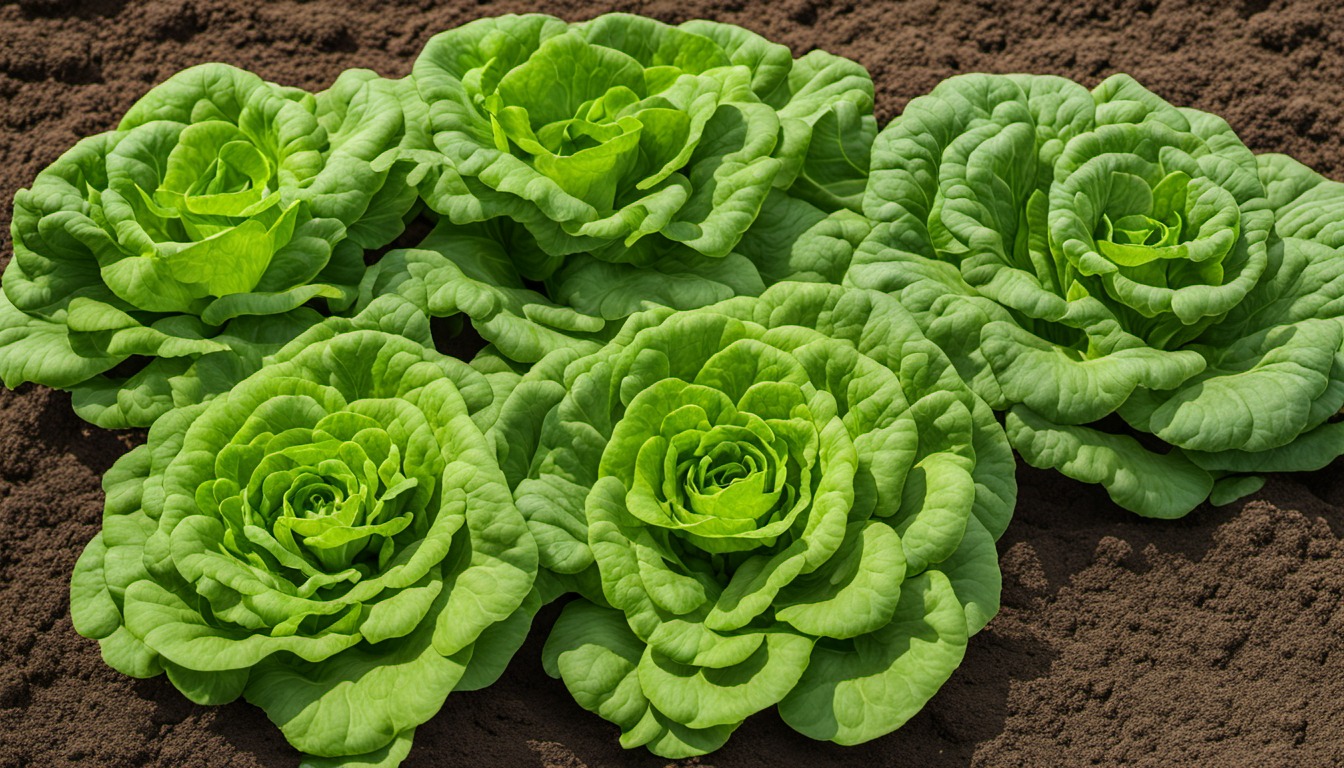
Choose a realistic first bed
Start with a manageable area, establish defined paths and observe it through both heavy rain and a dry spell. Mulch after plants are established and check beneath it before watering. Record drainage and plant performance; gradual improvement is easier to evaluate than a large one-time addition of unknown material.
Example: a bed after heavy rain
After a storm, take a small handful from several inches below the surface. If it smears and clings to your tool, postpone digging and keep foot traffic to paths. When it crumbles rather than smears, remove weeds and add finished compost if your plan calls for it. The purpose is to preserve existing structure while building organic matter gradually.
If water remains in the same low spot long after the surrounding yard drains, a taller frame alone may not address the site’s runoff. Observe where water enters and leaves, and choose a better-drained location where possible. For a small first project, work on one reachable bed and compare its performance over several weather cycles before expanding.
Mulch paths or establish another durable walking surface to reduce the temptation to step into a wet bed. A garden fork can help loosen a small area once the soil is workable, but repeated aggressive tillage can damage structure. Observe whether water infiltrates and plants root well before making another major amendment.