Oklahoma garden field guide
Soil Temperature and Planting in Oklahoma
A sunny afternoon does not necessarily mean the soil is warm enough for every seed. Soil temperature, moisture and the crop’s own requirements belong beside the calendar on your planting checklist.
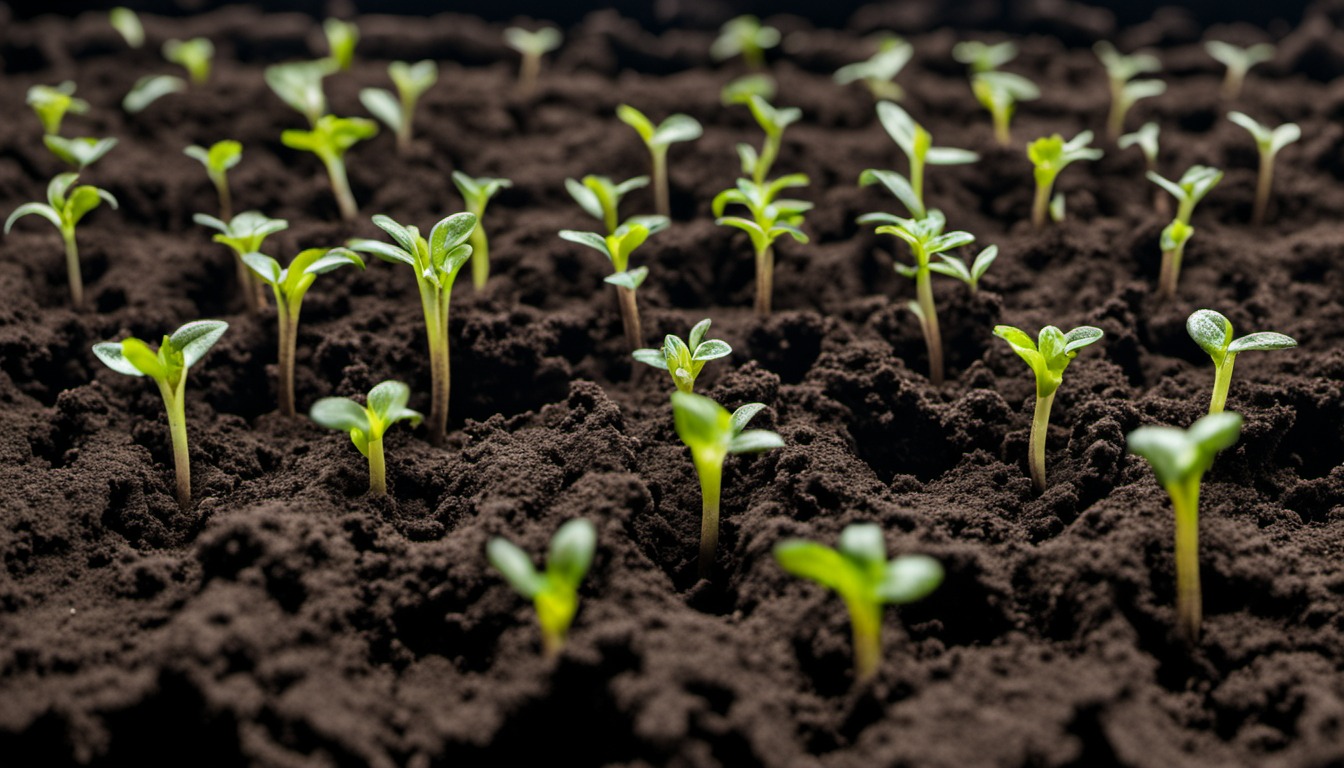
Measure where roots will grow
Use a soil thermometer at the intended sowing depth and follow its instructions. Read at a consistent time for several days rather than relying on one afternoon. A raised bed, shaded plot and open field can warm differently; an observation station is useful context, not a substitute for the bed itself.
Distinguish cool and warm crops
OSU’s planning guide states that cool-season vegetable seed should have soil at the planting depth of at least 40°F. Crops differ, and that threshold is not a recommendation for warm-season seeds. Check the seed packet and crop-specific Extension guidance for suitable germination conditions.
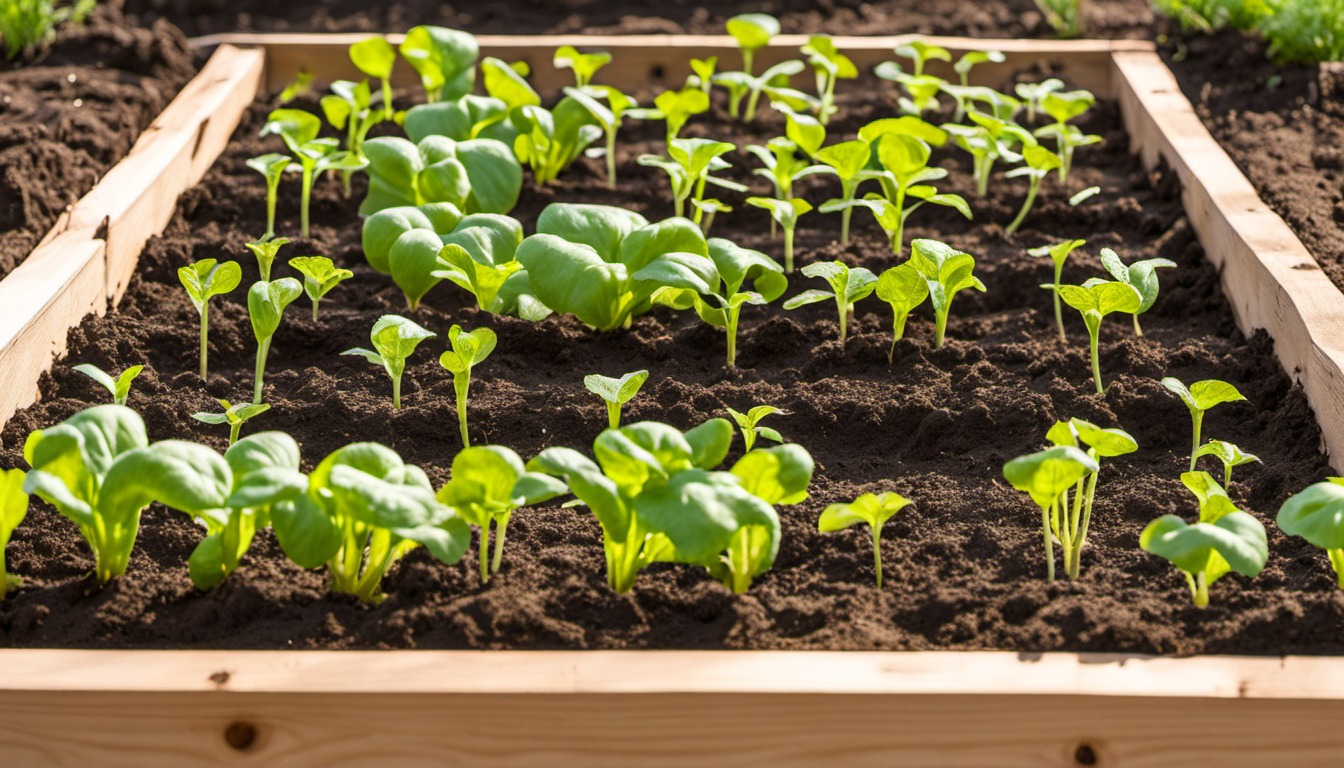
Tomatoes need more than a frost date
The OSU tomato guide recommends transplanting when weather has warmed and soil is above 60°F. It describes approximate timing of April 5 in southern Oklahoma and April 25 in the northwest, illustrating how far a statewide season can vary. Neither example overrides a cold forecast or a measurement in your bed.
Check moisture before digging
Wet soil can compact into hard clods when worked. If it sticks heavily to tools or forms a slick mass, wait for it to dry enough to crumble. Raised beds can improve drainage, but they still need observation; hot, dry soil can also make it difficult for small seeds to emerge.
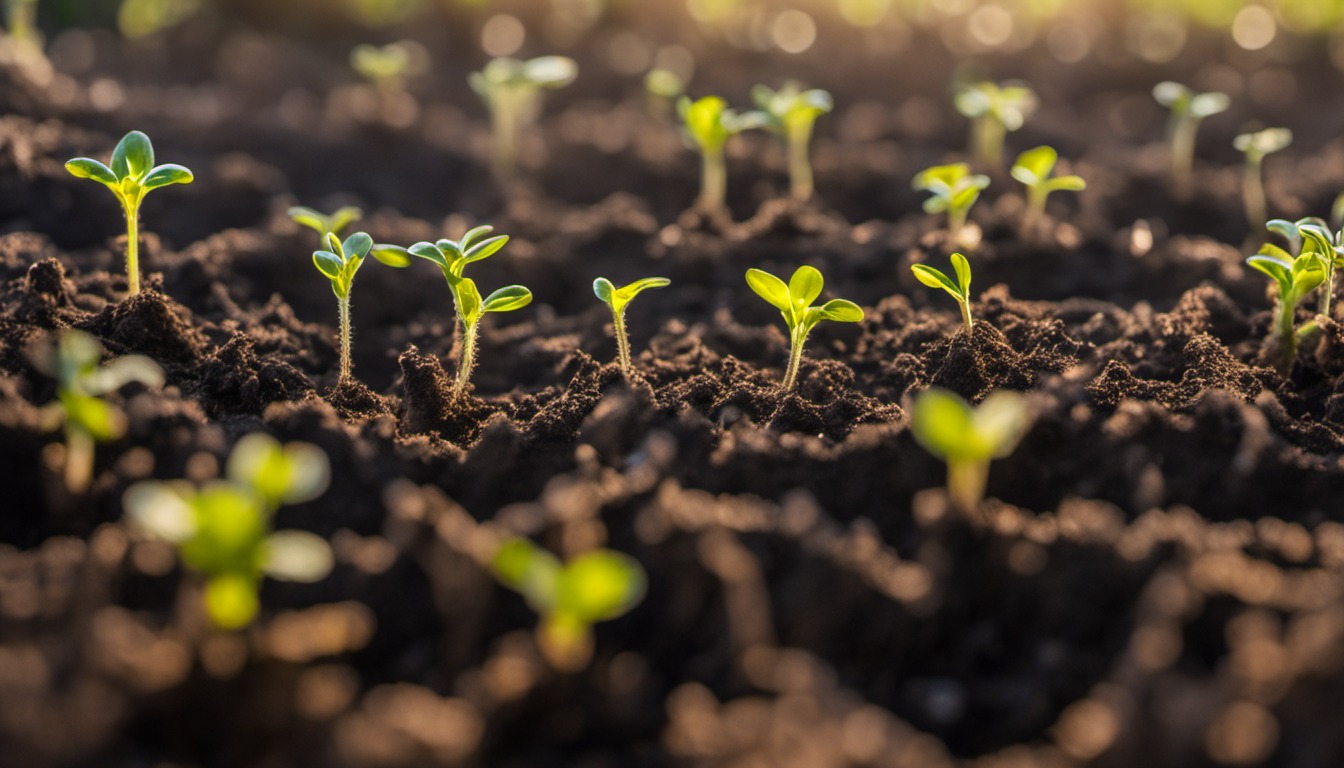
Keep a simple comparison
Record soil temperature, sowing date, weather and emergence for a few rows. If a row fails, check planting depth, moisture, seed age and crusting as well as temperature. Re-sow only after checking that enough of the recommended local season remains.
Troubleshoot slow emergence
If a warm-season row has not emerged, compare the elapsed time with the packet and gently inspect a small section. Cold soil, a dry surface, crusting, excessive depth, old seed or saturation can produce similar empty rows. Measure at the seed depth and check moisture rather than assuming a sunny day warmed the whole bed. If a seed has rotted, correct the condition before sowing again.
A raised bed may warm earlier than nearby ground but can also dry quickly. Compare a few measurements taken at the same time of day in both locations, then use the value from the actual planting site. Check the crop’s recommended range and the forecast; a single high reading after afternoon sun is weaker evidence than a pattern of suitable conditions.
Keep the thermometer clean and read it according to the manufacturer’s instructions. In a bed with different exposures, compare the sunnier edge and shaded center before treating one value as representative. Temperature is only one part of germination: moisture, depth, viable seed and a workable seedbed still matter.