Oklahoma garden field guide
Start Vegetable Seeds Indoors for an Oklahoma Garden
Starting a few transplants indoors can widen variety choice and give a crop a head start. The useful starting date is based on a realistic outdoor planting date, not the earliest day you feel like sowing.
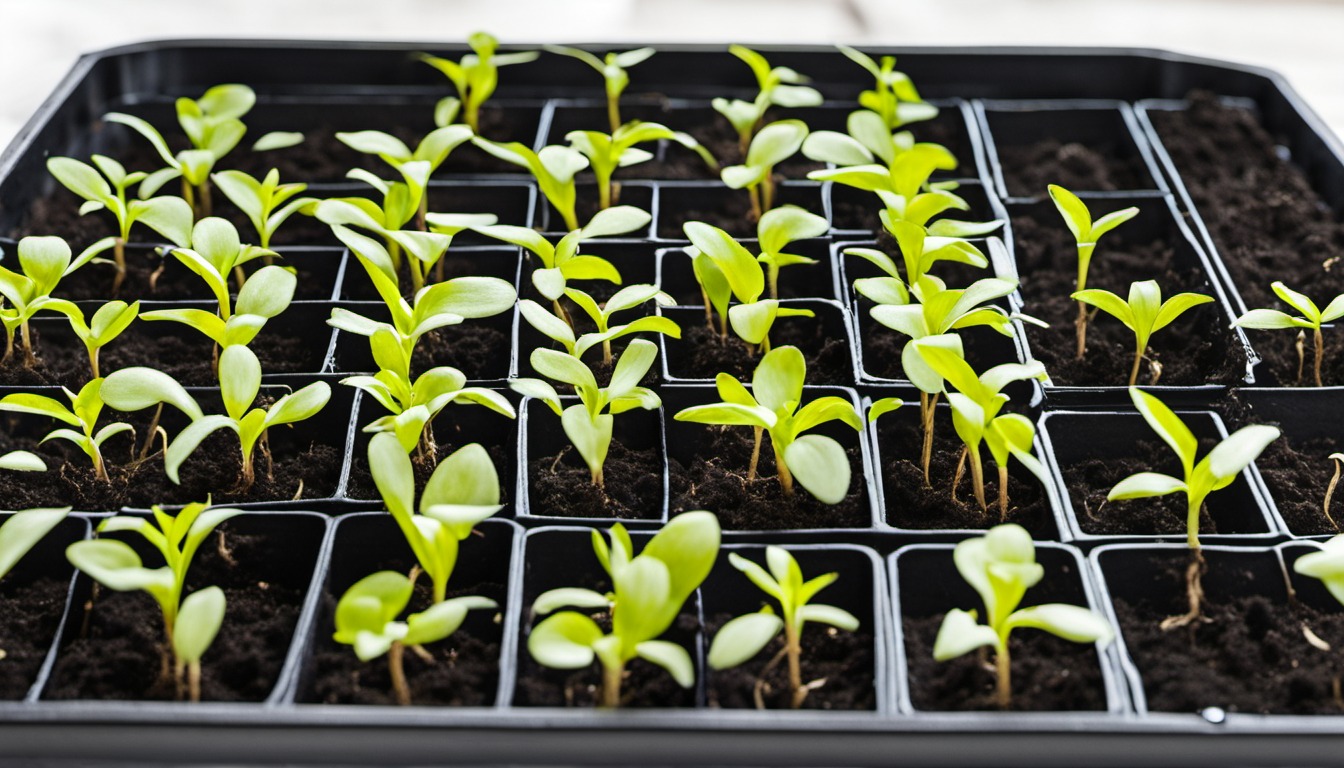
Work backward from planting
Choose a local crop-specific transplant window, then subtract the seed packet’s recommended growing period. OSU notes that tomato transplants commonly take six to eight weeks. A small delay is often easier to manage than a tray of oversized plants waiting indoors through a cold spell.
Use clean, well-drained media
Start with an appropriate seed-starting mix and clean containers with drainage. Sow at the packet’s depth, label the variety and date, and keep the mix evenly moist rather than saturated. Covering trays may help retain moisture initially; remove covers as seedlings emerge to improve air circulation.
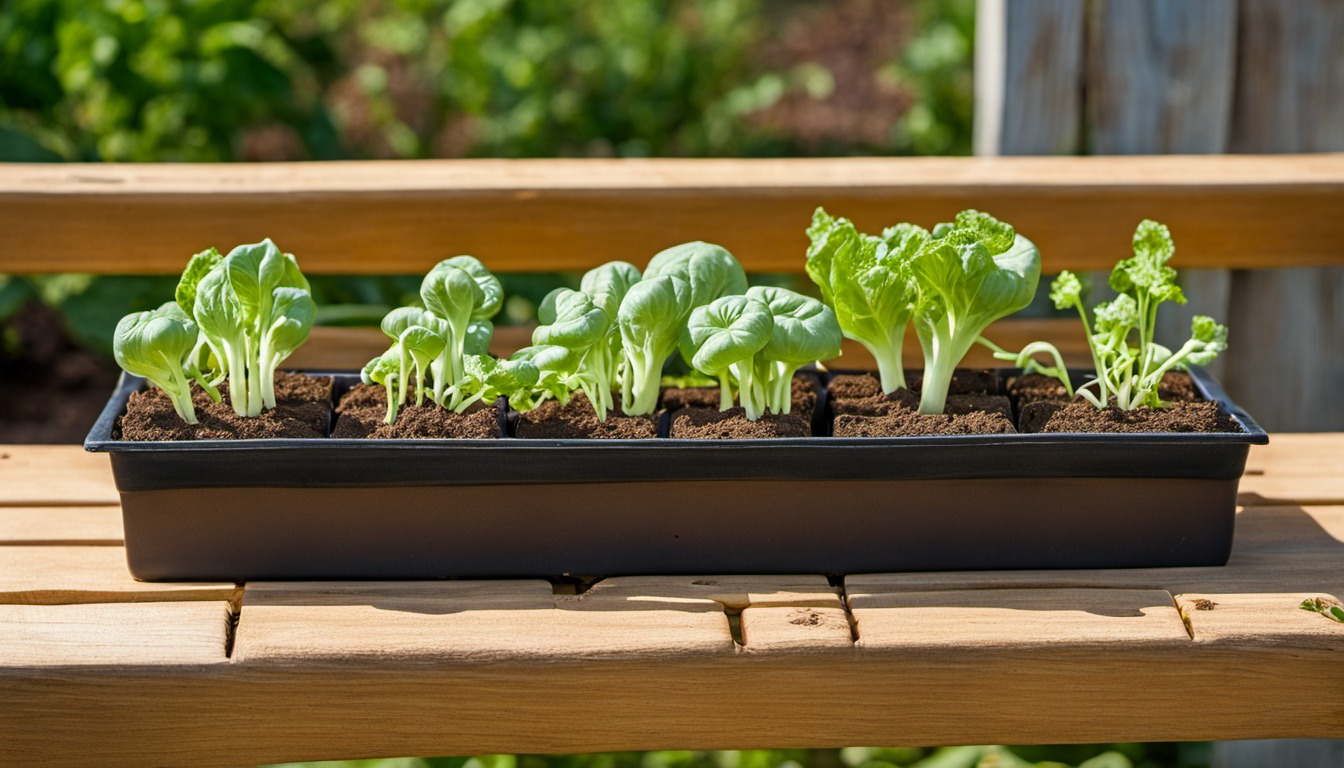
Provide enough light
Once seedlings appear, give them strong, appropriately positioned light and turn or adjust the setup if they lean. Crowded, weak seedlings need more space and attention. Pot up when roots and leaves need room, handling seedlings gently and keeping different varieties labeled.
Harden plants gradually
OSU recommends gradually hardening transplants for about a week. Start with protected outdoor exposure and increase sun and wind gradually while monitoring moisture. Bring tender plants inside when conditions are too cold; hardening off does not make a frost-sensitive crop immune to freezing.
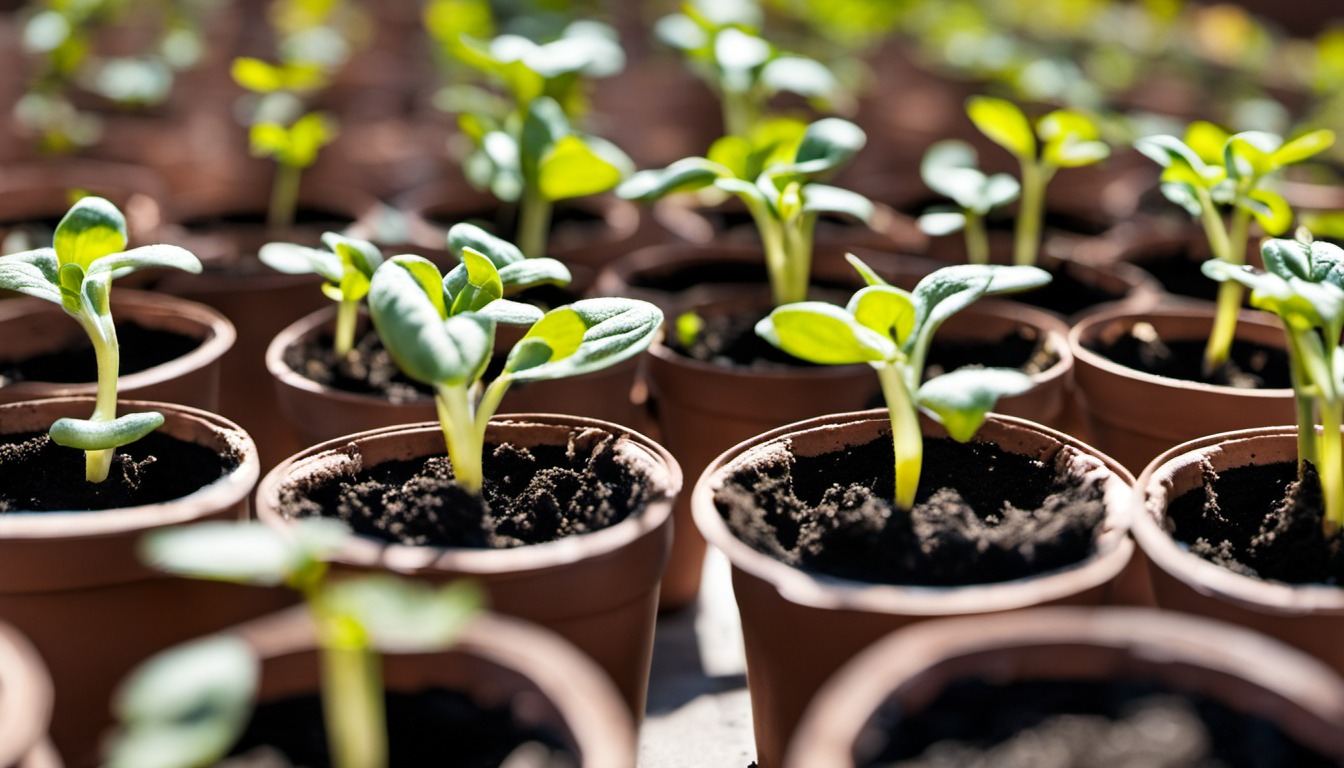
Transplant into suitable conditions
Compare forecast, soil warmth and the OSU planting chart before setting plants out. Water the root ball and surrounding soil, then check both while roots establish. For fall brassicas started in summer, plan a protected place to grow starts and a way to manage heat when they move outside.
Example: avoid oversized transplants
If a tomato needs about six to eight weeks indoors, count backward from a realistic local transplant window instead of sowing as soon as seed arrives. A forecast delay may still occur, so allow enough pot space and light for a short extension. Leggy plants, pale leaves or crowded roots are signs to reassess the setup, not simply add more fertilizer.
During hardening off, start with a sheltered period outdoors and increase exposure gradually. Wind can dry small cells quickly, so check moisture before and after each outing. Bring plants in for conditions they cannot tolerate. Keep fall brassica starts labeled separately from spring trays, and schedule their outdoor bed preparation before the transplants become root-bound.
Keep a label with the sowing date in each tray. If seedlings emerge unevenly, compare the cells for depth, moisture and light before adding another heat source or fertilizer. Thin crowded cells early and pot up gently when needed, keeping the root ball intact enough to recover after transplanting.