Oklahoma garden field guide
Oklahoma Frost Dates, Freezes and Garden Protection
Frost averages are useful landmarks, not guarantees. A sheltered town garden and a low, exposed bed can experience different conditions on the same night.
Separate zone and date
USDA hardiness zones summarize average annual extreme minimum temperatures, primarily to help assess perennial winter survival. They do not specify the last spring frost or first fall frost for a vegetable garden. Find a nearby frost record and label it with its station and averaging period.
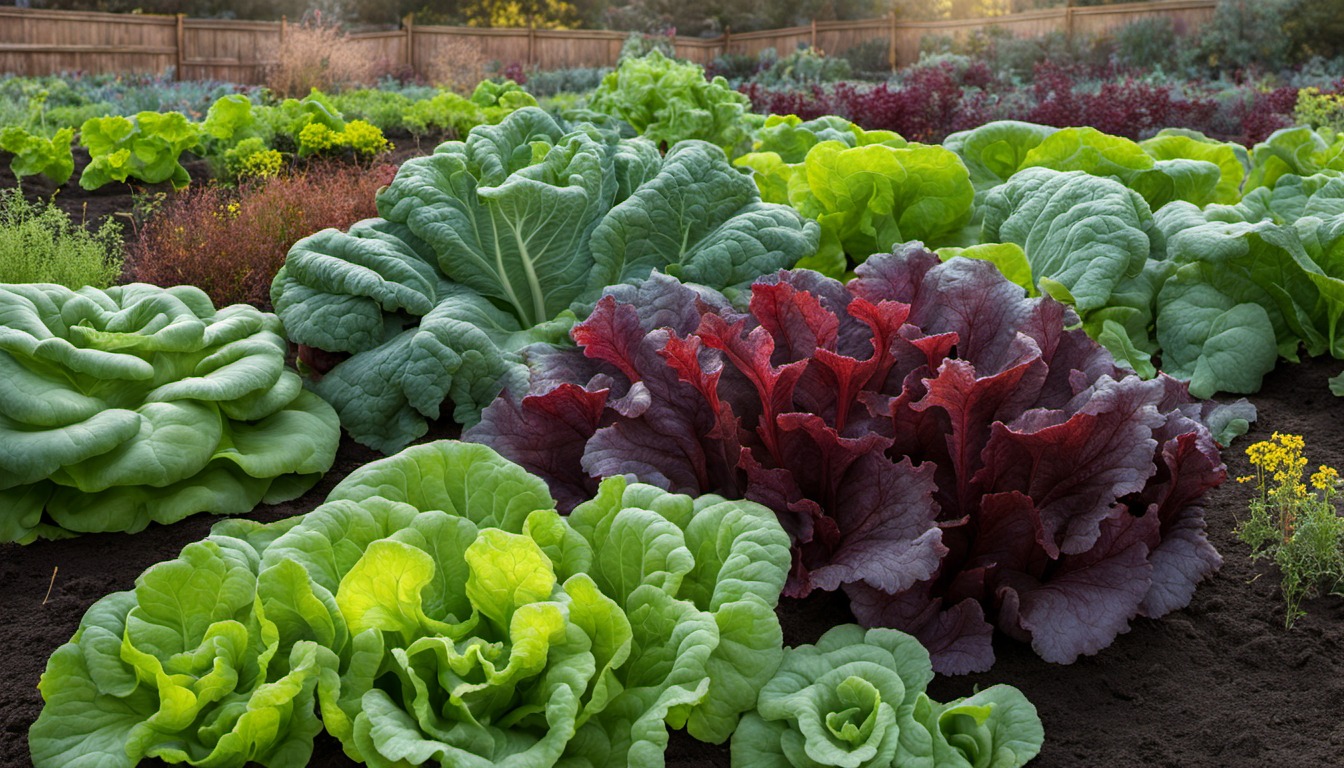
Compare crop tolerance
OSU groups vegetables by hardiness. A light frost can damage a tender tomato while many cool-season greens can handle more cold, though tolerance varies by crop, growth stage and severity. Use the crop table and current forecast together; do not apply one cutoff to every plant in the bed.
Read the place as well as the forecast
Low pockets can collect cold air, while nearby structures and slopes create different exposures. A station is a starting point, not a sensor in every backyard. Consider the forecast low, duration, wind and wetness as well as the plant’s maturity before deciding whether protection is worthwhile.
Use cover with care
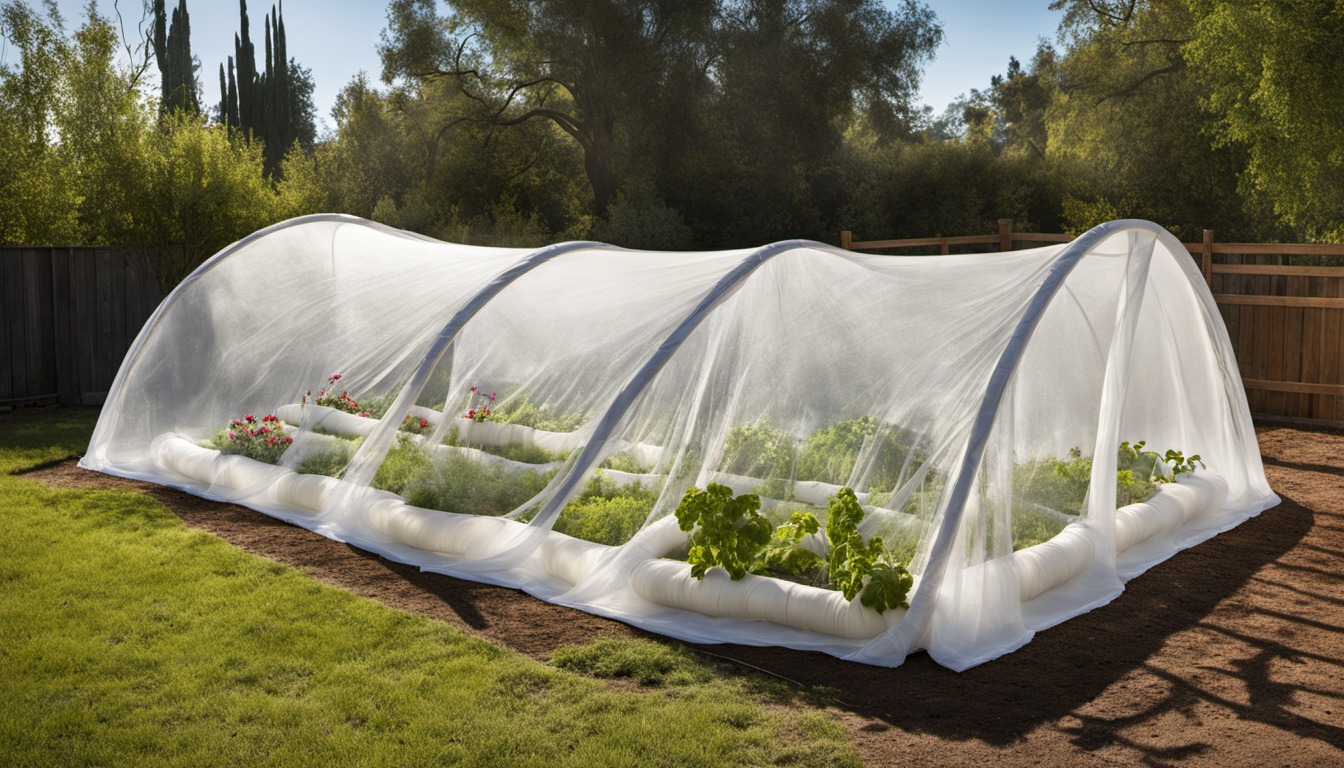
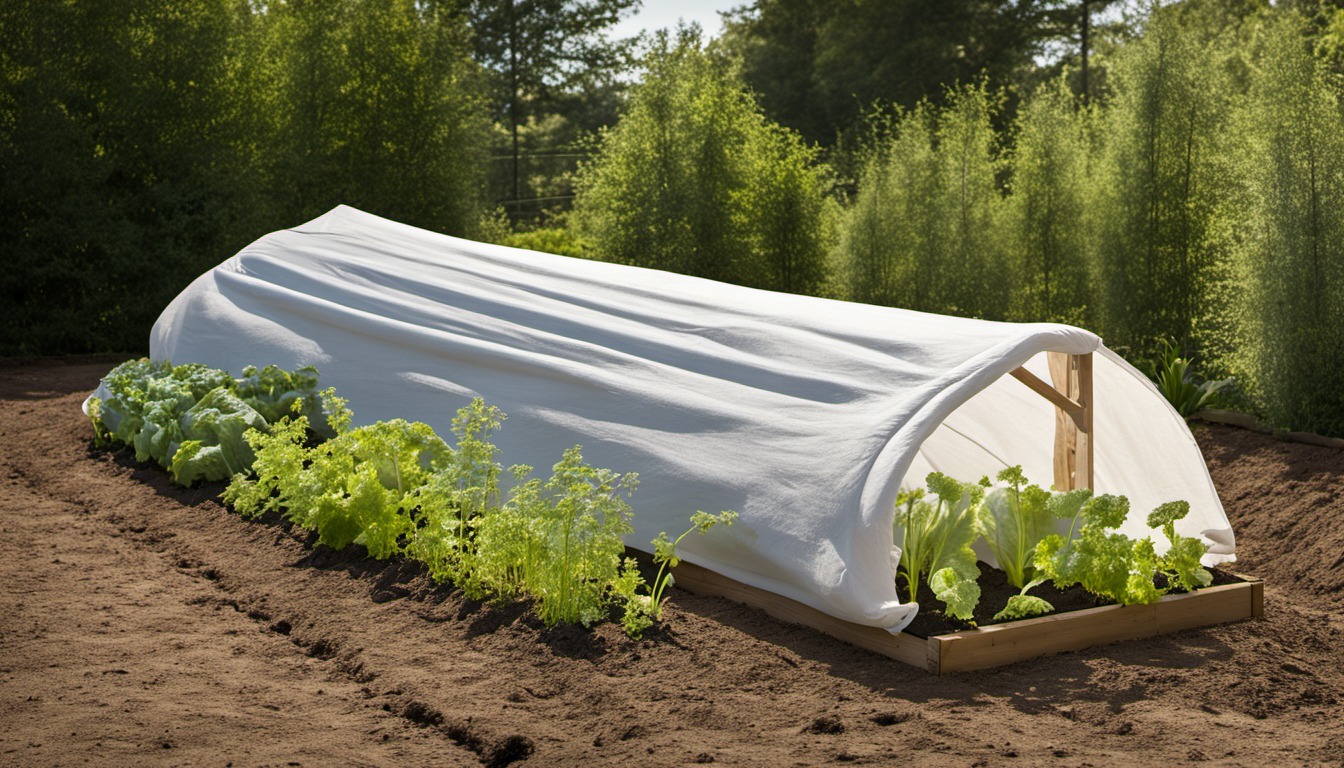
Support lightweight row cover above foliage and secure its edges before a cold night. Cover can moderate exposure, but it cannot guarantee survival in a prolonged hard freeze. Remove or ventilate it when daytime heat builds and keep an eye on moisture beneath it.
Make a harvest plan
Before an early freeze, harvest usable tender vegetables and decide whether a cover is practical for the remaining plants. For cool-season crops, check individual guidance rather than assuming that every leaf will be ruined. Record the actual first damaging cold event and compare it with the station average next season.
Example: two crops, one cold night
A forecast low near freezing calls for a different decision for a tender tomato than for an established cool-season green. Pick usable tomatoes before the event and decide whether a supported cover is practical. For the greens, consult the crop’s tolerance and the forecast duration; a light frost and a prolonged hard freeze are different events. No cover should be advertised as a guarantee.
Keep a small record with the station used for your average, the forecast and the actual damage in each bed. A single observation does not establish a new local average, but repeated notes can reveal a low corner that consistently needs earlier attention. When choosing a station, compare its exposure and elevation with your garden as well as its distance.
Place supports before the forecast event, not in the dark after temperatures begin falling. Secure fabric against wind without sealing plants in airtight plastic. The next morning, check conditions beneath the cover and ventilate when needed; strong sun can quickly warm a protected space even on a cool day.