Oklahoma garden field guide
Grow Carrots, Beets and Radishes in Oklahoma
Root crops reward a well-prepared seedbed and careful thinning. They share a preference for direct sowing, but their maturity and planting windows differ enough to plan separately.
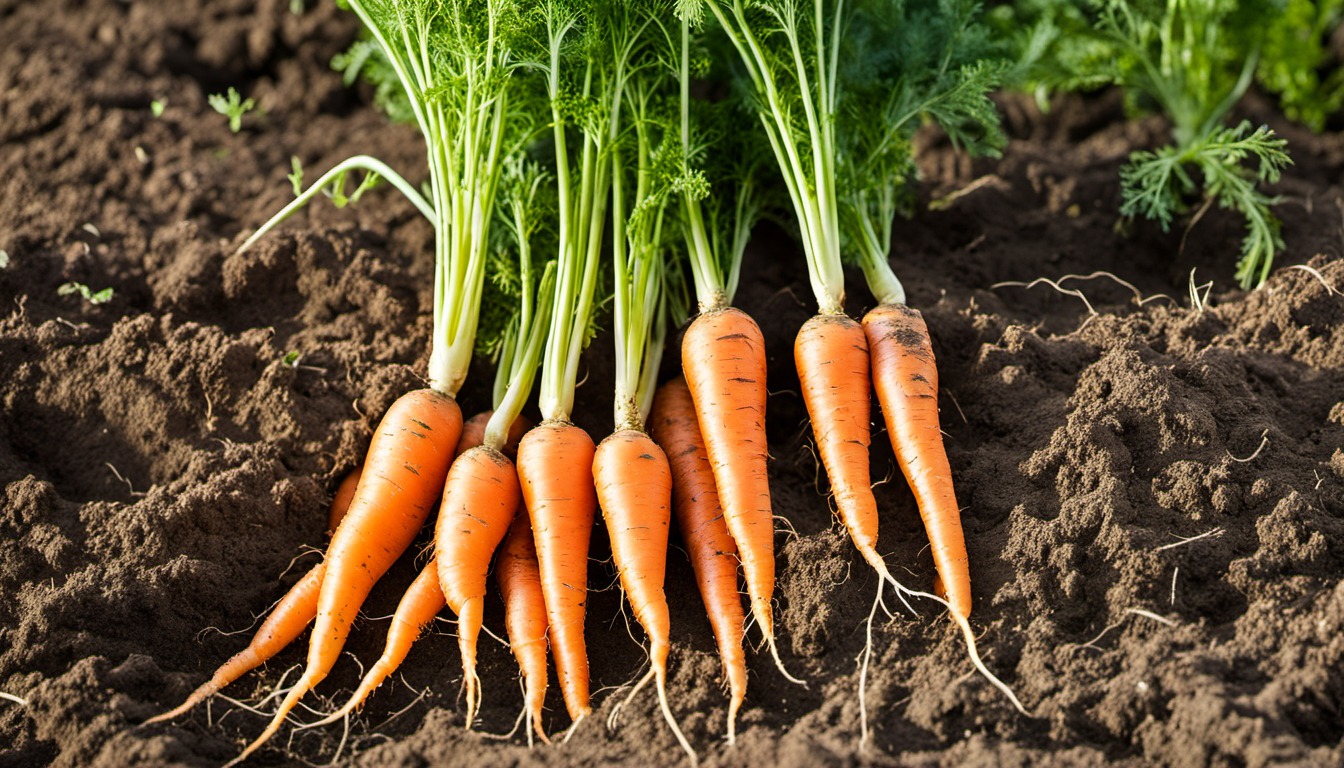
Prepare the soil
Choose a workable, well-drained bed and remove stones or compacted clods where possible. Avoid digging wet clay, which can make the texture worse. A soil test can guide fertility; adding a large dose of fertilizer immediately before sowing is not a substitute for a suitable seedbed.
Read the crop chart
OSU’s spring guide lists carrots from February 15 to March 10 and radishes from March 1 to April 15, with the statewide range generally progressing southeast to northwest. The fall table gives separate dates and maturity estimates. Check the variety packet as well as the chart.
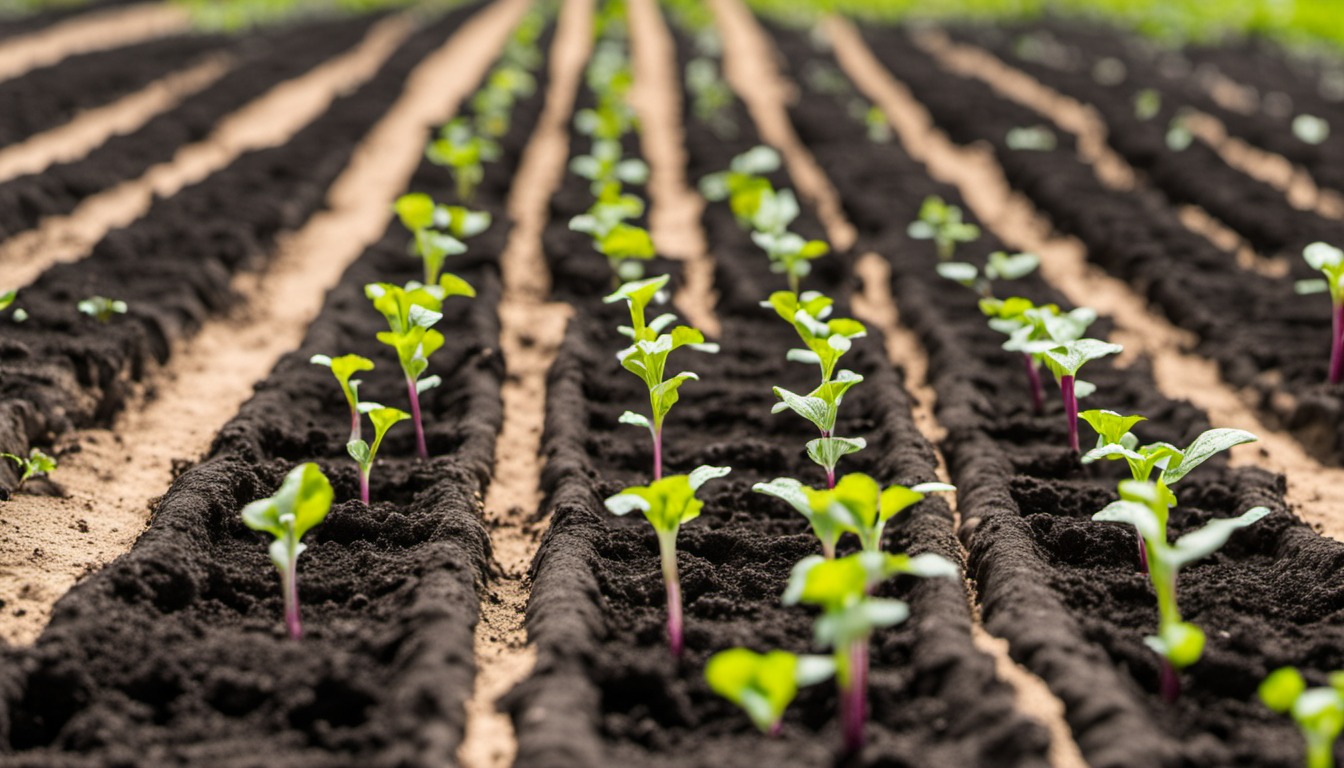
Sow shallow seed carefully
Follow each packet’s depth and keep the surface evenly moist during germination. A gentle spray is less likely to displace fine seed than a strong jet. Mark the row and planting date so a slow-emerging crop is not mistaken for an empty bed.
Thin to usable spacing
When seedlings are large enough to handle, thin gradually to the recommended distance. A crowded row may produce many leaves and undersized roots. Weed while plants are small, but avoid deep cultivation that cuts roots. Check moisture below the surface during dry weather.
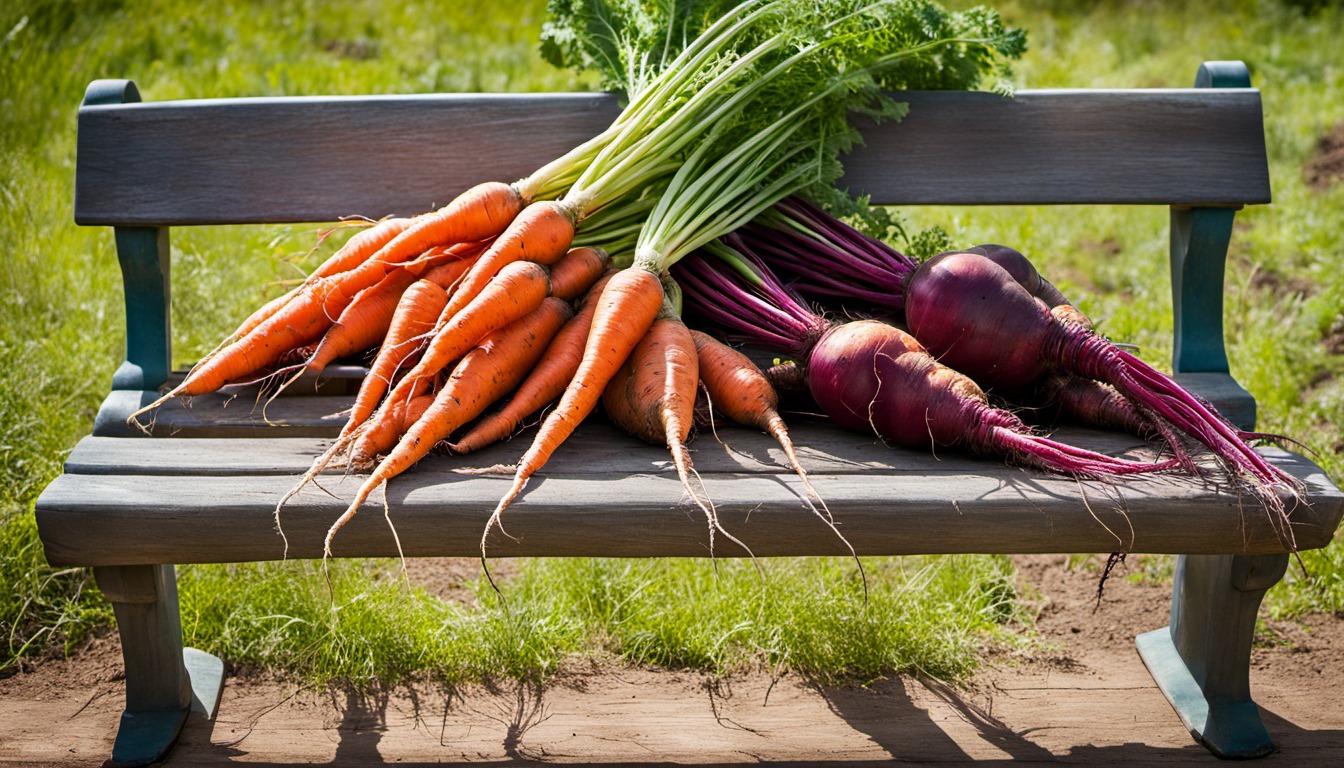
Harvest by size and condition
Radishes can mature much faster than carrots; check their shoulders or lift a sample rather than waiting for every row to finish together. Harvest in suitable soil conditions, remove excess soil and wash produce before use. Record sowing and harvest dates to improve succession plans.
Example: stagger quick and slow roots
A short radish row can be checked for harvest much sooner than a carrot row. Sow and label them separately, consult each packet and the OSU window, and sample a radish when it approaches the expected size. A carrot row left in the bed longer needs a plan for ongoing weeding and moisture even after the radishes are gone.
If roots are crowded, thin while seedlings are small instead of waiting until they compete heavily. If carrots are forked, inspect the bed for stones, hard clods or other obstructions; one harvest cannot prove the cause. Use that observation to prepare a better seedbed next season without digging wet soil into compacted lumps.
Choose varieties with root lengths that suit the depth and condition of the bed. Shorter carrots may be more practical in a shallow container than a long-rooted variety, provided it has adequate drainage. Check the packet for spacing and avoid assuming that a dense row will produce more usable roots.