Oklahoma garden field guide
Grow Lettuce, Kale and Other Greens in Oklahoma
Leafy greens can turn a small bed into repeated harvests, but lettuce, kale, collards and mustard do not all have identical heat or cold tolerance. Choose the crop for the season you have.
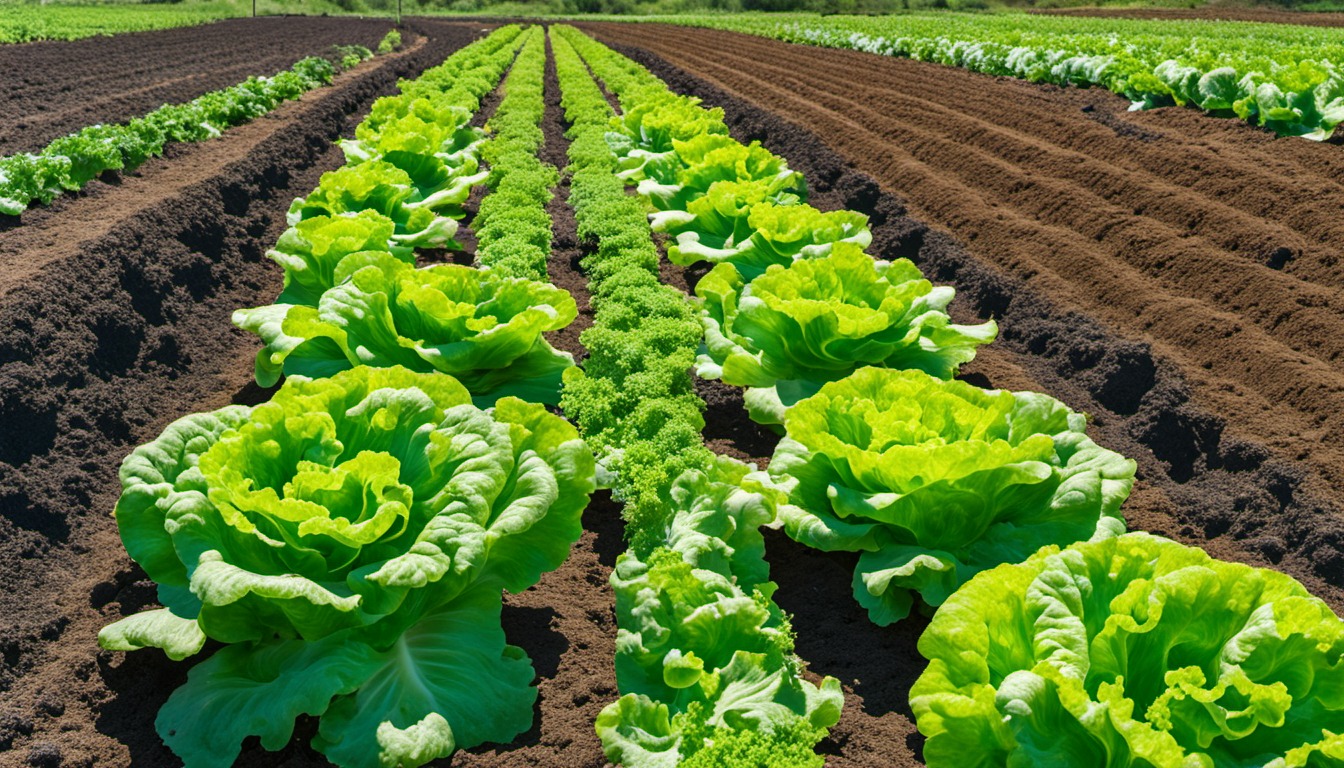
Read crop-specific windows
OSU’s spring planning chart lists leaf lettuce for February 15 to March 10, from southeast to northwest. Its fall chart gives different windows for lettuce, mustard and other greens. Match the table to the crop and seed or transplant method; do not treat one window as a rule for all greens.
Prepare a fine seedbed
Small seeds need a reasonably even surface and the planting depth on their packet. Water gently so seed is not washed into piles, and keep the shallow seed zone moist until emergence. Avoid working soil when it is sticky and wet, or leaving a hard crust over tiny seedlings.
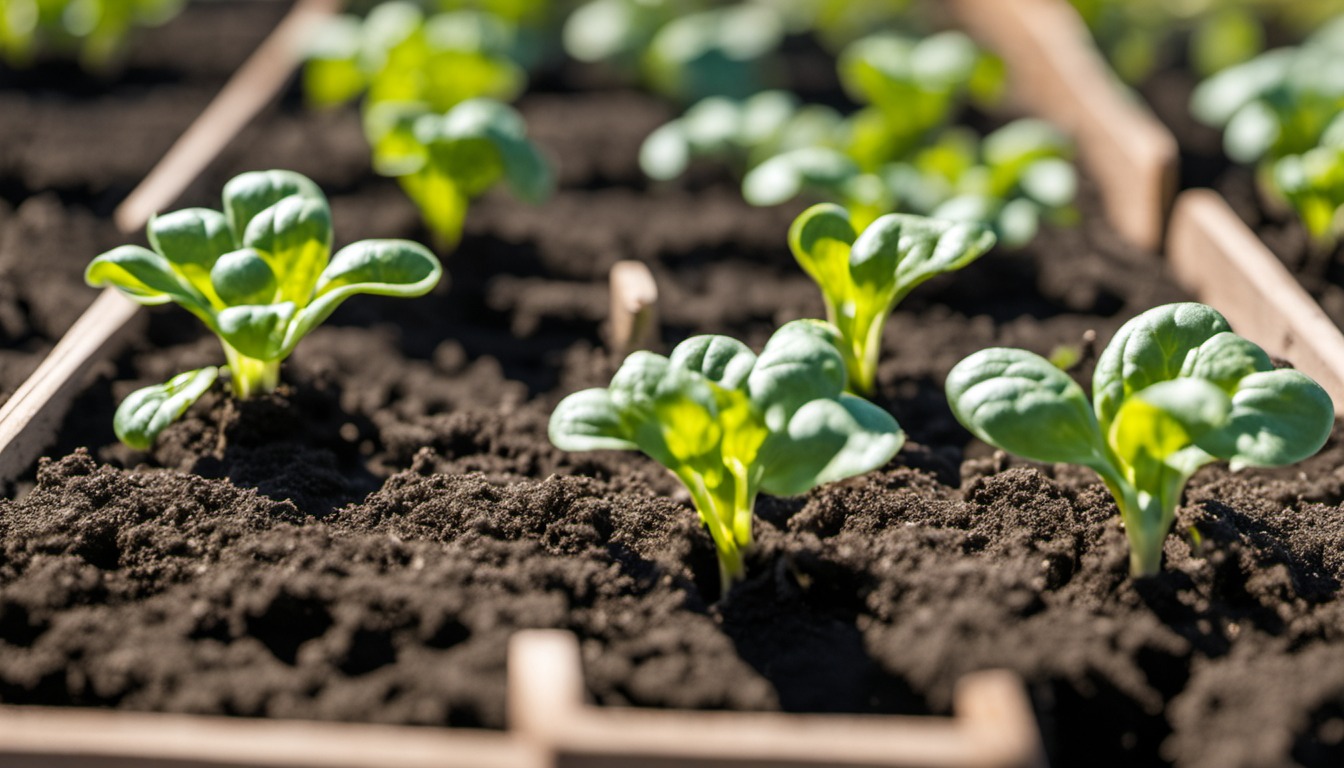
Thin and space
Crowded seedlings compete and may remain small. Thin to the packet or Extension spacing, using the removed edible seedlings if clean and suitable. For transplants, check the root ball and surrounding bed separately until roots establish, particularly in late-summer heat.
Harvest in stages
Pick outer leaves where the crop and variety allow, or cut a whole head at the desired stage. Avoid stripping a small plant completely. Frequent inspection helps you harvest before quality declines and spot insects early; wash produce under running water before eating.
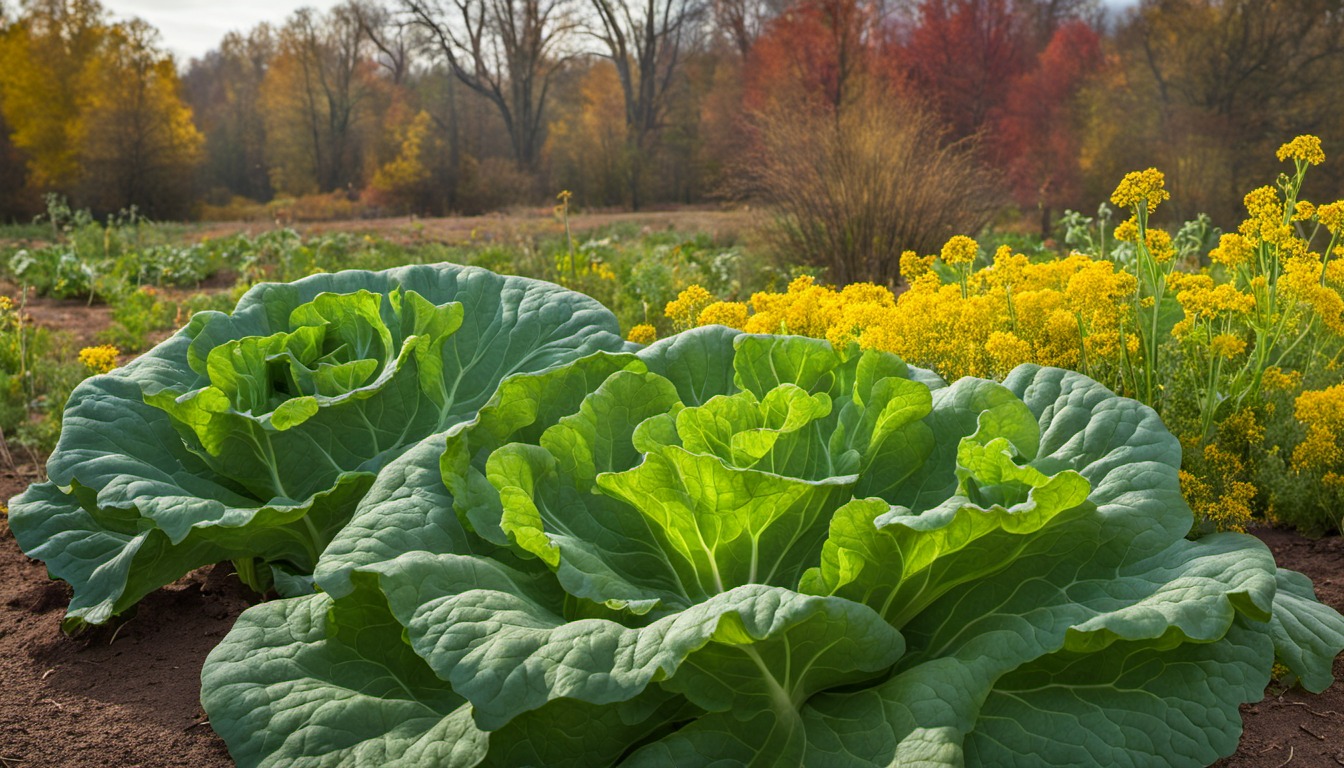
Plan the next planting
Some greens tolerate light frosts better than tender summer crops, but the amount of cold they handle differs. Use the fall chart and forecast together, and have cover ready if appropriate. When a row finishes, clear it and choose a replacement that still fits the local season.
Example: compare two fall rows
OSU’s fall table lists leaf lettuce and mustard at different times, so treat them as separate sowings rather than mixing seed in a single unlabeled row. Write the date and expected maturity beside each. A quick harvest of young leaves can coexist with a later head harvest, but leave enough foliage for the plant to continue growing.
If seed fails in late-summer heat, inspect soil moisture, sowing depth and crusting before repeating the row. Use gentle water that does not displace seed. If the recommended window has passed, choose another crop suited to the remaining season instead of assuming every green behaves alike. Wash harvested leaves under running water and refrigerate promptly.
A small succession planting can provide harvests over more than one week, but every sowing still needs to fit its own crop window. Record whether seed or transplants were used and how the plants handled heat or cold. Compare the same variety across seasons before making a large change.