Oklahoma garden field guide
Build a Practical Raised Bed Garden in Oklahoma
A raised bed can make a small vegetable garden easier to reach and manage. Its best dimensions depend on the gardener, the site and the water supply, not on an attractive diagram alone.
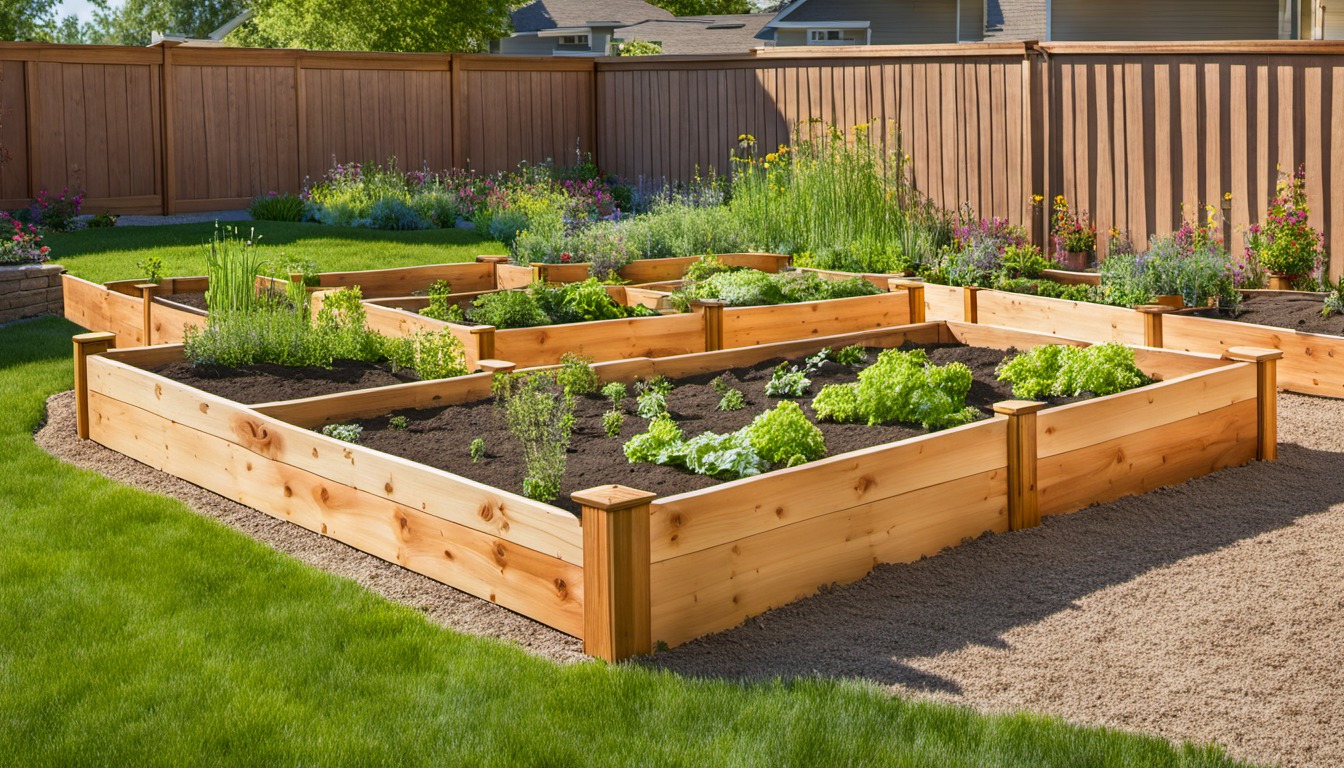
Pick the site first
Choose a sunny location close to water, and watch where rain collects. A frame placed in a flood-prone depression may still be too wet. Leave paths wide enough for the people and equipment using them, and avoid placing the bed where trees compete heavily for light and moisture.
Size it for access
Make the bed narrow enough to reach its center comfortably from the sides without stepping into the soil. Measure your own reach rather than accepting a standard width. Plan the position of tall supports so they do not shade shorter crops, and make the frame stable on uneven ground.
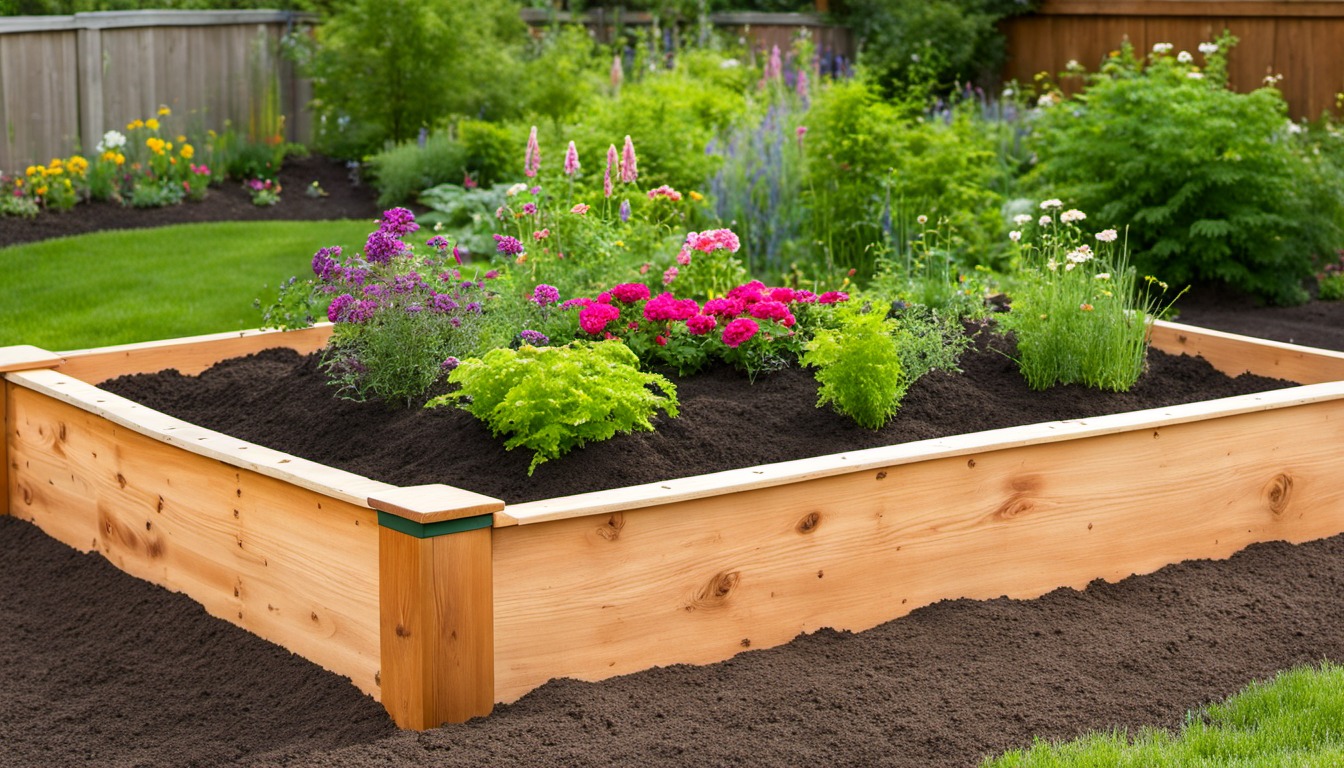
Choose suitable fill
OSU recommends good-quality garden soil for raised beds. Find out what is in a purchased mix and avoid assuming that all compost is balanced planting soil. A volume calculator helps estimate material, but settling and the depth of an existing soil layer affect the final amount. Test the bed if nutrient needs are uncertain.
Lay out mature plants
Use crop spacing rather than the size of a young transplant. Mark access for harvest and install stakes or trellises early to avoid disturbing roots later. Group crops with similar water needs, and leave space for drip lines or a hose to reach the soil.
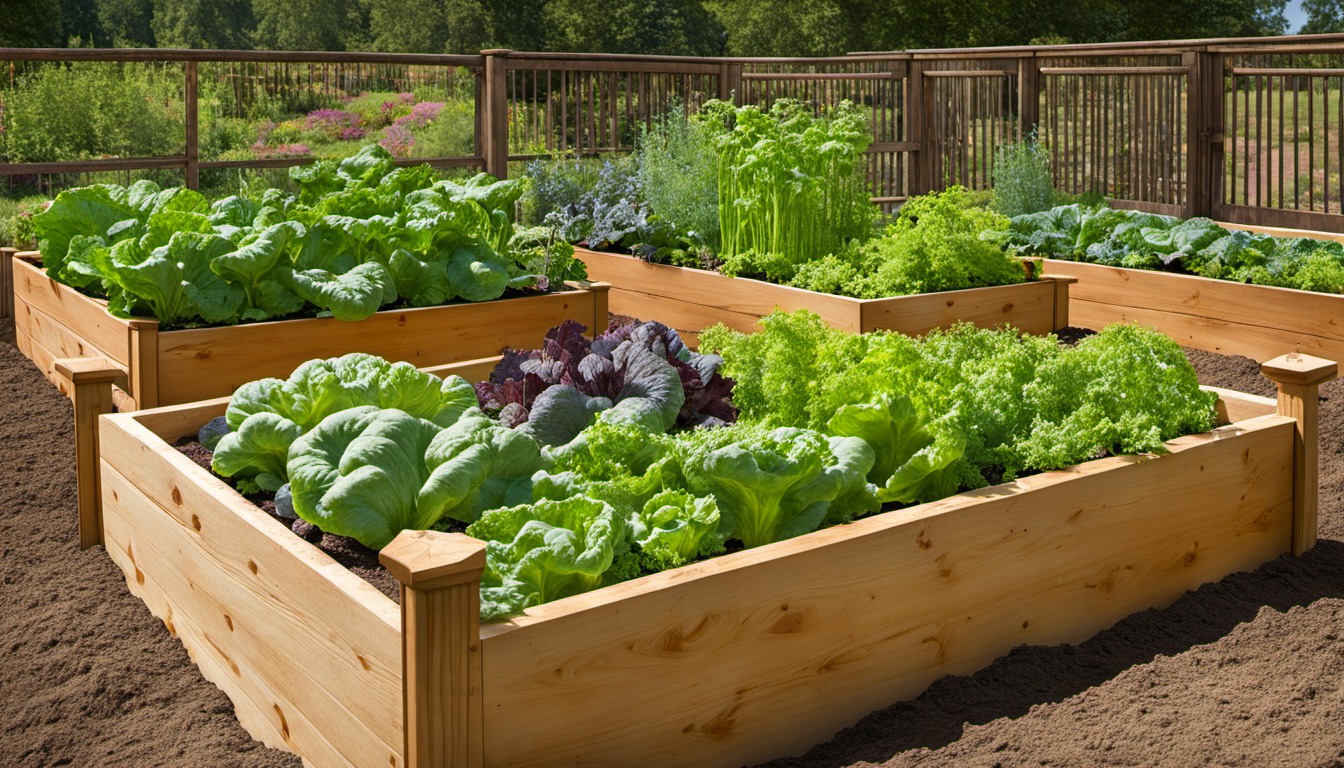
Manage the season
Raised beds may drain and warm differently from surrounding soil, and a small bed can dry rapidly in summer. Check the root zone under mulch, water as needed, and remove spent crops in time for the next planting. Review the OSU spring and fall charts before deciding what replaces them.
Example: plan the fill and the path
Measure the inside length and width of the frame and the depth you intend to fill. Multiplying these dimensions gives a rough volume; use consistent units and account for the soil already beneath the frame. Ask the supplier about the mix and whether delivery quantities are rounded. Settling means the initial volume is an estimate rather than a guarantee of the final surface height.
Before filling, stand beside the frame and check whether you can comfortably reach its center. Leave space for a wheelbarrow or mobility aid where needed and decide where irrigation will enter. A trellis on the side that minimizes shade can support a climbing crop without making a neighboring row inaccessible.
After filling, water the bed and allow the surface to settle before making final planting marks. Recheck access to the middle and to any valve or hose connection. If a bed has an impermeable bottom, its drainage needs differ from a frame open to the ground; provide a suitable outlet and monitor moisture.