Oklahoma garden field guide
Grow Vegetables in Containers in Oklahoma
A patio or balcony can support a useful vegetable garden if its containers have enough root space, drainage and reliable water. In Oklahoma summer heat, a portable pot also needs a careful daily look.
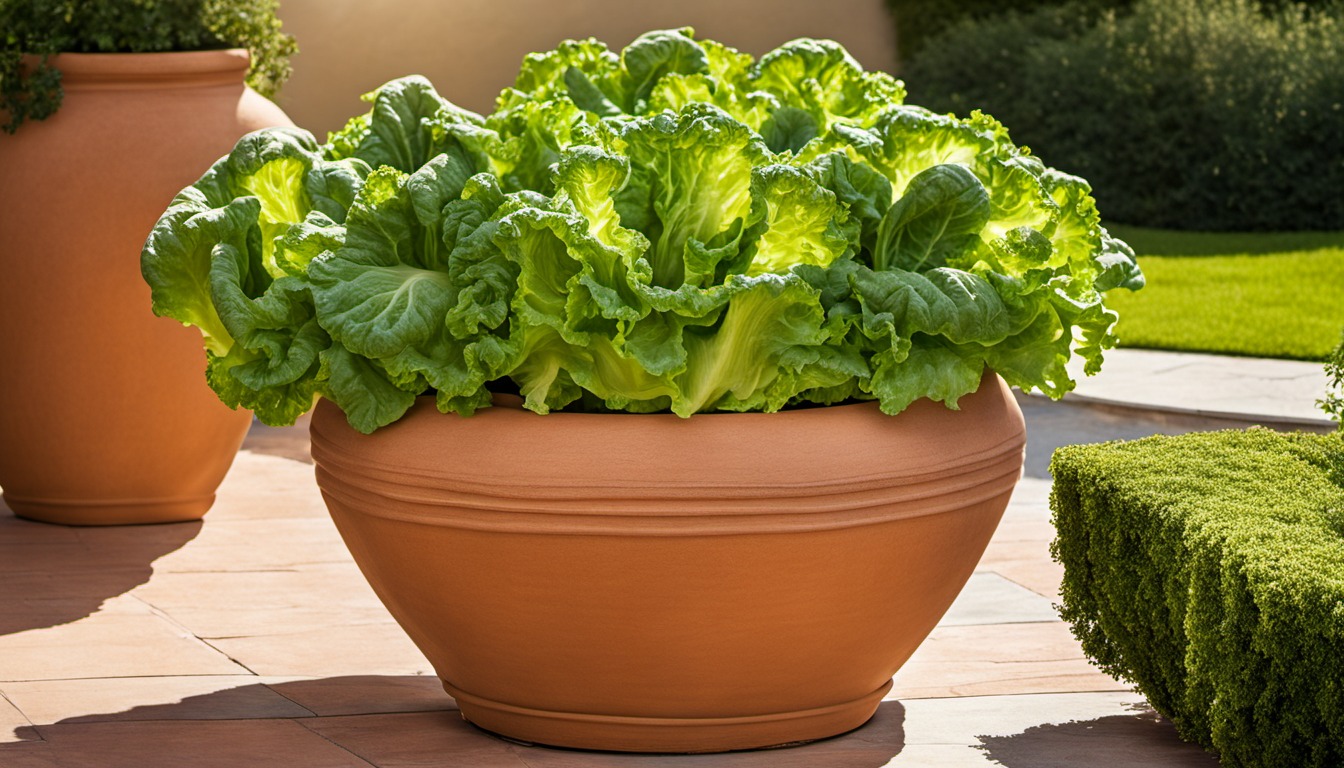
Match pot to plant
Choose a container large enough for the mature root system and heavy enough to remain stable in wind. Compact varieties can make a tomato or pepper easier to manage. A small herb pot is not a suitable substitute for the root space needed by a full-size fruiting plant.
Start with drainage
Use containers with drainage holes and an appropriate container growing mix; dense garden soil can behave poorly in a pot. Make sure water can leave freely and protect surfaces underneath. A raised bed and a container have different drainage and soil needs, even when both sit above the ground.
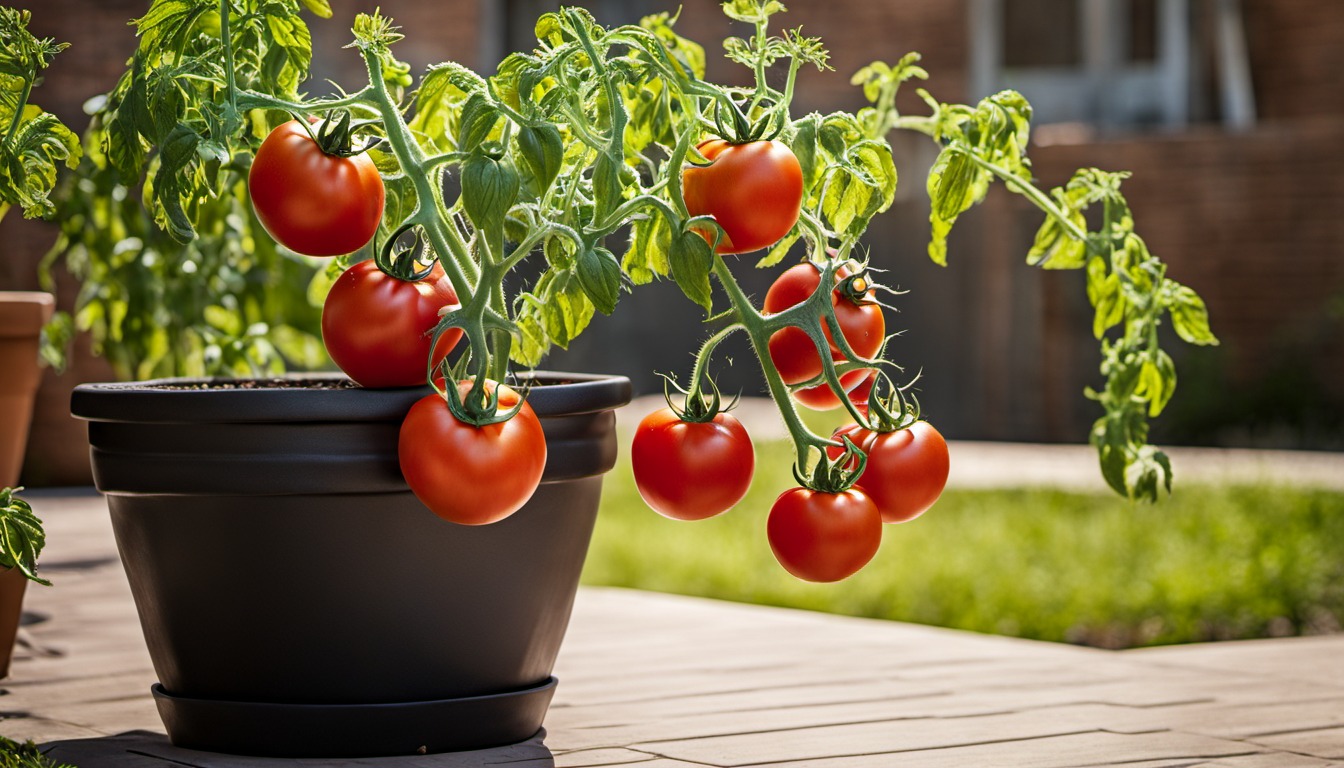
Check light and exposure
Observe actual sun across the day and place crops where their needs fit the space. A wall can reflect heat and a windy balcony can dry pots quickly. Secure trellises independently when needed and move a container only if its size and weight make that safe.
Water by checking the mix
Small volumes can dry much faster than garden beds. Feel the mix below the surface and water thoroughly when needed until excess can drain; do not let a saucer keep roots standing in water. Hot, windy periods may require more frequent checks, but a permanently soggy pot is also a problem.
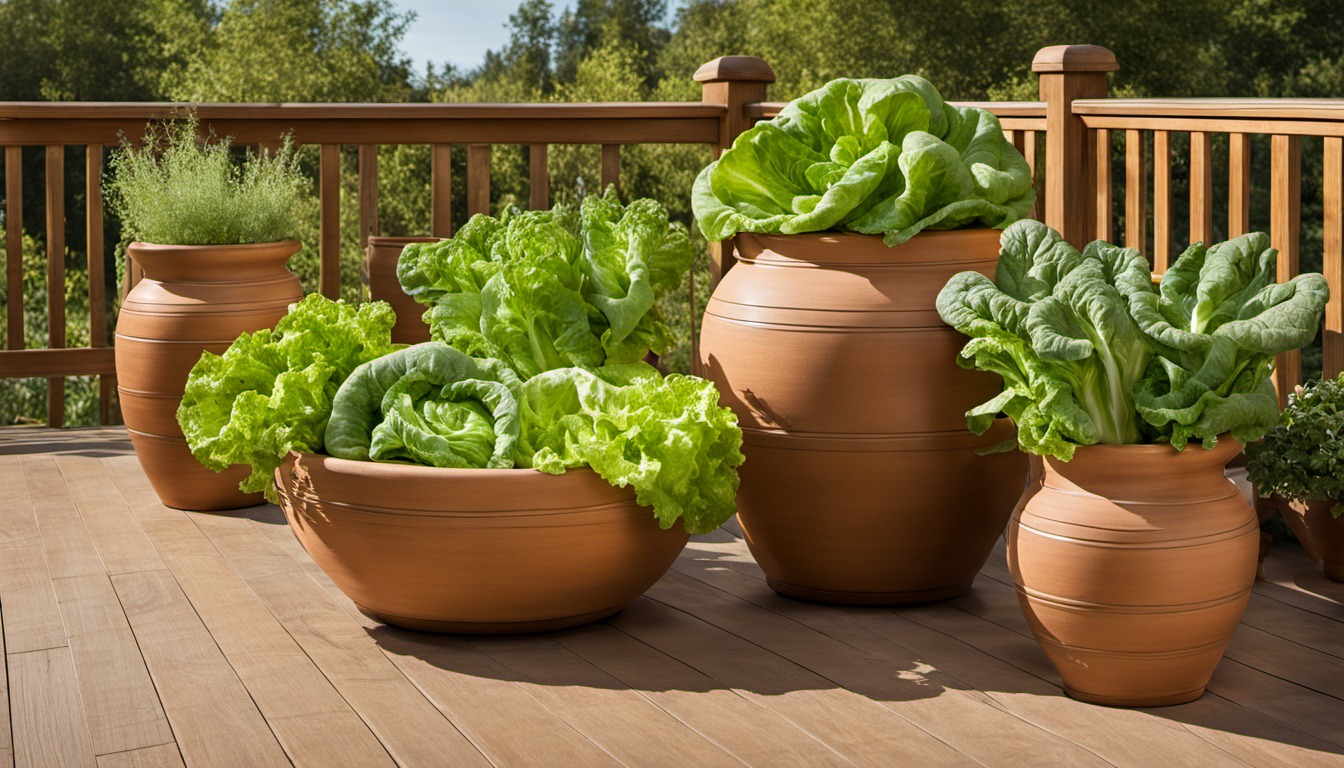
Feed and harvest thoughtfully
Container mixes can need nutrient management, but follow the product and crop guidance rather than repeatedly adding fertilizer to stressed plants. Leave enough space for air and harvest, tie supported plants loosely, and remove finished crops. Replace or refresh growing medium as appropriate before the next planting.
Example: match watering to the pot
Two containers on the same patio can dry at different rates: a small porous pot in wind may need checking sooner than a larger container shaded in the afternoon. Feel the growing mix below the surface rather than watering both solely by the clock. A saucer can protect the patio, but empty standing water so drainage holes remain effective.
If a tomato becomes top-heavy, use a stable pot and secure its support before the plant is large. A compact variety still needs adequate root volume. During a heat wave, a temporary move away from a reflected-heat wall may help if the pot can be moved safely, but check the light requirements and avoid abrupt changes that stress foliage.
When grouping pots, put plants with similar sun and moisture needs together but leave enough room for air and inspection. Check the underside of containers for blocked drainage. Before lifting a filled pot, assess its weight and use a dolly or help if needed; moving a large wet container can be difficult.