Oklahoma garden field guide
Grow Okra in an Oklahoma Summer Garden
Okra is a warm-season crop with tall plants and a steady harvest. Give it a sunny, roomy location and plan to check pods often once production begins.
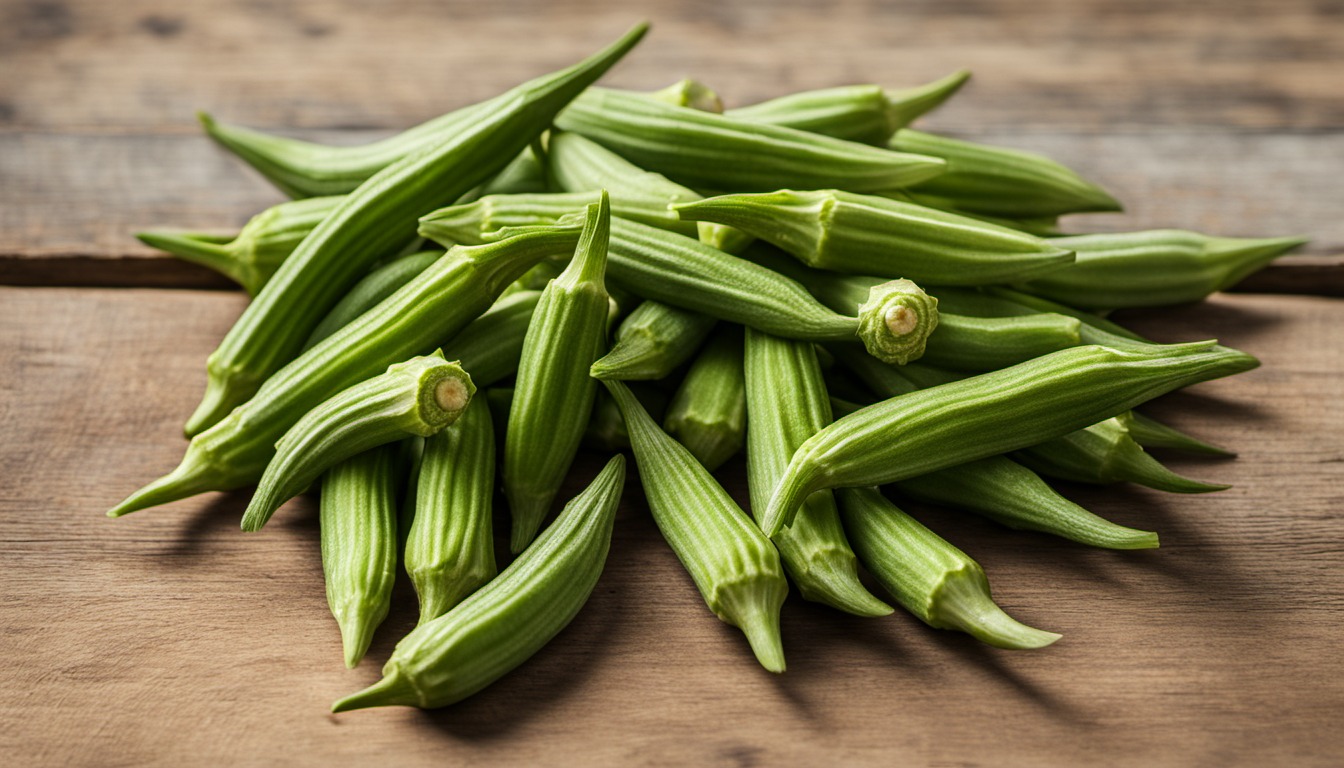
Choose the bed
Select an open, sunny location with drainage and room for the mature height of the variety. Place tall okra where it will not shade smaller crops. Check OSU’s variety list and seed packet for plant size and the harvest characteristics you prefer.
Sow in warm conditions
Use OSU’s Oklahoma garden chart for the crop’s recommended planting window and spacing. The statewide endpoints reflect different parts of Oklahoma, so use your local conditions and wait for suitable soil warmth rather than planting just because the average frost date has passed.
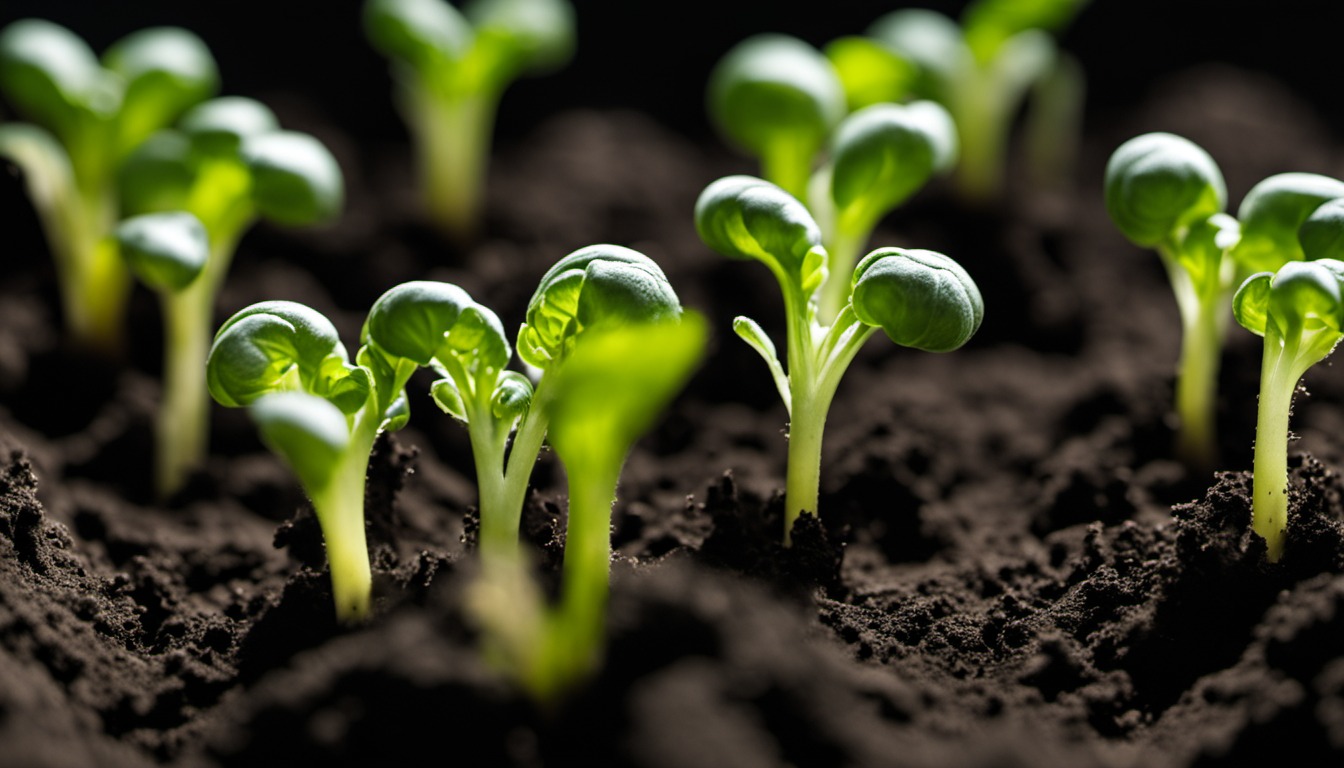
Establish a manageable row
Plant at the packet’s depth and keep the seed zone moist until emergence. Thin according to the variety’s spacing instead of allowing a crowded row to compete for light and water. A short row is easier to observe and harvest than a large planting made without a plan.
Maintain water and mulch
Once established, check the root zone in hot, windy weather and water when needed. Mulch can reduce evaporation and weeds, but keep it clear of young stems. Soil testing is a better basis for fertilizer decisions than assuming that a vigorous warm-season plant needs repeated feeding.
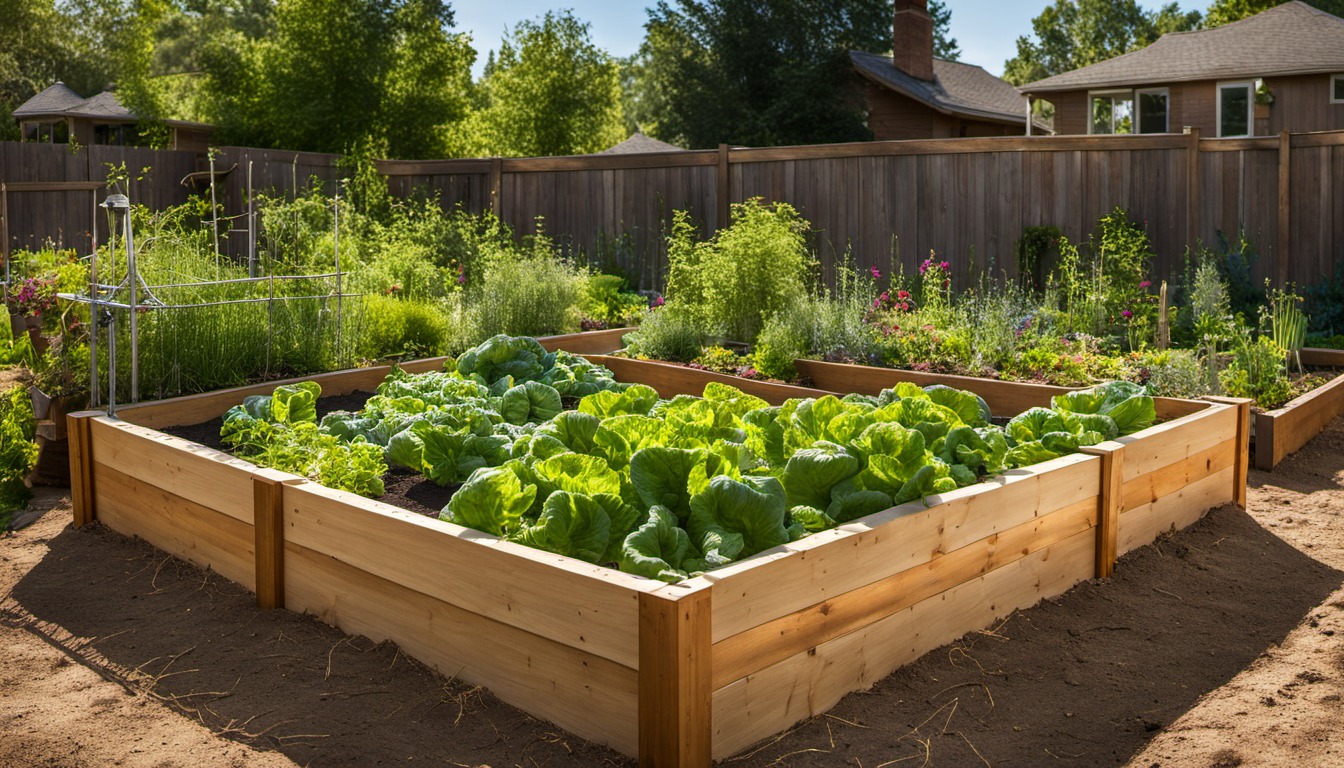
Harvest frequently
Pick pods while tender; overgrown pods become fibrous. Use a clean cutting tool and inspect plants regularly because pods grow quickly. Some varieties have irritating hairs, so wear gloves and sleeves if needed. Leave a clear path between rows to reach plants without compacting wet soil.
Example: keep a small row productive
For a first planting, reserve a short sunny row with a clear path on one side. Check the seed packet for the variety’s mature height and spacing, and place it where it will not shade shorter vegetables. Label the sowing date so you can compare emergence with the packet’s estimate. Thin rather than leaving every seedling crowded together.
Once pods appear, check often and cut them while tender. If pods are already woody, remove them and adjust the inspection interval; leaving oversized pods makes the row harder to manage. Gloves and long sleeves can make handling less irritating. At the end of the season, remove the stalks carefully and note how much space the mature plants actually used.
Check the packet for the preferred harvesting size of your variety; tenderness declines as pods mature. A clear path makes frequent cutting easier and keeps you from leaning on neighboring plants. If growth is weak, inspect light, moisture and roots before adding fertilizer or treating an unidentified pest.